
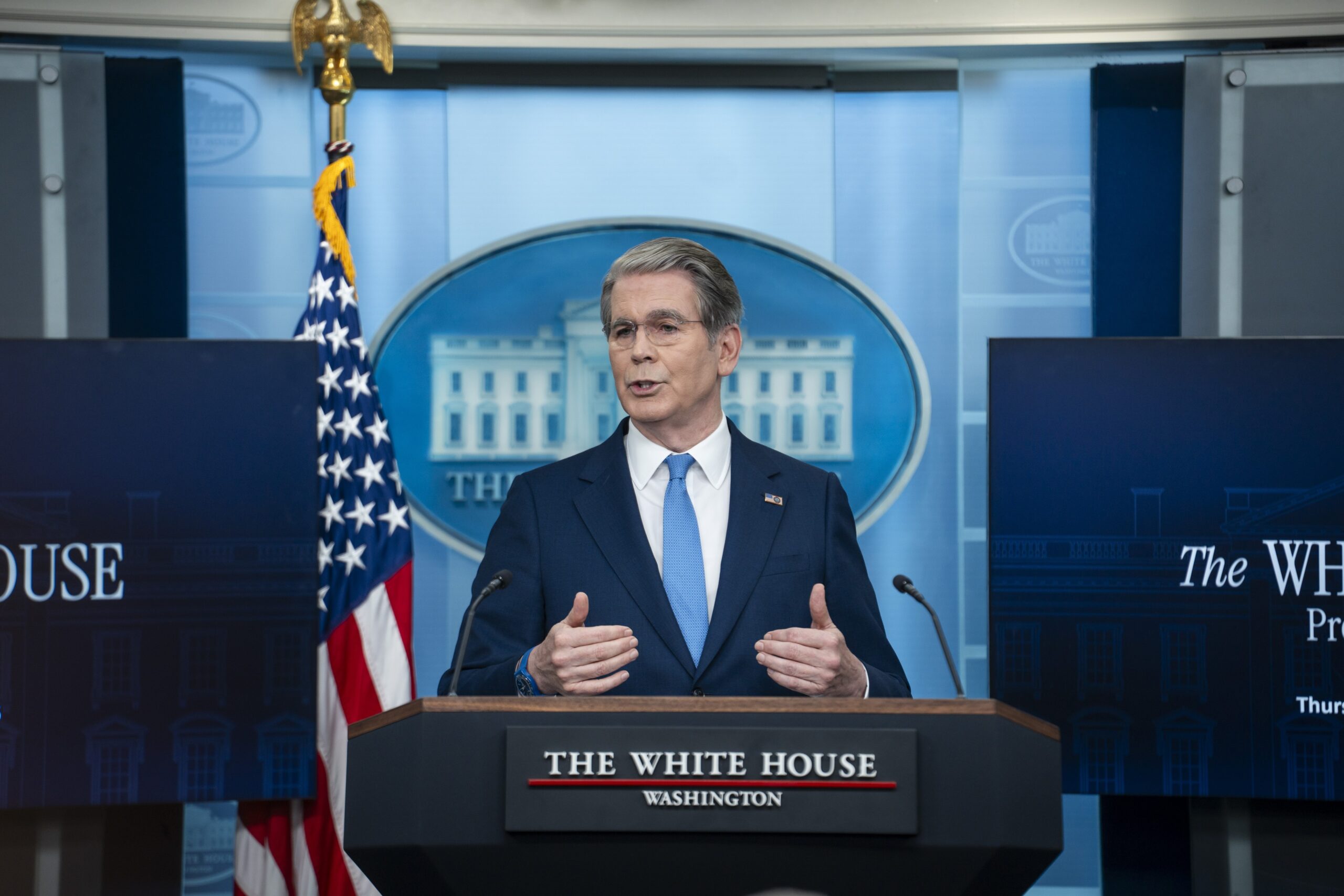
After the G20 finance ministers and central bank governors meeting, US Treasury Secretary Scott Bessent mentioned “Sanaenomics,” named after current Japanese Prime Minister Sanae Takichi, and urged the Bank of Japan to take proactive actions. With the continued depreciation of the Japanese yen, the Bank of Japan hinted at an imminent interest rate hike.
According to a report by Reuters on September 2, Bank of Japan Governor Kazuo Ueda hinted at the possibility of another interest rate hike at the policy meeting on September 17 to 18. He stated that the core inflation rate is close to the 2% policy target, and the Bank of Japan will focus on discussing whether the economic and price trends are in line with expectations, and if the upside risks to inflation are increasing. Having raised the policy interest rate five times previously, the Bank of Japan will also carefully evaluate the cumulative impact of these rate hikes on the economy.
Under the combined influence of US Treasury Secretary Bessent’s repeated statements and the Bank of Japan’s frequent hawkish signals, the market almost universally expects an interest rate hike in September. Governor Ueda did not refute this expectation.
Following the G20 finance ministers and central bank governors meeting, when asked by the media whether the Bank of Japan should continue consecutive rate hikes to stop the depreciation of the yen, Secretary Bessent expressed his anticipation that Bank of Japan Governor Ueda will make the right decision. He added, “I believe Abenomics may have reached its final chapter.”
The economic policies related to the late Japanese Prime Minister Shinzo Abe introduced in 2013 aimed to stimulate the Japanese economy through massive monetary stimulus measures and extensive fiscal spending to boost economic growth and steer Japan away from prolonged deflation.
Bessent stated that Japan has overcome deflation and transitioned to “Sanaenomics,” allowing Japan to reap the benefits of the economic policies that revitalized the economy in the past. Regarding his advice on Japan’s fiscal policy, Bessent said, “I believe they should enjoy the fruits of Abenomics and continue its development.”
In a rare joint intervention in the foreign exchange market at the end of July, Japan and the United States bought the yen to demonstrate their resolve to prevent the spread of yen-selling to global markets.
Asked by CNBC about the continued depreciation of the yen even after the US and Japan intervention, Bessent said, “I cannot influence the natural balance of the market, but what we can do is signal the market. And I have information that the market doesn’t have, and I believe the Japanese government and the Bank of Japan will take action to drive the yen stronger.”
According to the Japanese public broadcaster NHK, Erin Browne, the US Deputy Assistant Secretary for International Affairs at the Treasury, said that Bessent held talks with Japanese Finance Minister Takamizawa Taskari and Bank of Japan Governor Ueda during the G20 meeting. Bessent emphasized to both of them the importance of clearly showing the market the sustainability of fiscal policy and the trend of raising interest rates.
Izuru Kato, Chief Economist at Totan Research in Tokyo, believes that “Japan’s monetary crisis would be difficult to control without US assistance, so even raising rates every three months might be too slow.”
Charu Chanana, Chief Investment Strategist at Saxo Bank, stated that the market generally expects the Bank of Japan to raise interest rates in September. However, with the high US Treasury bond yields and rising oil prices worsening Japan’s trade conditions, the yen may need to take a more hawkish path after September, rather than just raising rates once, in order to steadily move out of the 1 USD to 160 yen range.