
Becoming a U.S. Navy pilot is a commitment to the U.S. Constitution and a vow to uphold military traditions and achievements that have been passed down for centuries. The privilege enjoyed by Navy pilots is to fly the most advanced aircraft in the world while also receiving a decent salary.
The path to becoming a Navy pilot is not easy. Before actually flying the aircraft, one must undergo years of training to become a commissioned officer in the U.S. Navy or Marine Corps. Even with the “Wings of Gold,” the primary duty of any Navy pilot is to serve as a combat officer first and then as a pilot.
While the requirements to become a Navy pilot are high, the rewards are not only an unparalleled flying experience on Earth but also a considerable compensation package.
In general, the salary cap for commercial airline pilots is higher than for military aircraft pilots. However, joining the Navy for flying duties is very attractive early in one’s career because not only is the starting salary generous, but it also includes free flight training. The Navy invests about $1 million in training for each pilot in high-performance jet aircraft; in contrast, civilian pilots often have to pay for their training, which can cost upwards of $100,000 or more before entering major airlines.
The cost of enjoying this free flight training is mandatory service. As a return for the free training received under the status of a U.S. Navy or Marine Corps officer, this service commitment is longer than other military service commitments. According to the current Navy aviation duty rules that came into effect in March 2026, fixed-wing jet aircraft pilots are required to serve on active duty for at least 8 years, while pilots of other aircraft types (such as helicopters, propeller aircraft) and Naval Flight Officers (NFOs) are required to serve on active duty for at least 6 years; the service period is counted from the official appointment as a Navy pilot.
From Ensign (O-1) rank to Commander (O-5), pilots and Naval Flight Officers (NFOs) need to alternate between flight missions (sea duty) and shore assignments (shore duty), meaning they have to carry out deployment missions lasting several months every few years. Additionally, they may have to be relocated to different bases or be away from home for temporary missions due to training, for weeks or months at a time.
Unlike Navy personnel, civilian pilots do not change work locations or types every two to three years unless they actively apply for new routes or bases.
Although the basic salary standards are the same for personnel of the same rank in the Navy, the compensation for aviation personnel also includes Aviation Incentive Pay (AvIP), commonly known as flight pay. The basic salary depends on the rank and years of service. The flight pay is also based on aviation service years and does not differ based on the aircraft type (platform) flown. The starting flight pay for new aviation personnel is approximately $150 per month and can reach up to $1,000 per month after ten years of service.
Under usual circumstances, there are no differences in basic salary or flight pay based on the aircraft type flown. Helicopter pilots and fighter pilots of the same rank and qualifications receive the same standard pay. Significant differences often appear in the mid-career retention stages. Depending on the Navy’s current personnel needs, Fighter pilots (VFA) or pilots serving in special positions may receive higher Aviation Bonus (AvB) than pilots of other aircraft types.
Here is an estimated range of monthly basic salary for typical aviation ranks:
O-1 (Ensign): $4,150 to $5,222
O-2 (Lieutenant): $4,782 to $6,618
O-3 (Lieutenant Commander): $5,535 to $7,737
O-4 (Commander): $6,294 to $8,332
O-5 (Captain): $7,295 to $9,250
Both pilots and Naval Flight Officers (NFOs) are commissioned officers who receive the same basic salary according to their rank and also receive flight pay based on aviation service years under the same standards. Additionally, officers receive tax-free Housing Allowance (BAH) and Subsistence Allowance (BAS); depending on the location, these allowances can increase the annual total income by tens of thousands of dollars.
Although the standard salaries are the same, after completing the initial service period, pilots and Naval Flight Officers may receive different amounts of Aviation Retention Bonus (AvB) based on the specific personnel requirements for each group.
Once officially completing all necessary training and joining an active squadron of the U.S. Navy, the life of a fighter pilot involves balancing tactical mastery and frontline leadership. Each officer carries a heavy responsibility, having to be both a pilot and a leader of sailors and airmen, striving for the highest level of professionalism. Apart from flight missions, every officer in the squadron must also take on a ground duty assignment.
As they advance in rank, these ground responsibilities often take up more time than flying fighter jets. Preparation for deployment on aircraft carriers, known as “work-up training period,” involves rigorous training away from home in places like Fallon, Nevada or onboard ships for several months. Operational days usually extend from 12 to 16 hours. During formal deployment, pilots may live on the carrier for nine months or more, sharing a cabin the size of a walk-in closet with one to three other pilots.
Although the work is extremely challenging, Navy pilots hold a prestigious position—it is one of the top professions in the world. Regardless of rank, landing fighter jets on the moving deck of an aircraft carrier in adverse weather conditions at night remains one of the most stressful aspects of the job. Even squadron commanders feel the pressure during “night traps” missions.
Becoming a Navy fighter pilot is the pinnacle experience in aviation, as it combines extreme physical challenges with high-risk intellectual maneuvers. Navy fighter pilots fly a variety of advanced aircraft, ranging from fifth-generation stealth fighters to specialized electronic warfare platforms.
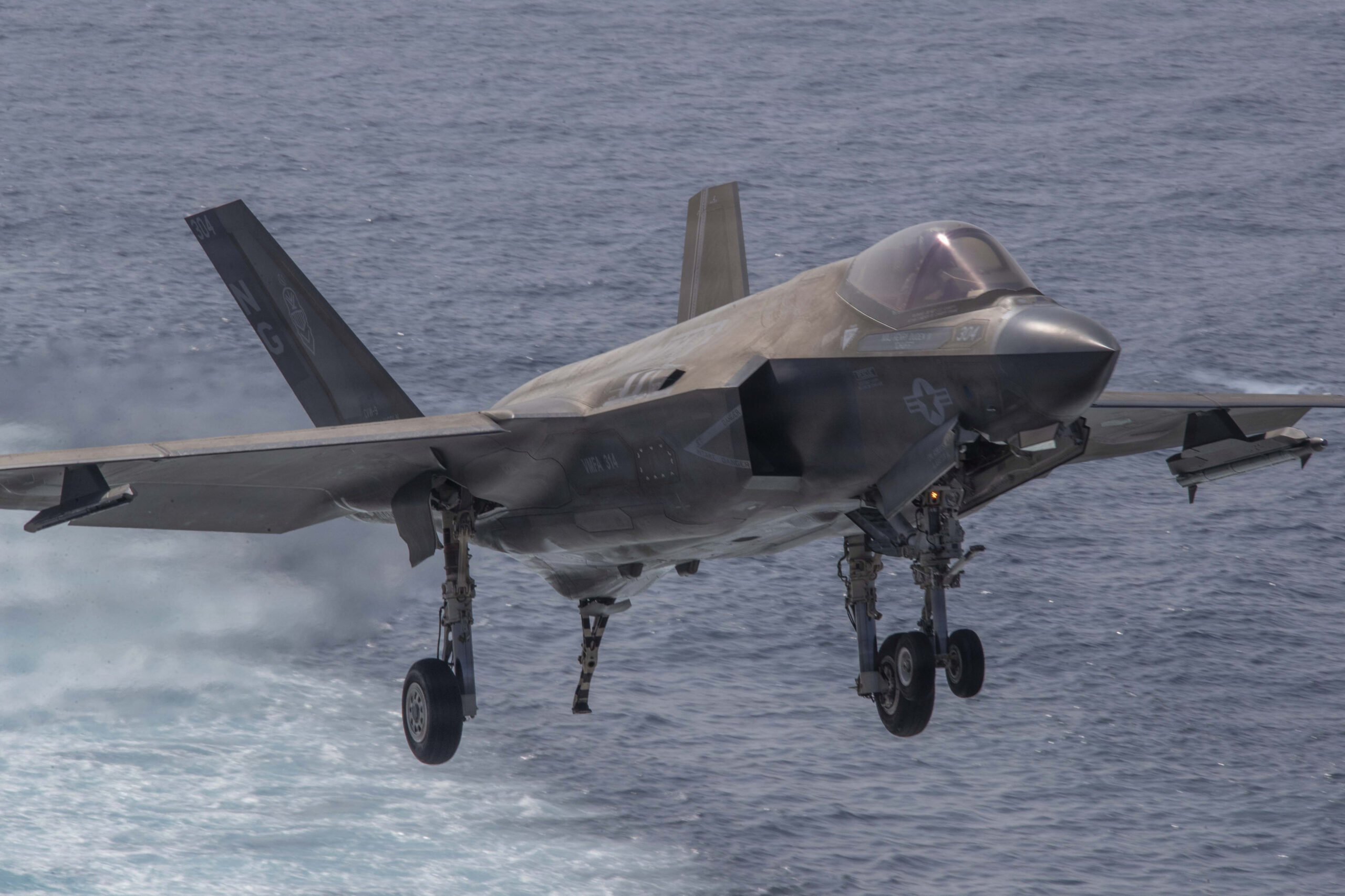
The Lockheed Martin F-35C “Lightning II” is the world’s first stealth fighter with carrier-based capabilities. The Boeing F/A-18E/F “Super Hornet,” also known as the “Rhino,” remains the backbone of the fleet as a primary multi-role attack aircraft.
Landing an F/A-18 or F-35 on the rolling deck of an aircraft carrier in the pitch-black sea is often described as a “controlled crash,” representing the pinnacle of flying professionalism. During the “catapult launch,” the fighter jet accelerates from standstill to 170 mph within two seconds, a sensation that civilian pilots never get to experience.
Additionally, there is the “TOPGUN” school, the U.S. Navy Strike Fighter Tactics Instructor (SFTI) program, an advanced training course for experienced carrier aircraft pilots. The program currently lasts about 13 weeks and is continually updated to counter emerging global threats. After graduating and receiving the iconic TOPGUN patch, pilots do not immediately head to the battlefield; instead, they return to their fleet or attend specialized weapons school to impart the latest tactics to their respective squadrons.