
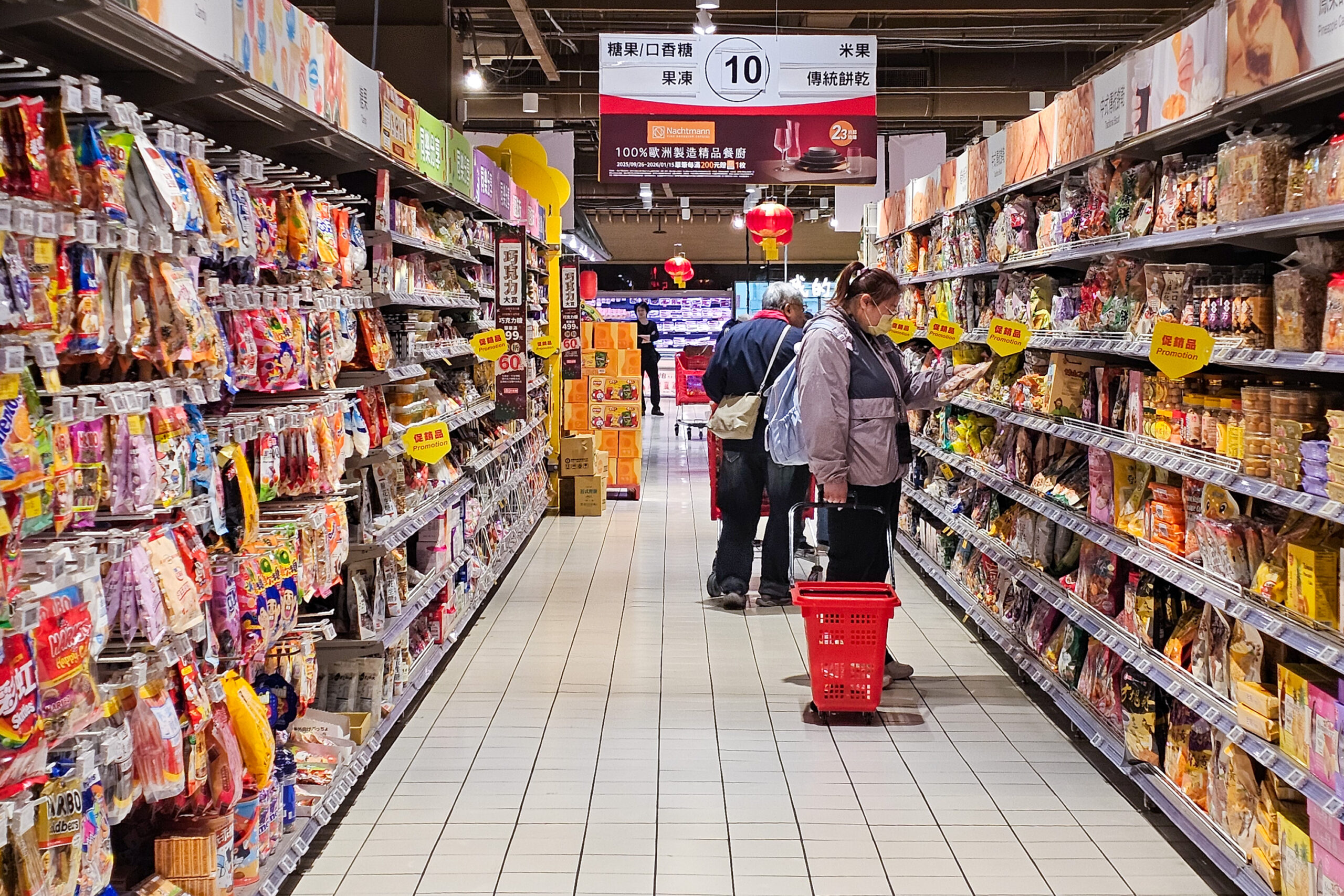
On August 9, the official figures released by the Communist Party of China for the Consumer Price Index (CPI) and the Producer Price Index (PPI) in July showed a decrease in the year-on-year growth rates for both indices. Some analysts believe that the minimal increase in CPI indicates that residents’ overall consumption willingness and purchasing power remain cautious, indicating insufficient domestic demand.
According to the National Bureau of Statistics of China, in July 2026, the Consumer Price Index increased by 0.5% compared to the same month last year. The urban CPI rose by 0.5%, while the rural CPI increased by 0.4%. Food prices decreased by 1.5%, non-food prices rose by 0.9%, consumer goods prices increased by 0.2%, and service prices rose by 0.7%. On average from January to July, the national CPI rose by 0.9% compared to the same period last year.
Additionally, in July, the national Consumer Price Index decreased by 0.1% compared to the previous month. On the other hand, the national Producer Price Index increased by 3.5% year-on-year in July 2026, but it decreased by 0.7% compared to the previous month. The purchasing prices of industrial producers increased by 5.5% year-on-year and decreased by 1.0% month-on-month. On average from January to July, the producer prices rose by 1.8% year-on-year, and the purchasing prices rose by 2.8%.
The Chief Statistician of the National Bureau of Statistics Urban Department, Dong Lijuan, interpreted the July 2026 CPI and PPI data. Dong stated that the overall CPI remained modestly rising, while the PPI fell by 0.6 percentage points compared to the previous month due to factors such as imports and seasonality. The significant decrease in the prices of five industries, namely electricity and thermal power production and supply, automobile manufacturing, non-metallic mineral products, pharmaceutical manufacturing, and the production of alcoholic beverages and refined tea, contributed to a 0.76 percentage point decline in the year-on-year PPI.
In a report by “First Financial” on the same day, it was indicated that the July CPI saw a decrease on a monthly basis and a slowdown in the year-on-year growth rate, while the PPI also decreased monthly, with a slower year-on-year increase.
According to an analysis by member of the China Chief Economists Forum Pang Ming, the moderate increase in CPI primarily stemmed from the support in service prices. In terms of structure, food and non-food items exhibited a counterbalancing adjustment effect. Factors such as summer heatwaves and localized heavy rains raised the production and storage costs of some fresh agricultural products, supporting food prices for a certain period. In the service consumption sector, with the full-scale development of summer travel and cultural tourism markets, prices related to transportation, accommodation, etc., showed a seasonal increase, effectively offsetting the downward pressure brought about by the continued adjustments in the prices of durable consumer goods.
However, some perspectives suggest that although the CPI is rising, the core CPI, which excludes food and energy prices, remains relatively low. This indicates that residents’ overall consumption willingness and purchasing power continue to be cautious, pointing to insufficient domestic demand.
Furthermore, the fact that the PPI growth rate remains higher than the CPI growth rate signifies that the speed of price increases from the factory end is faster than at the retail end. Businesses are unable to fully pass on the increased production costs to consumers, and midstream and downstream businesses, especially small and medium-sized enterprises, still face the pressure of high costs and hesitancy to raise prices.
The Consumer Price Index (CPI) measures the relative changes in the price levels of goods and services consumed by residents over time, reflecting the overall dynamics of the price levels of goods and services purchased by residents.