
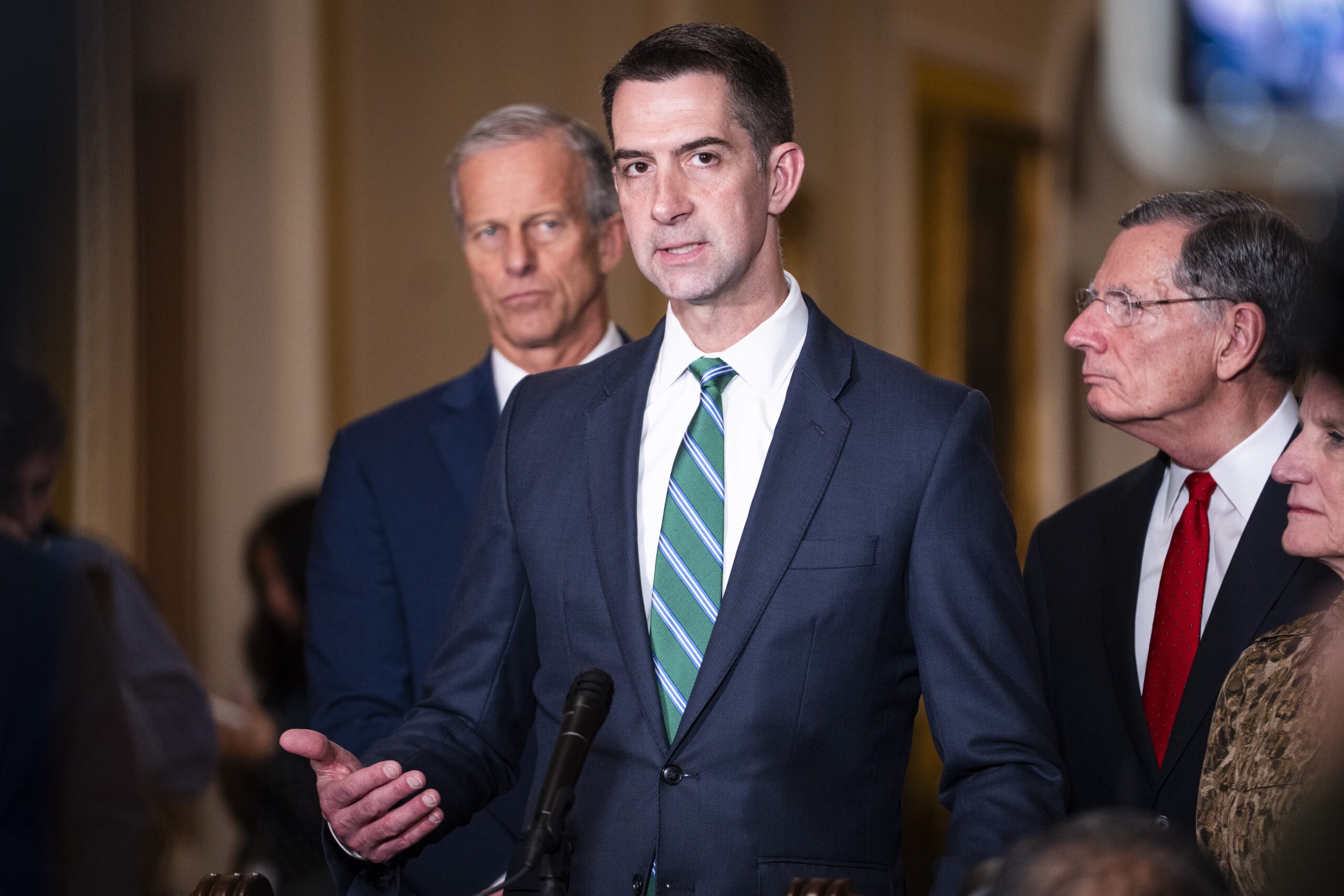
This summer, a batch of sensitive F-35 fighter jet parts being transported from Australia to the United States for maintenance mysteriously ended up being diverted to Hong Kong en route, continuing to draw attention. The Chairman of the United States Senate Intelligence Committee, Tom Cotton, sent a letter to Secretary of War Pete Hegseth on Tuesday requesting the Department of War to review the security of military equipment transportation.
In the letter, the senior senator stated that recent reports revealed that a shipment of F-35 fighter jet components destined for the United States from Australia was rerouted to Hong Kong. Lockheed Martin, responsible for managing the F-35 supply chain, was using commercial carriers to transport these parts at the time. Shockingly, it was reported that the communist government of China had obtained these parts and has yet to return them.
“We cannot allow loopholes in commercial transportation to result in American military equipment falling into the hands of foreign adversaries,” he said. “The Department of War heavily relies on contractors and commercial carriers to transport military equipment, replacement parts, and essential supplies worldwide. While these arrangements indeed make transportation more convenient and expedient, these advantages should not come at the cost of sacrificing America’s military advantage.”
Cotton believes that not only sensitive parts but even general military components should not be allowed to be acquired by adversaries.
“Classified and sensitive components should indeed receive stricter protection, but any U.S. military supplies could provide valuable information to adversaries about American weapon systems, logistics, and readiness, and even offer the opportunity to come into contact with U.S. military forces,” he said. “Given the complexity of these global supply chains, prioritizing national security at every step is crucial.”
In the letter, Cotton requested the Department of War to review: (1) requirements for custody transfers when military equipment and supplies are transported by contractors and commercial carriers; (2) the Department of War’s ability to track the location and transportation routes of these goods; (3) procedures for approving and notifying of changes in transport routes; (4) standards for goods passing through foreign jurisdictions; and (5) security measures to prevent military supplies from transiting through China and other jurisdictions controlled by adversaries or being rerouted to these areas.
The Pentagon’s F-35 Joint Program Office recently stated in a release that they were aware of issues with a shipment of F-35 components during transportation and are investigating and taking measures to prevent similar incidents from occurring.
This incident has also caught the attention of other senators. According to Politico, Chairman of the Senate Armed Services Committee’s Subcommittee on Air and Land Forces, Republican Senator Kevin Cramer, overseeing the F-35 project, said he is awaiting more information and noted, “Whenever China (Communist Party) gets their hands on anything that could give them information they shouldn’t have, we are highly concerned.”
Chief Democratic Senator of the subcommittee, Mark Kelly, remarked, “This is our most advanced fighter jet, and we absolutely do not want parts falling into the hands of adversaries.”