
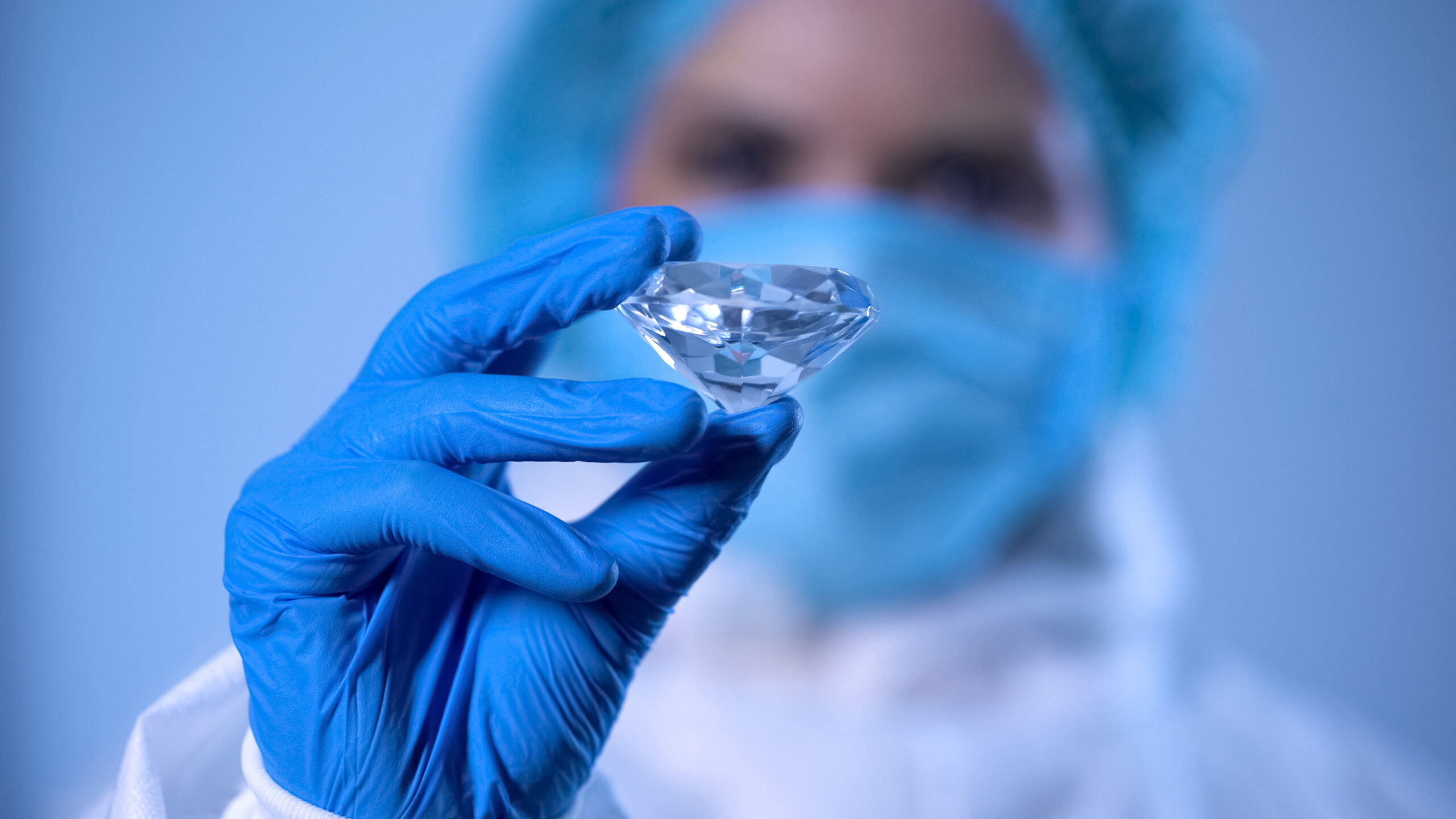
In recent years, the value of natural diamonds has plummeted by more than half due to the rise of lab-grown diamonds and excessive diamond mining. The brilliance of diamonds has significantly diminished, and the market is facing challenging times.
According to a report from CNBC, data from the diamond trading platform Rapaport Group shows that the average selling price of a 1-carat diamond is currently $3,898, down 51% from the average price of $8,007 in 2021. The Diamond Standard Index, which tracks the prices of so-called “investment-grade” diamonds, hit a historic low of 2,490 points in early August.
Several factors are contributing to the unfavorable conditions in the diamond market, including the oversupply of mined diamonds that have flooded the market in recent years. Despite efforts in the industry to absorb this excess inventory, another trend exacerbating the issue is the increasing popularity of lab-grown diamonds.
“People are generally pessimistic about the prospects of natural diamonds,” said Cormac Kinney, CEO of Diamond Standard, to CNBC. “The overproduction during the pandemic in 2023 and 2024 led to significant inventory pile-ups, coupled with a decline in sales due to the impact of lab-grown diamonds, further worsening the situation.”
Lab-grown diamonds are created either through high-temperature and high-pressure treatment of carbon crystal seeds or by utilizing carbon-containing gases in a vacuum chamber. While they are cultivated on the surface of the Earth, their chemical and physical properties are identical to natural diamonds formed deep within the earth.
The main difference between the two lies in the pricing. A search on Brilliant Earth’s online platform shows that a nearly colorless, VVS clarity, and excellent cut lab-grown diamond is priced at only $450, whereas a natural diamond with similar specifications ranges between $2,800 to $3,200. This significant price difference is primarily due to the high resource consumption involved in the natural diamond mining process, which requires substantial fuel and manpower inputs.
Brilliant Earth claims that regardless of carat weight, lab-grown diamonds are priced lower than natural diamonds. The price of lab-created diamonds can be up to 90% lower than naturally mined diamonds of equivalent specifications, with the actual price difference depending on the diamond’s size, cut, and color.
This trend has led budget-conscious consumers to opt for the more affordable lab-created diamonds for engagement rings and fashion jewelry, adding pressure on the prices of natural diamonds. According to The Knot’s “2026 Real Weddings Study,” in 2025, lab-grown diamond center stones accounted for 61% of all engagement ring sales, marking a 239% increase from 2020.
Furthermore, Fortune Business Insights predicts that by 2034, the market size for lab-grown diamonds will grow to nearly $92 billion, representing a growth of over 200% from $29.46 billion in 2025.
Cory Schifter, the owner of Casale Jewelers, mentioned to CNBC, “Lab-grown diamonds allow people to consume according to their preferences and obtain their desired products without the need to artificially enhance a 1-carat diamond to look like a 3-carat one by surrounding it with smaller stones (known as ‘halo’ setting). They can redirect the funds saved from purchasing a 5-carat natural diamond and use it for wedding preparations or housing, freely managing the money.”
The shift towards lab-grown diamond alternatives may further suppress the prices of natural diamonds. However, the natural diamond industry has taken note of this trend and begun implementing measures to boost the depressed diamond prices. The De Beers Group, under Anglo American, focuses on diamond mining, sorting, and grading. The company announced in July the temporary halt of production at its flagship Venetia mine in South Africa for over two years to restrict supply and potentially drive up prices. Meanwhile, at least two diamond mines have announced permanent closures in 2026.
It remains unclear whether the moves by industry giants can stem the decline in the natural diamond market, but one thing is evident: lab-grown diamonds have become a prevailing trend and are likely to continue existing.
Data from Gordon Brothers, a global investment firm, shows that the profit margin for lab-grown diamonds typically ranges between 60% to 65%, higher than the 40% to 45% profit margin for natural diamonds.
A jeweler from Casale Jewelers advised CNBC, “You shouldn’t buy diamonds with an investment mindset. It’s better to invest your money in silver or even the S&P 500 index.”
Diamonds are often challenging to invest in due to the lack of a standardized spot market. Each diamond is unique, making valuation on a comparable basis difficult.
The diamond market also faces liquidity issues. According to a report released in February 2026 by the gemstone trading platform CaratX, a diamond may take over a year to sell on the secondary market depending on its quality. Moreover, even if a final sale is made, the selling price often falls below half of its original retail price.