
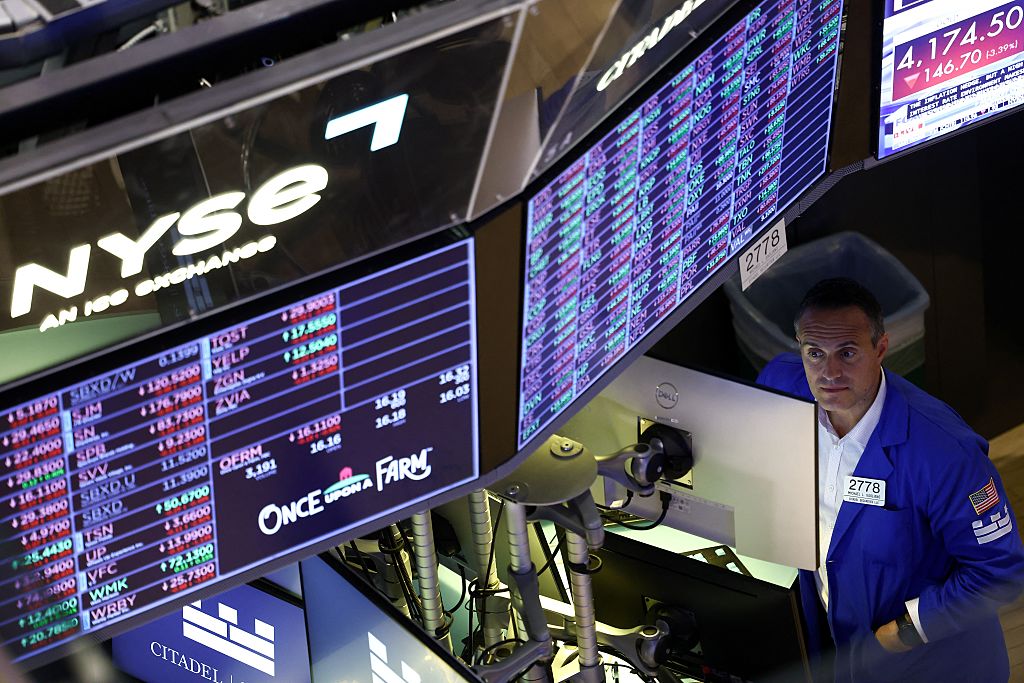
On Monday (September 28), all sectors of the US stock market experienced a decline, as rising oil prices and increasing US bond yields collectively weighed down American stocks. The Dow Jones Industrial Average fell by 347 points, a decrease of 0.67%; the S&P 500 Index dropped by 0.77%, marking its largest single-day decline since August 20; and the Nasdaq Composite Index slumped by 0.92%. Meanwhile, the 10-year US bond yield briefly surpassed 5.25%, reaching its highest level since 2007.
Following the rejection by the US government of a proposal put forth by Iran, international oil prices rose by over $4 per barrel on Monday. However, as Qatar continues to mediate talks between the US and Iran, oil prices later retreated most of their gains. US crude oil eventually closed at $92.60 per barrel, while Brent crude closed at $105.28 per barrel.
The increase in oil prices reignited concerns in the market about inflation, putting pressure on the bond market. The 10-year US bond yield rose to 5.251%, touching the highest level since June 2007, while the 30-year yield climbed to levels not seen since 2004.
According to a report by Reuters, Jack Ablin, Chief Investment Officer at Cresset Capital Management in Chicago, mentioned that a clear transmission chain has formed in the market: the situation in Iran affects oil prices, which in turn impact inflation, leading to changes in interest rates.
The Federal Reserve recently raised interest rates by 25 basis points this month, marking the first hike since 2023. With oil prices rising again, market expectations for the next rate hike have clearly increased.
CME FedWatch data indicates that the market anticipates a probability of around 70% for the Fed to raise interest rates by at least 25 basis points in October, up from about 58% a week ago and less than 18% a month ago.
In terms of individual stocks, Boeing plummeted by 6.9%. The Federal Aviation Administration (FAA) stated that newly discovered software issues will delay the certification of the 737 MAX 10.
On the other hand, Nvidia rose by approximately 1.7% against the market trend. The company announced a record $150 billion stock repurchase program, becoming a highlight among major tech stocks that day.
Next, market focus will shift to the inflation and employment data set to be released this week, with the US nonfarm payroll report for September scheduled for Friday. Nonfarm data reflects changes in employment positions outside of agriculture and serves as an essential indicator to measure the status of the US job market. These figures will provide crucial clues for assessing the Federal Reserve’s next steps in interest rate policy.