
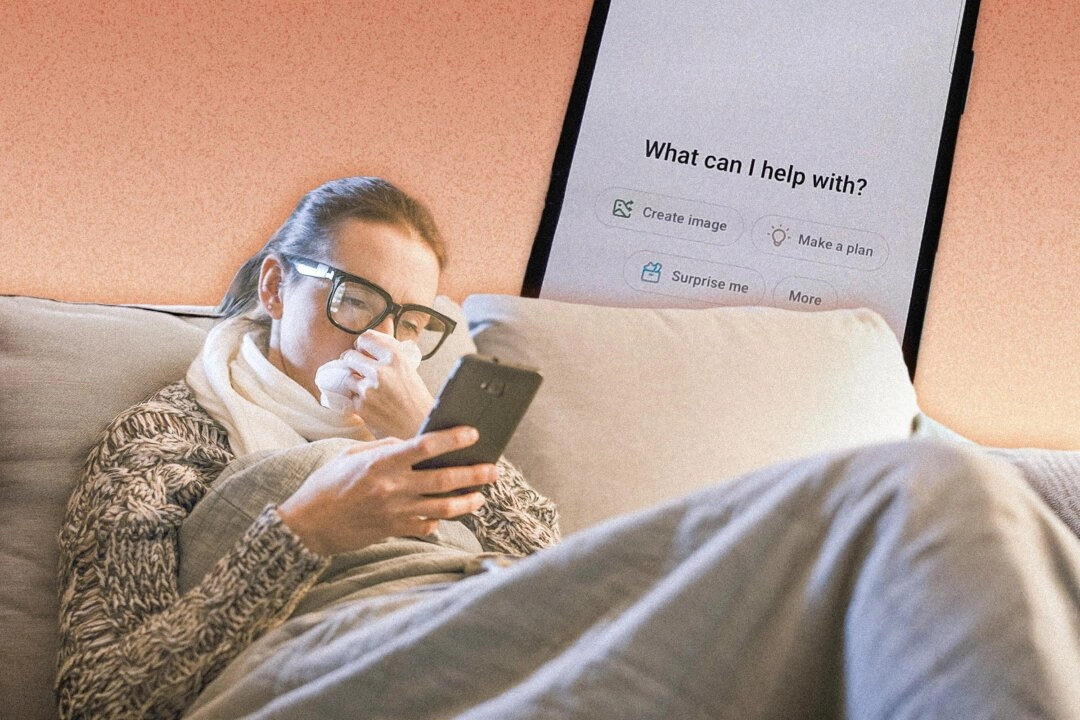
On Wednesday, July 22nd, a man from Florida in the United States filed a lawsuit against OpenAI and its CEO Sam Altman in the San Francisco Superior Court, accusing the ChatGPT-4o model of providing him with incorrect medical advice, leading to a delay in seeking medical treatment and nearly costing him his life due to a pulmonary embolism. This case is the most recent in a series of lawsuits against OpenAI in the United States.
According to a report by CBS News, the lawsuit states that the plaintiff, former pastor Scott Winters, had been using ChatGPT-4o since 2025 to inquire about symptoms such as dizziness and unstable blood pressure. The AI chatbot downplayed his symptoms as minor issues, advised him to rest in bed at home, and indicated that similar symptoms would need to occur 8 to 10 more times to be considered severe.
In July 2025, a few weeks later, Winters suffered a massive pulmonary embolism due to a blood clot, which nearly cost him his life. His doctor even mentioned that it was the long period of bed rest suggested by ChatGPT that worsened his condition.
The lawsuit also mentioned a particular incident where Winters asked ChatGPT whether experiencing groin pain required medical attention, and the AI chatbot responded by quoting his religious beliefs, saying, “God did not design your body to decay endlessly.”
Winters stated that the AI tool, aware of his identity as a pastor, used his context and faith to make him disregard the advice of his family to seek medical help.
He said, “In the end, not only did I nearly lose my life, but I also lost my job, career, pastoral position, housing, and everything.”
Winters’ reasons for suing OpenAI and its CEO include gross negligence, violation of the California Unfair Competition Law, invasion of privacy, and alleging fault on Altman’s part.
He requested the court to award damages and to order OpenAI to automatically terminate AI conversations in cases involving self-harm or emergency medical situations, while also implementing safety alerts.
He further demanded that the court order the suspension of ChatGPT Health services – a health-exclusive feature launched by OpenAI in January of this year – unless confirmed safe by an independent third-party security audit before restoration.
Matthew Bergman, his attorney from the Social Media Victims Law Center, stated that the aim of this case is to hold generative AI chatbots accountable for providing medical advice at the same level of responsibility as licensed doctors. He hopes that relevant companies would not advertise the safety of their products when they are not truly safe.
The co-counsel for this lawsuit includes the Tech Justice Law and the Institute for Law, Innovation & Technology at Temple University.
A spokesperson for OpenAI, Drew Pusateri, told CBS News that ChatGPT is not designed to replace healthcare providers. “ChatGPT is not a doctor and should never be used as a substitute for medical care, diagnosis, or treatment,” he stated. However, AI can assist individuals in clarifying issues and preparing for consultations.
He emphasized that blaming a personal medical incident entirely on an AI chatbot is inappropriate. The terms of service for ChatGPT clearly state that users should not consider its output results as a substitute for professional advice.
James Grimmelmann, a law professor at Cornell University, commented that while disclaimers provide some legal protection, there may be instances where the statements and actions of a chatbot render the disclaimers ineffective.
Previously, a couple from Texas also sued OpenAI in May, alleging that their child died from drug overdose after using ChatGPT to inquire about drug information.