
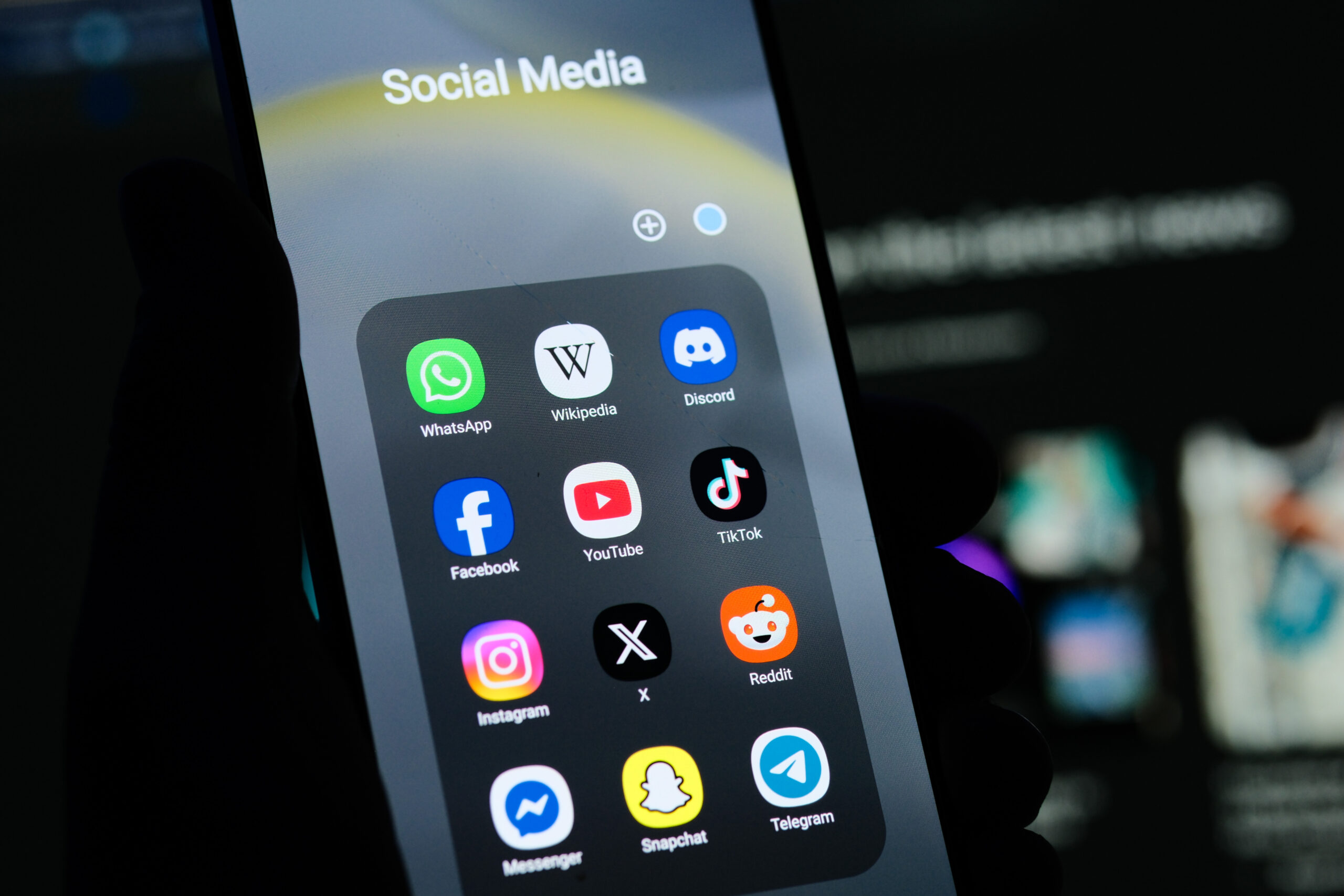
The US Federal Ninth Circuit Court of Appeals ruled on Monday (August 10) to reject Meta and TikTok’s attempt to halt the progress of related lawsuits, allowing the thousands of lawsuits against tech companies such as Meta, Google, TikTok, and Snapchat to continue. These cases accuse social media companies of intentionally designing platforms to be addictive, harming the physical and mental health of children and adolescents.
At the same time, the court also rejected Meta’s request to postpone the trial scheduled for this Wednesday (August 12).
The core of this legal battle lies in Section 230 of the Communications Decency Act of 1996 in the United States. This provision has long protected online platforms from legal responsibility for content posted by users, making it an important legal defense for tech companies.
Meta and TikTok argued that the protection of Section 230 should also apply to lawsuits regarding platform design and believed that appeals should not wait until the end of the entire lawsuit to be raised. However, a panel of three judges did not accept this argument.
Judge Jacqueline Nguyen stated in the ruling, “Section 230 only provides a defense against legal liability, not immunity from being sued.”
The court therefore determined that it was premature to file this appeal before the final judgment was made in the case, and at this stage, it did not have appellate jurisdiction, thus rejecting the appeal.
This decision allows thousands of related lawsuits to move forward. Currently, tech companies are facing over 3,000 related lawsuits in federal courts; additionally, approximately 3,300 similar cases are being consolidated in California state courts.
Plaintiffs include multiple state governments, local governments, school districts, and individual families, accusing social media companies of intentionally creating addictive products that have contributed to the worsening mental health crisis among American youth in recent years.
With Meta’s request for a trial postponement being rejected, the cases brought by attorneys general from 29 states will proceed as scheduled on Wednesday. The plaintiffs allege that Meta unlawfully collected and utilized children’s data, designed platforms to keep young users addicted, and misled consumers on platform security issues. Furthermore, related cases brought by school districts are expected to go to trial in February next year.
Lawyers representing thousands of school districts and individual plaintiffs, Lexi Hazam and Previn Warren, stated, “It is only through trial that the public can learn when Meta knew about the impact of its products on children, to what extent it was informed, and how it chose to respond after obtaining this information.”
They added, “Meta has been trying to prevent this evidence from being made public.”
Major tech companies have recently faced a series of unfavorable rulings.
In March of this year, a Los Angeles jury found Meta and Google negligent in the design of their social media platforms in a highly-publicized case, awarding a 20-year-old woman $6 million. The woman claimed she had been addicted to Instagram and YouTube since childhood.
Meta also lost in two phases of a lawsuit in New Mexico recently.
The jury previously determined that Meta had misled consumers on platform security issues, ordering it to pay $375 million; subsequently, a judge found Meta guilty of “public nuisance,” ordering the company to pay $567 million to a youth mental health fund and implement youth safety measures. The total amount involved in the two judgments is $942 million.
These legal developments in the United States come at a time when global concerns about online safety for minors continue to rise, with countries around the world strengthening regulations on social media platforms.
France plans to prohibit minors under 15 from using social media starting next month and to prohibit high school students from using phones at school.
Australia has implemented the world’s first ban on children under 16 using social media, requiring major social platforms to prevent users under 16 from accessing their services, with companies that fail to comply facing fines of up to AUD 49.5 million (approximately $35 million USD). The UK also plans to take similar measures next year.
In response to the allegations, both Meta and Google have denied any wrongdoing and stated their plans to appeal.