
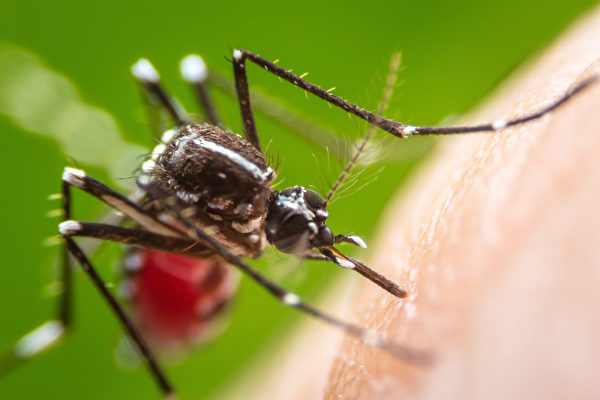
Los Angeles County Health Department recently reported that there have been 100 confirmed cases of West Nile virus infection in the area so far this year, marking the highest number of cases in the early stages of the active mosquito season (June to November) in nearly 10 years. The cases are spread throughout Los Angeles County, with 5 reported deaths. The health department is urging the public to protect themselves from mosquito bites.
The county health department stated that almost all the cases reported this year have been severe, requiring hospitalization for the patients. Severe cases indicate that this virus can affect the brain and spinal cord. The department estimates that there are many more individuals with milder symptoms that have not been diagnosed and therefore not included in the reported data.
West Nile virus is the most common mosquito-borne disease among Los Angeles County residents, reported annually as a localized epidemic. The increased mosquito activity and longer activity period this year have exacerbated the situation.
Susanne Kluh, the General Manager of the Greater Los Angeles Vector Control District, mentioned that the frequent rainfall earlier in the year, coupled with unusually high temperatures during breaks in the downpours, shortened the mosquito breeding cycle, resulting in increased mosquito activity. Public information officers from the Orange County Vector Control District stated in March that mosquito activity in the area was five times higher than in previous years.
This year, the coastal areas of Southern California experienced the most humid summer in decades, along with rare high temperatures. In early September, Southern California even saw the most severe humid weather in history. According to a study from the US National Library of Medicine, increased relative humidity significantly extends the lifespan, egg-laying capacity, or activity intensity of female mosquitoes.
Dr. Muntu Davis, an official from the Los Angeles County Health Department, mentioned that West Nile virus can cause severe illness, and the number of severe cases and deaths this year is concerning. He emphasized that the area is still experiencing a high peak in virus transmission, and every resident must take measures to protect themselves and their families.
The health department stated in a press release that after infection with West Nile virus, most people show no symptoms, while about 20% of infected individuals may experience symptoms like fever, headache, body and joint pain, vomiting, diarrhea, rash, etc.
Approximately 1 in 150 individuals will develop severe symptoms, such as high fever, stiff neck, confusion, muscle weakness, or paralysis, usually occurring 3 to 14 days after infection. The health department recommends seeking immediate medical attention if symptoms are severe.
Currently, the public health departments are collaborating with local vector control agencies to assess the risk of West Nile virus infection and provide information to residents in an effort to control the spread.
Avoiding mosquito bites remains the primary measure to prevent West Nile virus. The health department advises wearing loose-fitting long-sleeved shirts and pants when outdoors to cover the skin, being extra cautious during dawn and dusk when mosquitoes that transmit West Nile virus are most active.
1. Use insect repellent to prevent mosquito bites. Use repellents registered with the US Environmental Protection Agency (EPA) containing DEET, picaridin, IR3535, 2-undecanone, and oil of lemon eucalyptus, which are long-lasting and effective.
2. Prevent mosquitoes from entering the home. Ensure doors and windows have tight-fitting screens. If there are damages or holes, repair or replace the screens promptly.
3. Clean water-holding containers indoors and outdoors weekly. Mosquito eggs only need a small amount of water to hatch. Remove standing water in containers like indoor and outdoor flower pots, trays, bird baths, etc., to prevent mosquitoes from breeding. Dispose of old items in the yard or on the patio that could collect water, seal water storage containers properly, and clean out stagnant water in pools.
“Taking these small measures can have a significant impact in preventing diseases,” Davis said.