
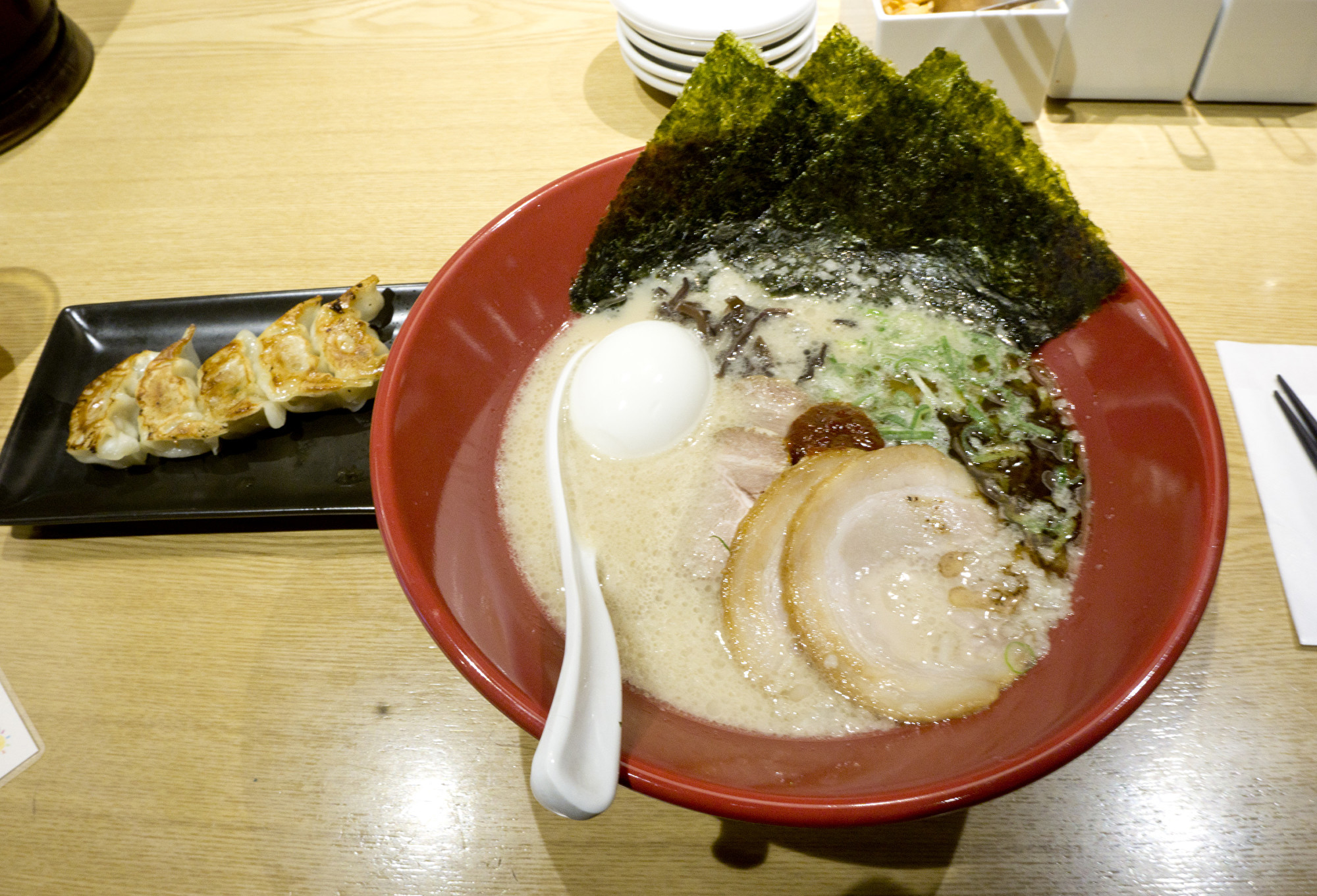
Over the past century, ramen has crossed Asia and become popular worldwide. Despite the various styles of ramen, the noodles served in restaurants are typically characterized by rich broth simmered for a long time, paired with wheat noodles made with “kansui,” an alkaline solution that gives the noodles a unique firm texture.
Some people confuse ramen with instant noodles. In 2024, the global consumption of instant noodles was about 12.31 billion servings. However, the packaged noodles commonly found in college dorms are distinct from the gourmet ramen dishes meticulously prepared by chefs around the world today.
Wherever you enjoy a steaming bowl of ramen, certain dining etiquette should be followed, especially in Japan. “Omotenashi,” the spirit of hospitality, is central to Japanese culture, focusing on anticipating and fulfilling guests’ needs; in return, expressing gratitude to the hosts is seen as a form of respect.
However, many American tourists are unfamiliar with the proper etiquette for eating ramen. Here are 10 commonly overlooked rules when eating ramen, adhering to these etiquettes not only shows respect to the restaurant and chefs but also helps you seamlessly blend into the local dining atmosphere.
Before placing your order, there are some basic etiquette to follow when wanting to be seated.
One common mistake made by American tourists is saving a spot in line for companions while queuing to enter the restaurant, a mistake that often happens within the first 10 minutes of arrival.
Many popular ramen shops have long queues outside, and leaving the line to reunite with companions at the entrance is generally considered impolite. Additionally, noisy behavior while queuing is unwelcome since many restaurants are located in residential areas, excessive noise may disturb nearby residents.
Many Japanese ramen shops still only accept cash, so it is essential to withdraw cash from an ATM before dining out, as card payments may not be accepted.
Upon entering some narrow small shops, you may first encounter a self-service ordering machine, which typically only accepts cash. Even if there is a server to take orders, small ramen establishments often do not accept card payments to avoid credit card fees.
Additionally, some older customers are more accustomed to using cash. It is advisable to be prepared and carry cash.
Once inside the restaurant, what should you do next? After finding a seat, be mindful not to occupy too much space since ramen shops’ dining areas are usually narrow. Pay attention to whether there are hooks or shelves under the counter to place personal items and ensure they do not obstruct others.
Another easily overlooked etiquette mistake is occupying two seats with a single bowl of ramen. With limited space in ramen shops, seats are often in high demand. If you feel you cannot finish a full serving of ramen, consider asking if a smaller portion is available.
Another common habit is immediately taking photos of the food and surrounding environment. In many ramen shops, this is generally frowned upon. While photographing food itself is usually acceptable, some ramen shops prohibit photography inside.
If photography is allowed, aim the camera at the food rather than other diners or staff. If you insist on photographing others, politely ask for permission; if they decline, respect their wishes.
If you have long hair, be prepared with hair ties. Some ramen shops may even provide hair ties for customers.
Whether for hygiene considerations or a better dining experience, letting long hair fall into the bowl is certainly unacceptable.
Upon receiving your ramen, refrain from immediately adding seasoning. Many ramen chefs spend years perfecting their recipes, and the meticulously crafted and rich broth is often their lifelong pursuit.
Tasting the broth first is a way to respect and appreciate the original flavor of the dish. “Japanese Soba Noodles Tsuta” in Tokyo even became the first ramen shop to receive a Michelin star.
After tasting the broth, if necessary, you can add seasonings according to your taste.
You will typically be provided with chopsticks and a ladle called “renge,” but drinking soup directly from the bowl is entirely acceptable.
In many Western cultures, making noise while eating is considered undignified. However, in Japan, slurping noodles is not seen as rude but rather as a signal of enjoying the food.
This method of eating noodles can also help cool them down before they enter your mouth. Just be mindful not to slurp too loudly or splash soup everywhere.
Ramen shops are usually not the kind of place for lengthy conversations. In Japan, ramen is considered fast food, worthy of savoring, emphasizing eating efficiently without lingering. People come here to eat, and they usually eat quickly.
A high turnover rate helps these small shops maintain affordable prices and keeps the queue outside moving. Additionally, enjoying freshly cooked ramen while it’s hot is also considered polite. After all, who likes to eat noodles that have become mushy?
Chopstick etiquette is crucial, for example, after taking a bite or sipping soup, avoid placing chopsticks vertically in the bowl. Unfortunately, many tourists make this dining taboo while traveling in Japan. This action is akin to a funeral ritual and is considered inappropriate.
The correct practice is to place the chopsticks on the chopstick rest or a small plate provided by the restaurant. Other taboos regarding chopsticks include: crossing chopsticks (they should be placed side by side), pointing at someone with chopsticks, and directly passing food to others with your chopsticks (known as “passing food with chopsticks”).
How do you elegantly eat those long noodles without looking like a novice?
An important rule is to avoid putting back food that has been picked up. Once you’ve picked up food from the bowl, try to finish it in one go, which means slurping the noodles down rather than biting them, allowing any remaining part to fall back into the bowl.