
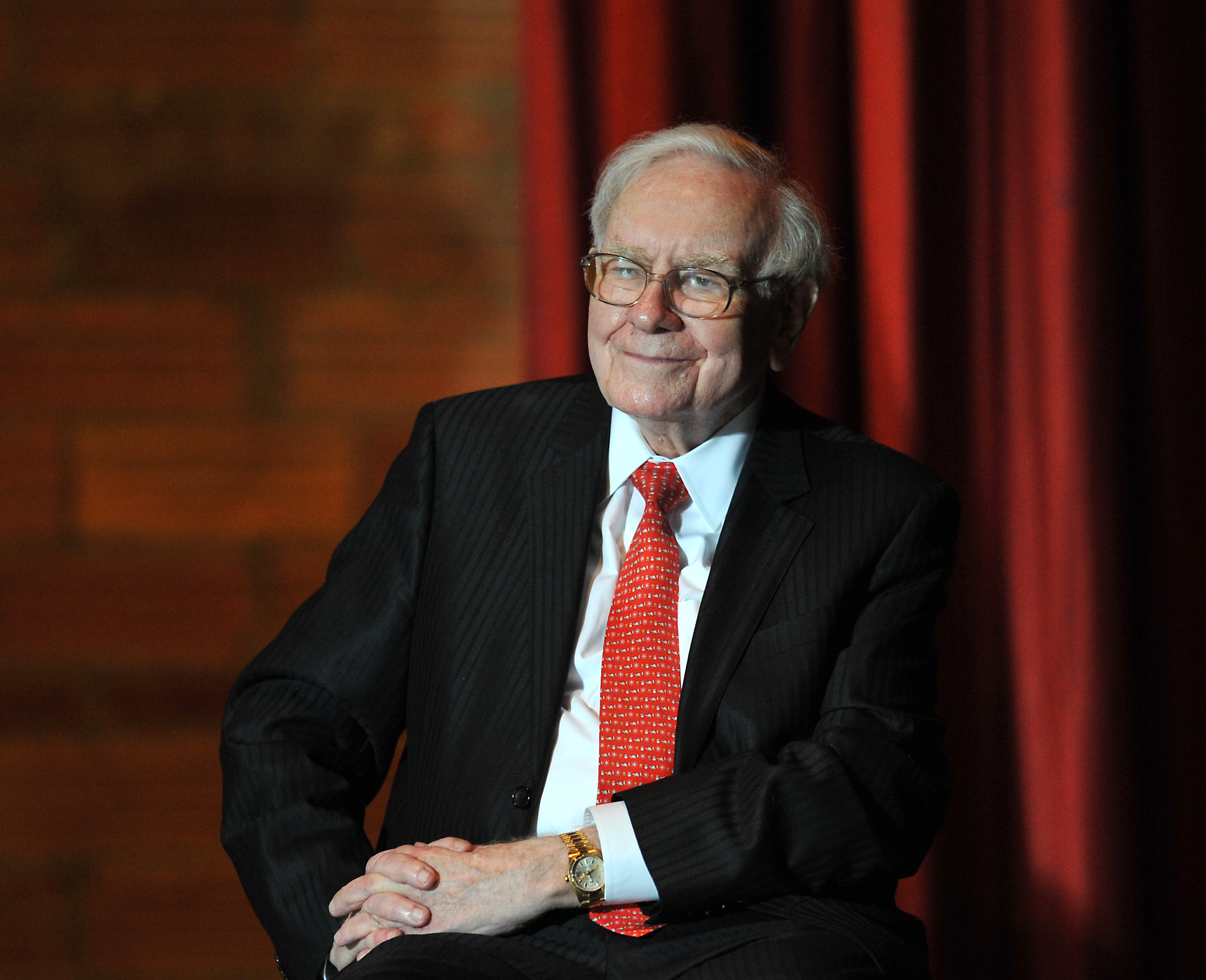
Warren Buffett, the 96-year-old “Oracle of Omaha,” officially stepped down as the chairman of Berkshire Hathaway on Friday, September 18th, and assumed the role of honorary chairman while continuing to serve as a director of the company, providing advice and judgment.
Berkshire Hathaway, a multinational conglomerate, announced on September 18th that Buffett’s resignation took immediate effect. He was succeeded as chairman by his son, Howard G. Buffett, with Susan L. Decker continuing to serve as the lead independent director.
This personnel change is part of Berkshire Hathaway’s long-term succession plan. The company’s day-to-day operations will continue to be overseen by CEO Greg Abel. Abel officially took over as CEO on January 1, 2026, with Buffett having passed on the CEO responsibilities to him earlier. As of now, Berkshire Hathaway’s leadership structure includes three distinct roles:
– Greg Abel: CEO, responsible for the company’s daily operations
– Howard G. Buffett: Chairman, leading the board of directors and safeguarding the company’s culture and values
– Warren Buffett: Honorary Chairman, director, continuing to provide advice and judgment
In a letter to shareholders, Buffett expressed that Abel has fully fulfilled his duties as CEO, exceeding expectations. He summed up their roles as Abel overseeing the company’s operations while Howard safeguards Berkshire Hathaway’s culture and values.
Howard, aged 71, has been a director of Berkshire Hathaway since 1993 and has served as the chairman and CEO of the Howard G. Buffett Foundation since 1999.
Buffett took over the struggling Berkshire Hathaway in 1965 and became chairman in 1970. Since then, the company has evolved from a textile business into a conglomerate with a market value exceeding $1 trillion, involved in insurance, railroads, energy, manufacturing, and retail.
From 1965 to 2025, Berkshire Hathaway’s annualized compound growth rate per share was 19.7%, compared to the S&P 500 index’s annualized return of 10.5% including dividends during the same period.
Since Abel assumed the role of CEO, Berkshire Hathaway has expanded stock buybacks, completed new acquisitions, and increased net stock purchases. As of the end of June 2026, the company held about $365.5 billion in cash, cash equivalents, and US Treasury bills. In the second quarter, Berkshire Hathaway repurchased approximately $4.5 billion in stocks, with operating income rising by 16.3% to $12.983 billion.
As of September 17th closing, Berkshire Hathaway’s Class B shares had risen by approximately 1.64% year-to-date in 2026, while the S&P 500 index had risen by nearly 12% during the same period. At the time of writing, Berkshire Hathaway’s Class B stock price had dropped by around 0.31% in pre-market trading on September 18th.