
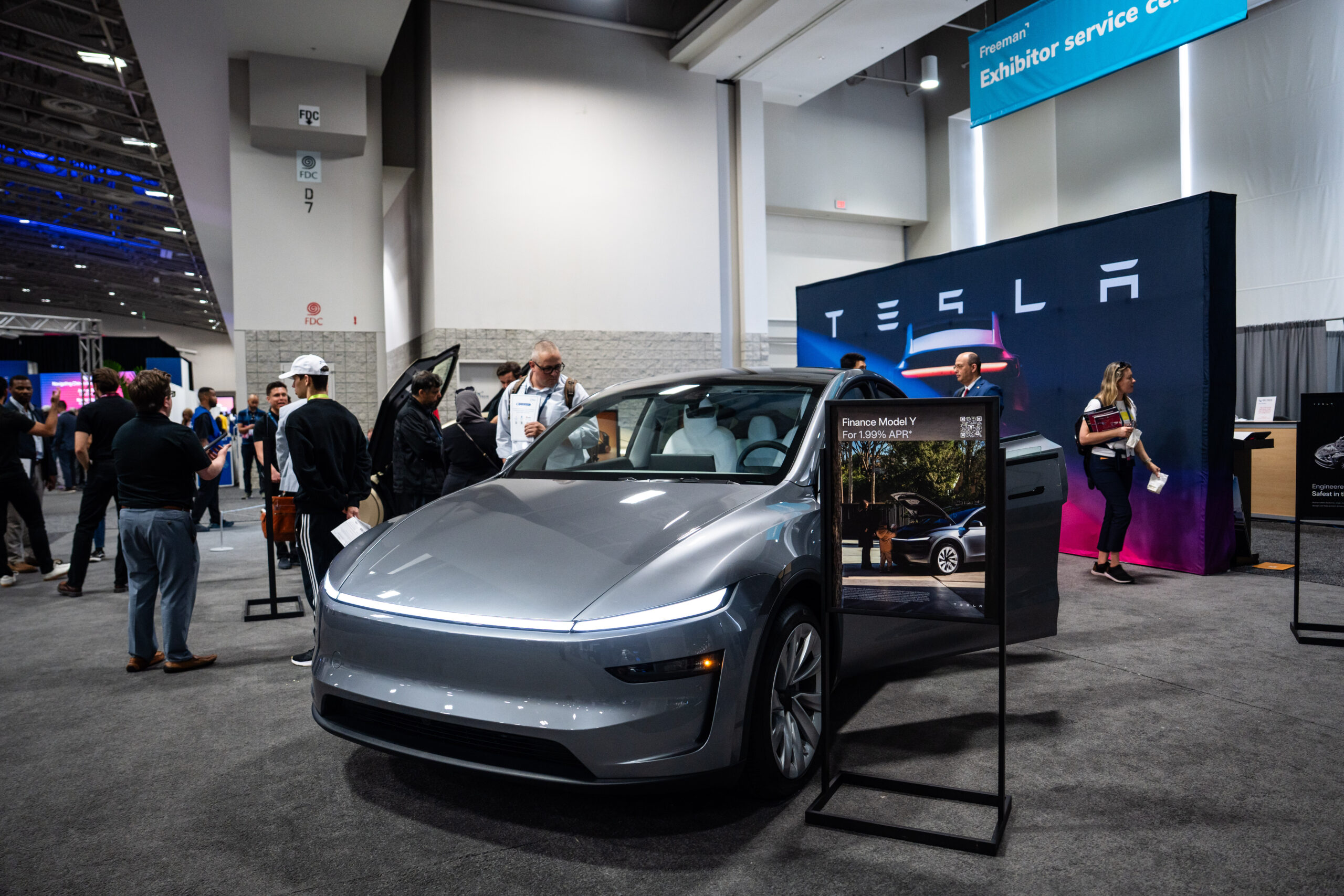
Tesla’s best-selling electric car, the Model Y, is priced cheaper in Tokyo, Japan than anywhere else in the world – costing only around 3.6 million Japanese yen (approximately $23,000). This price takes into account government subsidies and is lower than in major markets like China.
One of the reasons behind the significantly lower price of the Model Y in Tokyo, as reported by the online technology and automotive news site teslamagz.com, is the weakening of the Japanese yen. In addition, various levels of government in Japan, including the national and Tokyo metropolitan governments, have increased subsidies for electric vehicles this year. Tesla is actively promoting these subsidies in Japan through advertising, aiming to attract consumers in a market traditionally dominated by domestic auto brands.
According to the Tesla Japan website, the starting price for the Model Y Premium RWD is 5.587 million Japanese yen. Residents of Tokyo who meet certain criteria can apply for the Japanese government’s “Clean Energy Vehicle Introduction Promotion Subsidy” (CEV subsidy), which currently provides a subsidy of 1.27 million yen for the Model Y. In addition, there are local subsidies in Tokyo that, under specific circumstances, can bring the total subsidy to as high as 1.97 million yen. Therefore, with the maximum subsidy, the actual cost of a Model Y can be reduced to around 3.617 million yen.
In comparison, in the fiercely competitive electric vehicle market in China, the starting price of the Model Y is around 263,500 Chinese yuan (approximately $39,300).
Tokyo is able to provide such high subsidies for electric vehicles due to its policy promoting zero-emission vehicles. In June of this year, the Tokyo metropolitan government announced that as of July 1, electric vehicles eligible for national subsidies in Japan would see the maximum Tokyo subsidy increase from 1 million yen to 1.3 million yen, while the maximum subsidy for plug-in hybrid electric vehicles (PHEVs) would increase from 850,000 yen to 1.15 million yen.
Tokyo authorities stated that the subsidy increase aims to promote the widespread adoption of zero-emission vehicles and achieve the goal of having all new passenger cars in Tokyo be non-gasoline vehicles by 2030. The new subsidy system also takes into account factors such as the car manufacturer, vehicle specifications, whether the buyer installs charging and discharging equipment, and the use of renewable energy sources to calculate the subsidy. However, each additional equipment item requires related procedures and equipment inspections.
For the 2026 fiscal year, the CEV subsidy system from the Japanese government provides a subsidy of 1.27 million yen for Model 3, Model Y, and Model Y L. Tesla has emphasized that eligible vehicles must meet application requirements, and there is typically a requirement to retain the vehicle for at least 4 years after receiving the subsidy.
The combination of local and national subsidies in Tokyo has led to a significant decrease in the price of the Model Y. The Tesla Japan website is now directly promoting that residents of Tokyo can receive up to 1.97 million yen in subsidies when purchasing a Model 3 or Model Y.
This pricing advantage has garnered attention for Tesla in the Japanese market. Reports indicate that in the first half of 2026, the Model Y became the highest-imported car in Japan; Tesla’s Model Y, produced at the Shanghai Gigafactory, is exported to Japan.
In addition to the Model Y, the price of the Model 3 after subsidies can also see a substantial reduction. Reports suggest that under the highest subsidy conditions, the minimum price of the Model 3 can drop to around 3.3 million yen. The actual burden amount will vary depending on the car model, place of residence, subsidy eligibility, and other equipment subsidies.