
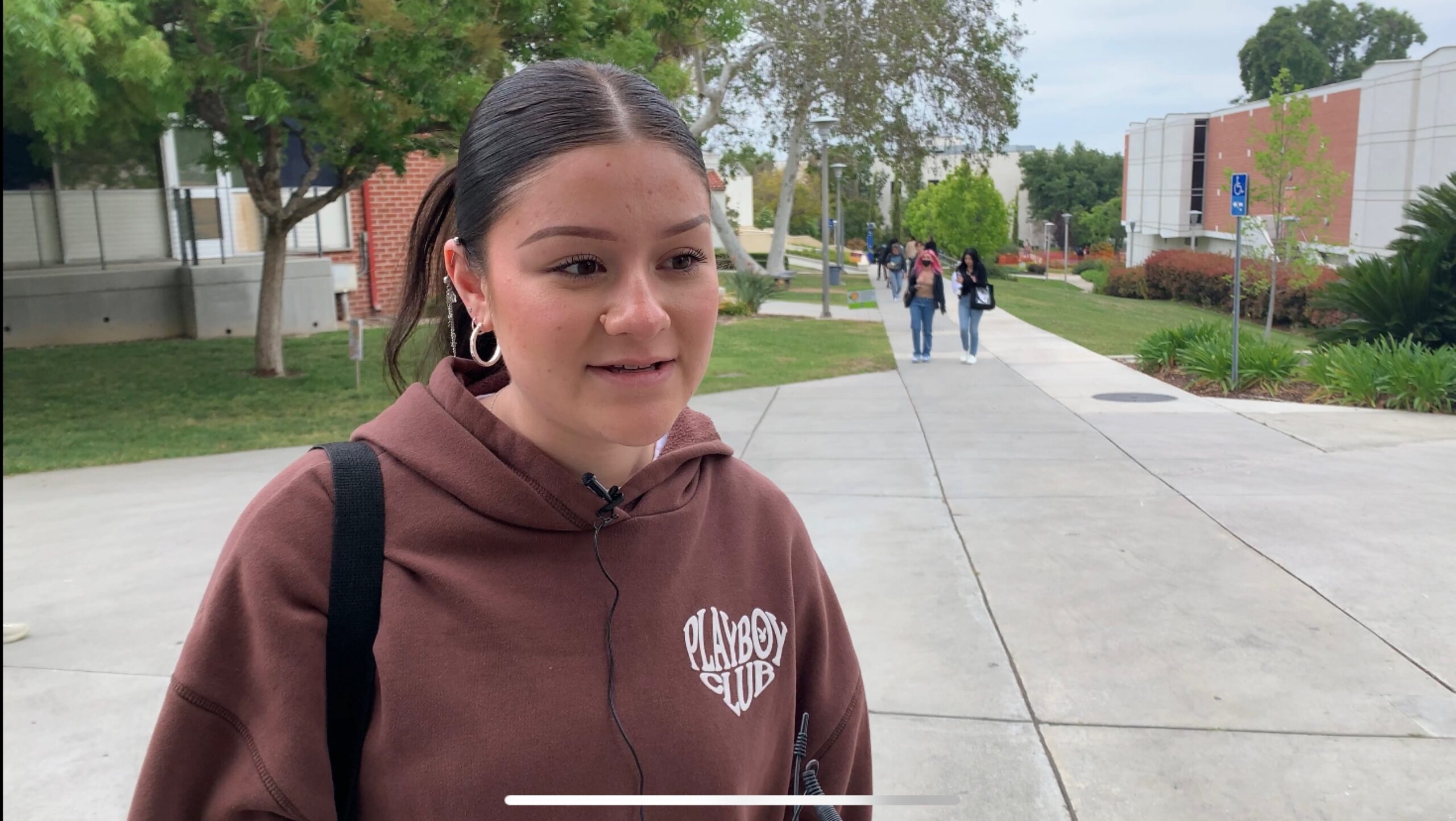
In order to help students adapt to workplace norms early on, Tuskegee University, a renowned historically black university (HBCU) in the United States with a long history, has recently implemented a new student dress code policy. The new regulations explicitly prohibit students from wearing flip-flops, sleep caps, and du-rag headscarves in classrooms and cafeterias, and require them to wear business suits and leather shoes on formal occasions. This move has sparked widespread discussions in the American higher education and social media spheres regarding “professionalism” and “expression of Black culture”.
Tuskegee University’s President, Dr. Mark A. Brown, a retired Air Force Major General, emphasized in a notice to students for the new semester that this dress code is a key element of the university’s efforts to promote a “professional educational environment” and career preparation initiatives.
“Our goal is not to restrict anyone from enjoying university life at Tuskegee, but to lay a solid foundation for your entry into the workforce after graduation,” President Brown stated in the letter. “Employers today are becoming increasingly discerning, and often times, appropriate professional attire can be more decisive than a well-prepared speech.” He reiterated that the university aims to ensure that every graduate stands out in the competitive job market through this reform.
According to the new “Dress Code Policy for Students”, Tuskegee University has outlined specific requirements for attire in different settings:
Formal Professional Occasions: Students must wear fitted business suits and formal shoes when participating in recruitment events, formal meetings, professional interviews, and convocation ceremonies.
Classrooms and Public Spaces: Even in daily spaces like classrooms, libraries, or cafeterias, students are not permitted to wear revealing or suggestive clothing – attire should be well-fitted, not revealing undergarments or other intimate areas, and not wear excessively short shorts, swimwear, sleeveless tops, jumpsuits, or baggy pants (belts must be worn), and sandals are not allowed.
Headgear and Sleepwear Prohibition: Except for medically, religiously, or culturally justified needs, the wearing of hats, sunglasses, and nighttime hair protection bonnets commonly worn by Black individuals, like du-rags (a type of headscarf tied around the head), is strictly forbidden in classrooms and cafeterias.
The new policy also grants faculty the authority to conduct dress code checks in classrooms. Although the statement does not specify the details of penalties for violations, it demonstrates the university’s determination to reshape the campus culture.
The dress code change has sparked broader discussions about professionalism, cultural expression, and societal expectations for HBCU students.
Critics argue that labeling hair accessories like du-rags and bonnets, which are distinctive features of Black community culture, as “unprofessional” indirectly suppresses students’ cultural pride and personal expressions, constituting unfair political measures to conform to “decency”.
Supporters believe that universities should teach students how to present themselves in interviews, meetings, and other professional settings. Many alumni and university administrators have expressed strong support for the new policy. Prominent Tuskegee University alumna, Gwen McKinney, told NBC4 Washington news that the new policy is “refreshing”, emphasizing that “each attire has its appropriate time, place, and occasion”.
Walter P. Cooper Sr., Director of the School’s Center for Career Education and Leadership Development, further added, “In the business world, confidence and professionalism often stem from appropriate attire. Our responsibility is to ensure that students will not face unnecessary hindrances in the workplace due to personal appearance.”
Overall, few American universities have strict dress code requirements campus-wide, with most allowing students to attend classes in casual attire like jeans, t-shirts, hoodies, or even pajamas, only mandating formal attire for occasions such as graduation ceremonies, award presentations, mock courtrooms, recruitment events, and interviews.
In comparison, historically esteemed HBCUs like Tuskegee University and military academies have long maintained strict adherence to “professionalism” and self-discipline.
As the global job market competition intensifies, whether this century-old institution can enhance students’ career prospects through rigorously enforcing dress code norms is receiving significant attention in the education sector.