
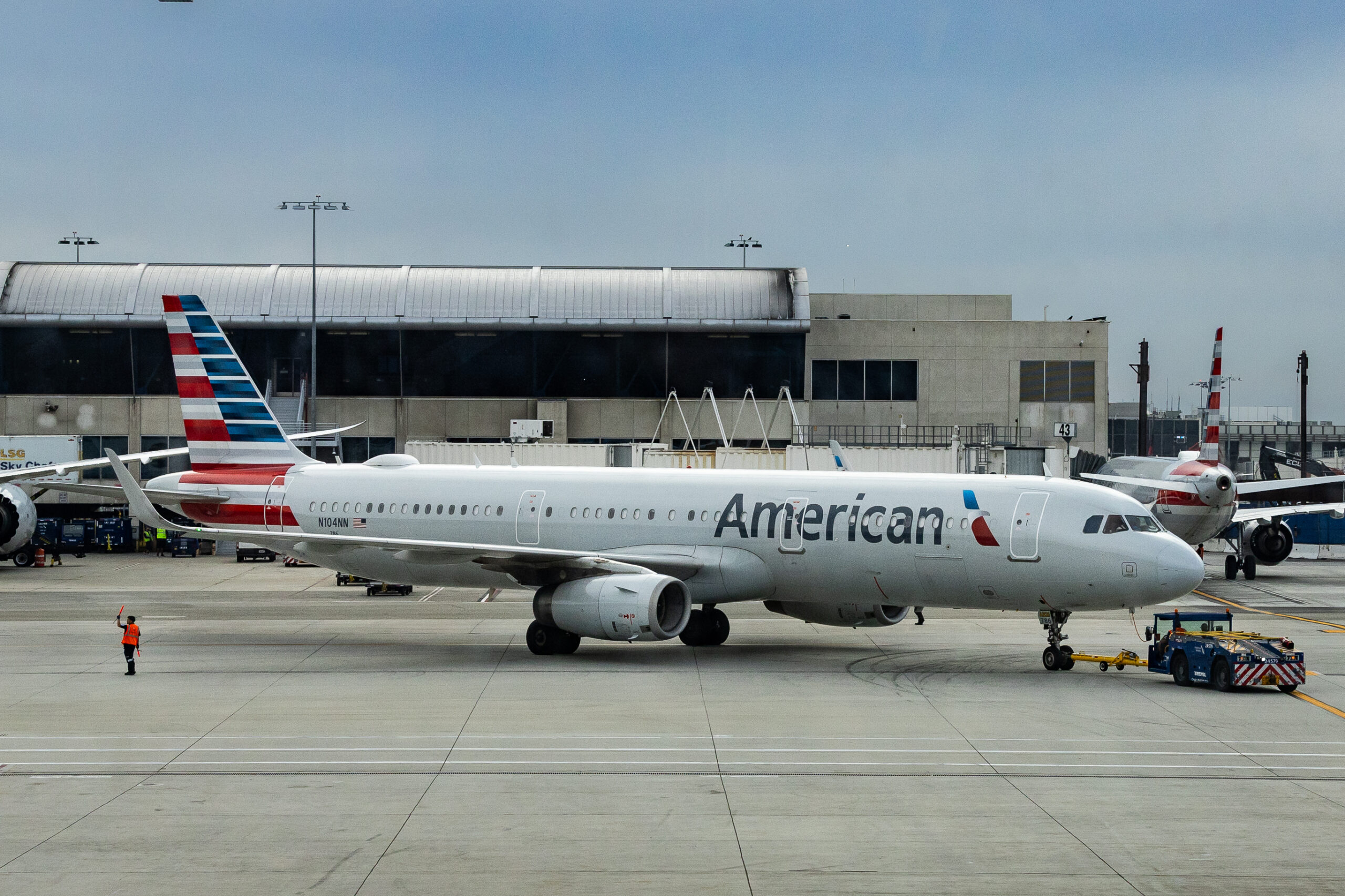
Regardless of how fuel prices fluctuate this year, don’t count on snagging cheap airline tickets. According to the latest data from the federal government, airfare in the United States rose by 26.5% in June compared to the same period last year.
Airline executives have stated that despite the increase in ticket prices, customers’ enthusiasm for bookings remains unabated. This month, when presenting the situation to Wall Street analysts, they indicated that they expect to maintain this pricing advantage for the remainder of this year, and possibly even longer.
Marjorie Aran, a passenger, shared that she and her husband spent a total of $800 flying economy class with United Airlines from New York to Chicago to visit their daughter this week.
When asked if the high ticket prices would deter her from traveling, she replied, “We can afford it.”
Airlines have observed similar behavior among millions of consumers. For example, Southwest Airlines saw its average one-way ticket price increase to $225.61 in the second quarter, up from $186.65 during the same period last year.
“Despite soaring fuel costs and rising ticket prices, we see demand remaining very strong,” said Bob Jordan, CEO of Southwest Airlines, during an interview on CNBC’s “Squawk on the Street” at the end of July.
United Airlines expects to exceed its initial forecast for fuel expenses by around $6 billion this year. American Airlines also projects a $6 billion increase in fuel costs compared to the previous year, with both companies experiencing over a 50% rise in fuel expenses. Despite passing these costs on to consumers through higher ticket prices, they noted that demand remains robust.
“We’ve observed that higher prices have had almost no negative impact on demand, and we expect this trend to continue,” said Andrew Nocella, Chief Commercial Officer of United Airlines, during a financial conference call on July 16th.
With unexpected spikes in fuel costs, airlines are facing additional expenses amounting to billions of dollars due to rising fuel prices. They are hoping to offset these costs, as well as increases in labor, maintenance, and airport fees.
CEO of United Airlines, Scott Kirby, mentioned during a financial call, “Labor costs are rapidly increasing, maintenance costs are astonishingly rising, and these are costs that all airlines have to bear.”
The surge in fuel costs has shocked the industry, as fuel is the second largest expense for airlines after labor. As a result, airlines have reduced flight schedules, leading to fewer daily or weekly flights on specific routes, limiting passenger options and potentially driving up ticket prices.
According to S&P Global Energy Platts, as of Monday (August 3), aviation fuel prices along the U.S. Gulf Coast were around $3.60 per gallon.
The intermittent ceasefire between the U.S. and Iran has led to market volatility, adding complexity to airlines’ flight schedules and pricing strategies.
As ticket prices and fuel costs rise, the four major U.S. airlines – American Airlines, Delta Air Lines, United Airlines, and Southwest Airlines – are expanding their market share in the U.S.
Data from aviation data company Cirium shows that these airlines collectively held 82.1% of the total U.S. airline capacity (measured in seats) this year, up from 80.7% last year and 79.7% in 2022. Despite a stagnation in domestic passenger traffic for Southwest Airlines, these industry giants continue to increase their market share. The growth in market share for major airlines is partially attributed to reduced competitive pressure from smaller rivals.
Following the closure of iconic U.S. ultra-low-cost carrier Spirit Airlines in May, which resulted in the sudden loss of tens of millions of airline seats in the market, some small budget airlines are slowing their growth or even downsizing to save expenses.
However, JetBlue Airways, Frontier Airlines, and the emerging Breeze Airways founded by JetBlue Airways founder David Neeleman, are still planning to expand their operations.
JetBlue Airways forecasts a 16.5% growth in operational revenue this quarter.
Frontier Airlines, as the largest budget airline in the U.S., has stronger pricing power. Its average ticket revenue in the second quarter was $63.04, up from $40.94 in the same period last year. However, non-ticket revenue, including seat selection fees and other ancillary service fees, decreased by 1% compared to last year.
The Denver-based airline plans to increase its capacity by up to 18% this quarter and expects operational revenue to grow by 20%. Additionally, the company plans to expand its business scale by approximately 7% in the fourth quarter.
As the peak summer travel season draws to a close, the coming months will determine how much airlines can pass on costs to customers. The end of the summer travel peak season is getting earlier, and demand in August is no longer as strong as before. However, airlines note that more customers are increasingly opting to travel during the autumn and other traditional off-peak seasons to avoid crowds, high prices, and scorching weather.
27-year-old podcaster and researcher Justin Wittekind, returning from New York to Ontario, California, expressed that he spent around $340 on a United Airlines ticket. He mentioned that for a round-trip ticket, he might consider $400 as a psychological upper limit.
“But if I have to go back home… I’d pay $400, albeit begrudgingly,” he said.