
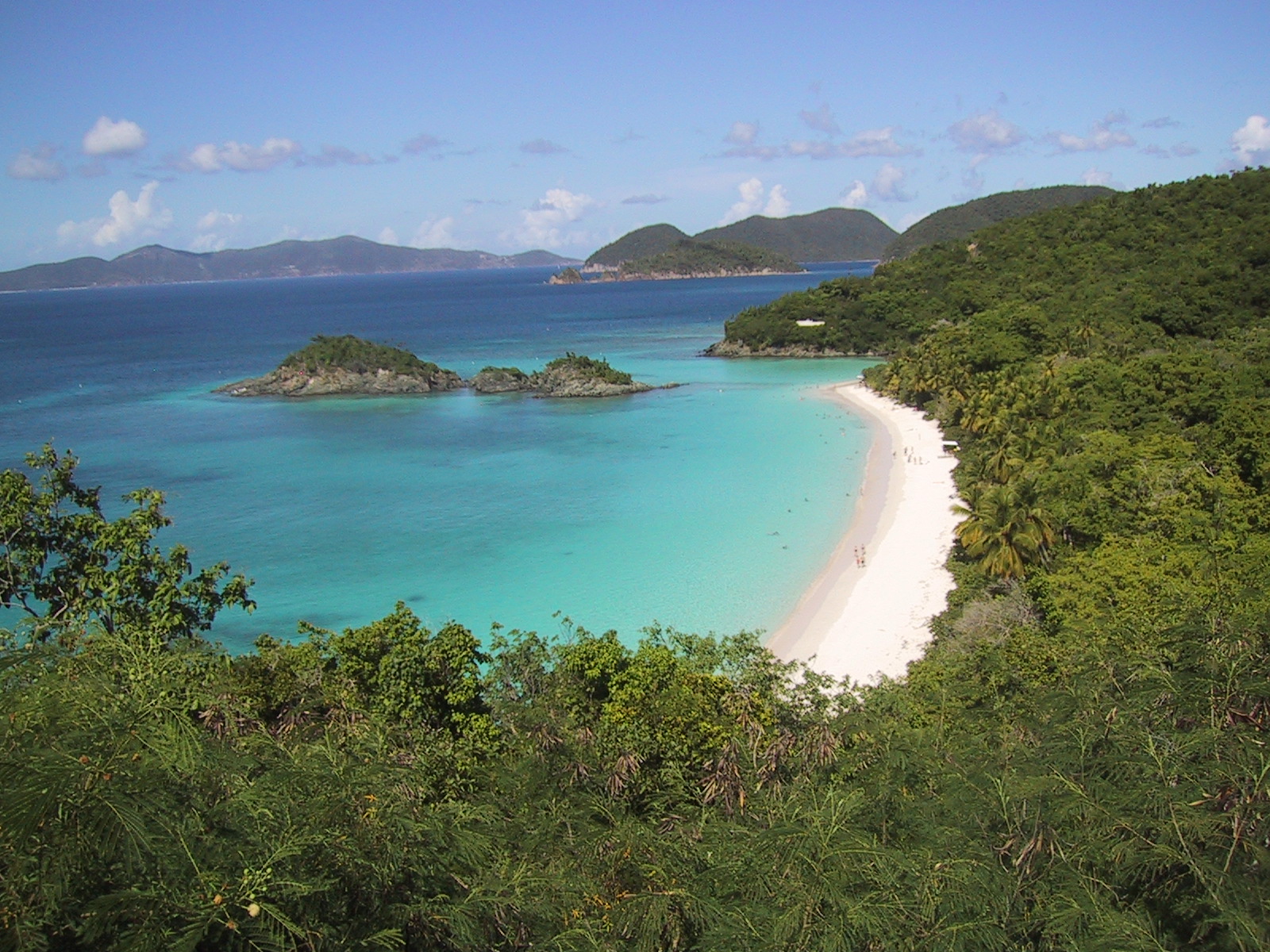
Recently, coastal areas in the Caribbean such as Mexico, Puerto Rico, and the U.S. Virgin Islands have been hit by the worst sargassum seaweed outbreak in history. Large patches of brown seaweed have covered beaches and nearshore waters, not only releasing foul-smelling gases threatening residents’ health but also dealing a heavy blow to the local tourism industry.
According to a report released by the Optical Oceanography Lab at the University of South Florida, approximately 27 million metric tons of sargassum were monitored in the Atlantic Ocean, the Caribbean Sea, and the Gulf of Mexico in July.
Brian Barnes, a research assistant professor at the university, described the situation this year as “extremely unusual.” It is the first time they have observed sargassum not only being carried from West Africa by ocean currents but also breeding in large quantities locally in the Caribbean Sea and the Gulf of Mexico.
Analysis suggests that this is related to last year’s record-breaking 40 million metric tons of seaweed outbreak. The remaining algae from last year was enough to trigger a new round of proliferation in the area.
Scientists estimate that 2026 will be the second-highest recorded year in terms of sargassum quantity in the region.
Tourist destinations like Cancun and Playa del Carmen in Quintana Roo, Mexico, have been deeply affected by the seaweed outbreak.
The governor of Quintana Roo, Mara Lezama, mentioned that dealing with sargassum costs about $2 billion annually, which accounts for approximately 11% of the state’s GDP. The hotel industry estimates that an additional $150 million is needed each year to combat the overgrowth of seaweed.
The Mexican government announced plans to invest $115 million to strengthen seaweed cleaning efforts, including deploying navy ships and interception facilities to assist in the operation.
Local businesses have reported a decrease of about 30% in revenue in the first half of this year compared to the same period last year, leading to job cuts due to a sharp decline in customers.
Popular beach areas like La Parguera in Puerto Rico have also been covered with large amounts of sargassum.
Waldemar Quiles, head of the Department of Natural Resources in Puerto Rico, stated that such a widespread and high concentration of seaweed is exceptionally rare.
Environmental consultant Amy Dempsey in the U.S. Virgin Islands noted that the current situation is the most severe she has seen in almost five years. Visitors now have to walk several meters through thick layers of seaweed before reaching the water.
Experts point out that when sargassum washes ashore, it reduces the oxygen content in the water, covers the roots of mangroves and corals, and obstructs young turtles from returning to the sea.
Furthermore, the decomposition process releases ammonia and hydrogen sulfide, which can cause a foul odor in surrounding communities.
The U.S. Environmental Protection Agency (EPA) has issued warnings that the related foul-smelling gases may cause nausea, headaches, and respiratory discomfort.
Experts highlight that with rising sea temperatures and increased agricultural runoff, sargassum outbreaks have evolved from occasional phenomena to persistent regional disasters, urging the establishment of a response mechanism that integrates satellite monitoring and early intervention.