
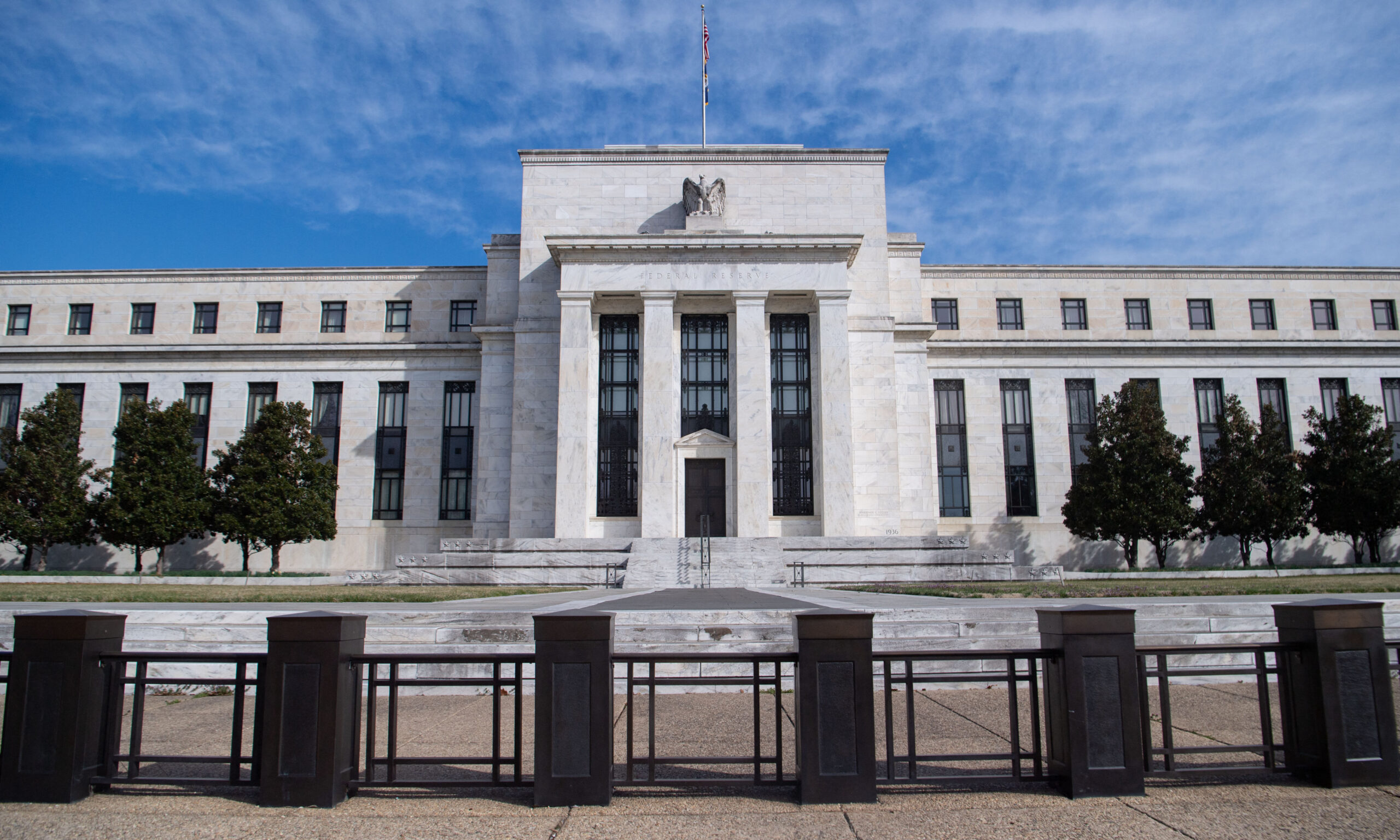
The Federal Reserve (Fed) announced a 25 basis point rate hike on Wednesday, September 16, which has already started impacting the daily finances of Americans. Credit card interest rates have risen, with the 30-year mortgage rates nearing 7%, reaching a 19-month high. On the other hand, those who prefer high-interest savings may see better returns. The rate hike has brought both joy and concern to different groups.
Katie Klingensmith, Chief Investment Strategist at Edelman Financial Engines, pointed out that the impact of the rate hike varies depending on whether individuals are borrowers or lenders, consumers or savers, and if they have heavy debts or stable finances. This is why some are complaining while others are benefiting from the rate hike.
Simeon Wallis, Chief Investment Officer at Aprio Wealth Management, categorizes consumers into “tight budget” and “stable” types. The former are typically in the early to mid stages of their careers with incomes around the median or lower, carrying floating-rate debts, thus, they are more heavily impacted. The latter are mostly in the later stages of their careers or retired, holding assets and low-rate fixed mortgages, thus, experiencing less impact.
Matt Schulz, Chief Credit Analyst at LendingTree, pointed out that the most affected are often the most vulnerable groups. He said, “If you carry a lot of credit card debt and have no savings, you will only bear the downside risk and not enjoy the upside benefits.”
Schulz gave an example that if a consumer maintains a $100 credit card balance for a year, they would pay approximately an extra $0.25 in interest; if the balance reaches $10,000, then about $25 more would be paid. He mentioned that a single rate hike “won’t shake anyone’s finances”, but most members of the Federal Open Market Committee (FOMC) anticipate another rate hike before the end of the year. Additional rate hikes throughout the year would have a more noticeable impact.
Concerning auto loans, existing loans with fixed rates are not affected, but individuals planning to purchase a vehicle may face higher new loan rates. Rodney Williams, Co-Founder and CEO of SoLo Funds, warned that if consumers extend the loan term to lower monthly payments, they end up prolonging the interest payment period, resulting in a higher total payment.
Freddie Mac announced on Thursday, September 17, that the average 30-year fixed mortgage rate had risen to 6.95%, the highest since January 30, 2025, compared to 6.26% a year ago; the 15-year fixed mortgage rate for the same period also rose to 6.26%.
Lisa Sturtevant, Chief Economist at Bright MLS, stated that this Fed rate hike almost “guarantees” that mortgage rates will remain at 7% or above, significantly increasing the burden of refinancing, causing more potential buyers to step back and wait.
On the other hand, households holding cash, deposits, or high-quality bonds are expected to gain higher returns. Klingensmith mentioned that for those relying on savings or fixed-rate income for their livelihood, this is good news.
Schulz stated that high-interest savings rates are expected to rise in the coming months, with the new rates applying to existing account balances, not just new deposits post-rate hike. According to NerdWallet data, the current best high-interest savings annual rate is 4.21%, 11 times the national average of 0.38%. However, he cautioned that banks do not typically raise deposit rates as aggressively as credit card annual percentage rates (APR).
Schulz suggested that consumers proactively contact lenders to request rate reductions. According to a LendingTree survey earlier this year of 2,000 American consumers, 84% of cardholders who made requests were ultimately approved. Additionally, considering opening a high-interest savings account to seize the profit opportunities from the rate hike.
Williams advised that before considering refinancing or transferring credit card balances, individuals must ensure that the terms are favorable to them, or else they may end up with a higher rate. He also recommended prioritizing repayment of debts with the highest interest rates or variable rates and paying the minimum amount due on time to prevent interest from accumulating.