
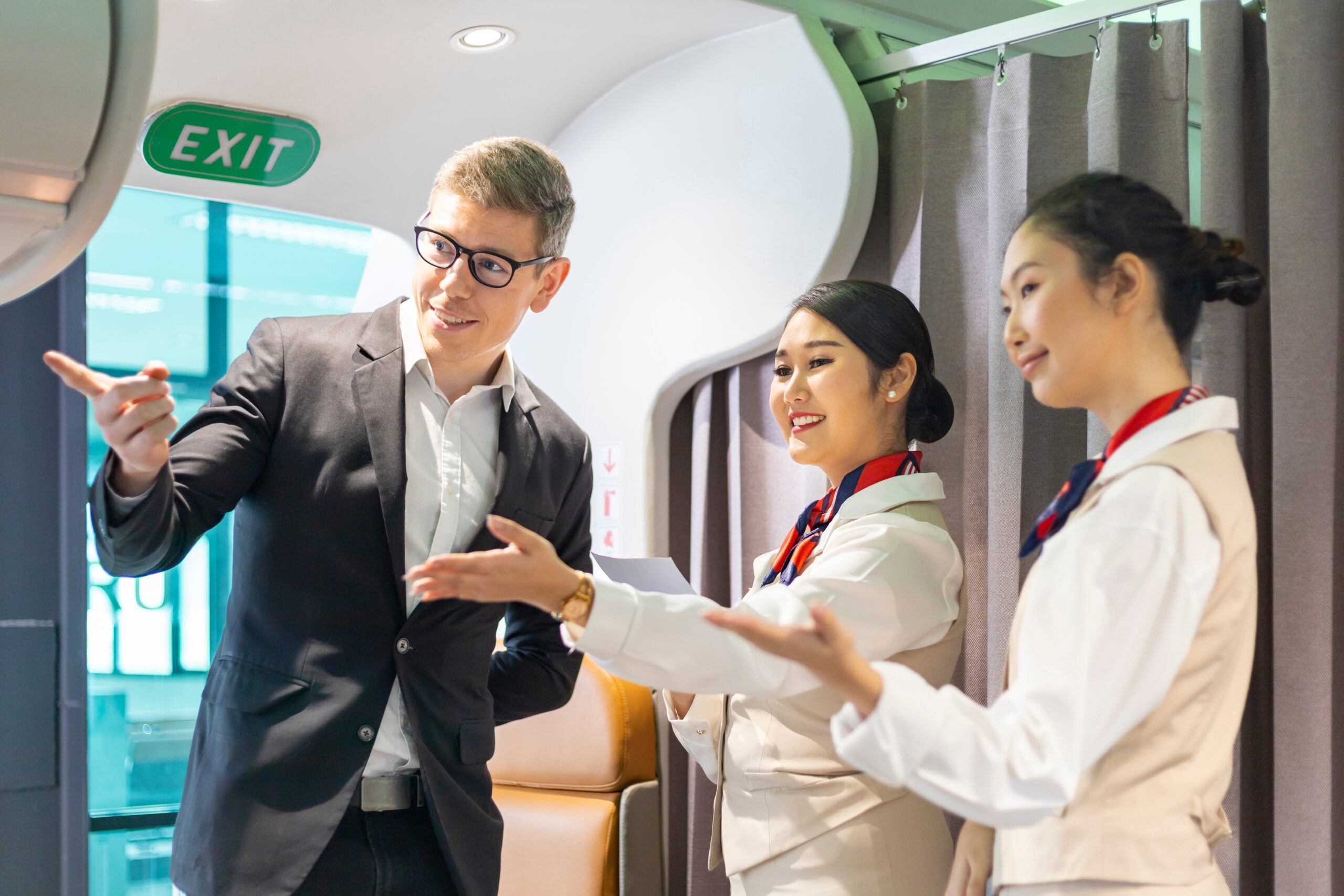
When boarding a flight, flight attendants (also known as stewardesses) stand at the cabin door to smile and greet each passenger, check boarding passes. This seemingly simple gesture of courtesy is actually a well-trained safety screening procedure, according to several seasoned flight attendants and aviation industry insiders who spoke to HuffPost.
Jay Robert, a seasoned flight attendant and founder of the travel blog A Fly Guy Travels, mentioned that during the welcoming process, the crew pays attention to signs of illness, intoxication, or carrying prohibited dangerous items among passengers. This serves as the first line of defense in identifying potential security threats. Yuvraj Datta, Chief Supply and Revenue Officer at Fareportal, highlighted that this moment also serves as a crucial observation time for the crew to conduct initial safety and operational assessments of the cabin environment.
Anton Radchenko, the founder and CEO of AirAdvisor, pointed out that the social aspect of welcoming greetings is deliberately designed. When passengers feel welcomed, they are more likely to interact naturally. Crew members use this opportunity to observe passengers’ sense of direction, stability while standing, etc., to assess potential risks.
With the increase in disruptive passenger incidents in recent years, the vigilance of flight attendants has also heightened, with alcohol-related issues being one of the major concerns. Henry Harteveldt, President of Atmosphere Research Group, mentioned that crew members typically keep an eye on passengers’ sobriety during the boarding stage. If a passenger is visibly intoxicated or using substances, they may check boarding passes under the pretext of confirming their seat and remind colleagues to monitor the passenger’s alcohol consumption.
Robert emphasized the importance of early detection of alcohol-related issues before the boarding gates are closed, as intercepting a passenger at the gate is much easier than dealing with the situation after takeoff. Dan Bubb, a former airline pilot and honorary professor at the University of Nevada, Las Vegas, explained the potential consequences of dealing with an intoxicated and unruly passenger mid-flight, which could lead to unplanned landings, resulting in additional time and financial costs.
Radchenko stated that if a passenger is stopped at the gate, it signifies that they have already passed the preliminary screening at the boarding gate and subsequent screening at the cabin door. This provides the airline with two independent records to handle any future complaints. He suggested that passengers who feel unjustly denied boarding should request written explanations from the airline before leaving the boarding gate for future reference.
In addition to risk assessment, crew members also identify so-called “able-bodied passengers” during the boarding process. Robert mentioned that he looks for passengers who appear physically fit, confident, or those with backgrounds in law enforcement, military, firefighting, medical professionals, etc., as potential assistance providers in emergencies or incidents involving unruly passengers.
According to Federal Aviation Administration (FAA) regulations, crew members are required to verbally explain the emergency exit operations to passengers sitting in exit row seats. This allows crew members to confirm passengers’ understanding of safety obligations and their fitness to assist in emergency situations without being under the influence of alcohol or other substances.
Paula S. Adams, a former flight attendant with Etihad Airways and now a private flight attendant and aviation industry trainer, mentioned that the boarding process also helps identify passengers who may need additional assistance during the flight due to disabilities or other factors. Datta highlighted that this helps crew members establish an overall understanding of the onboard situation, and the brief welcome greetings often help crew members proactively identify potential issues before the aircraft leaves the gate.
Despite the safety assessment role of welcoming greetings, many interviewees also pointed out that flight attendants value the interpersonal connection that this brief interaction brings. Robert mentioned that many flight attendants enjoy interacting with passengers, listening to their stories. The welcoming greetings during boarding serve as the first opportunity to build relationships with passengers and set a friendly tone for the entire flight.
Bubb suggested that passengers could initiate greetings and show concern for the flight attendants’ well-being, as these small acts of kindness hold significant meaning for crew members who often have demanding and lengthy working hours.