
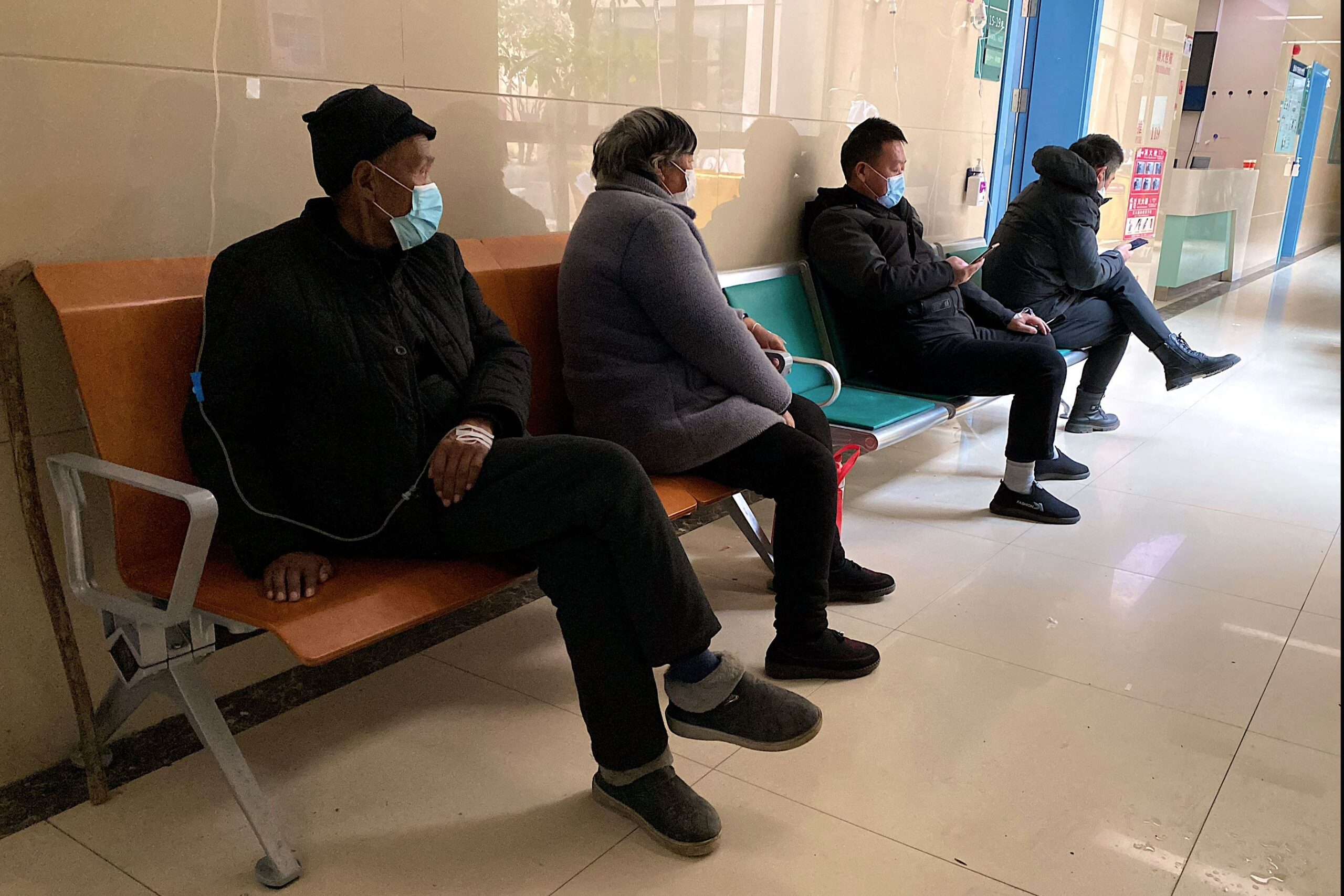
Recently, a hospital in Beijing has requested departmental staff to return all performance bonuses received from January to June this year, and stated that salaries will not be paid this month. Healthcare workers in Beijing revealed that hospitals in Changping District have stopped issuing bonuses since July, with some hospitals facing delayed funding from higher authorities and can only maintain basic salary payments, burdening grassroots medical staff with the financial difficulties of the public healthcare system.
There has been a circulating screenshot of a departmental notice from a hospital recently, indicating that internal staff members are required to refund all performance bonuses received from January to June, with the specific amount to be announced at a meeting. The notice also mentioned that salaries will not be disbursed to internal staff members this month, and the remaining balance after deducting the refund amount will be processed later. The screenshot did not disclose the hospital’s name.
Ms. Deng, a healthcare worker at the Beijing Friendship Hospital, told Epoch Times that the hospital she works at has not reached such a predicament yet, but confirmed that other hospitals are indeed requesting healthcare workers to return bonuses: “I heard that a hospital in Changping is asking employees to refund bonuses from the first half of the year. They stopped issuing bonuses in July. Whether this is happening in other areas of Beijing, I am not sure. Our hospital has not requested bonus returns so far, but you never know, given the current state of affairs, all sorts of absurd things can happen. Some hospitals in other regions have had funding delayed by higher-ups, so they are only paying salaries.”
Mr. Gao, a retired individual in Beijing, stated that reports about hospitals, schools, and even state-owned enterprises delaying salary and benefits payments surface every day: “Hospitals in Hebei are behind on salary payments, let alone giving out bonuses. County-level hospitals in Shandong are also delaying salary payments, but the situation is even worse for township health clinics where some staff have not received their salaries for three months. A friend from there told me about this. Furthermore, fewer people are seeking medical care now as they can’t afford it, causing hospitals to start losing money.”
Apart from hospitals halting performance bonuses and reclaiming bonuses, some schools and other institutions in parts of China are also facing situations where employee salaries are being delayed. The Communist Party authorities consistently urge private enterprises to address wage arrears, while state-owned enterprises and institutions often lack accountability for salary delays.
Netizen Wu Muto from Guangxi commented that given the current economic environment, wage arrears by businesses have become very common: “The relevant Communist Party authorities only focus on wage arrears in private enterprises, talking about punishment and tax recovery, but they turn a blind eye when state-owned enterprises and institutions delay salary payments. State-owned enterprise unions stand on the side of the Communist Party when dealing with employees, leaving workers with no place to lodge complaints. In Guangxi, schools withholding teacher salaries is common, sanitation workers are also not getting paid, and bonuses are gone.”
Performance bonuses are a component of mainland China’s public hospital staff income, typically related to hospital operational revenue, department workload, and assessment results. Night shift fees are allowances for healthcare workers undertaking night duty.
Previously, the National Health Commission of the Communist Party of China (CPC), the Ministry of Human Resources and Social Security, and other departments issued documents on public hospital salary system reform, suggesting hospitals can autonomously distribute salaries within the approved total amount and introduce compensation items like night shifts and holiday work based on the healthcare industry’s labor characteristics. However, under tight local finances and delayed funding, healthcare workers are being asked to return even the bonuses they have already received. Wu Muto indicated that such occurrences are becoming increasingly common, and if it involves institutions, employees have nowhere to voice their concerns.