
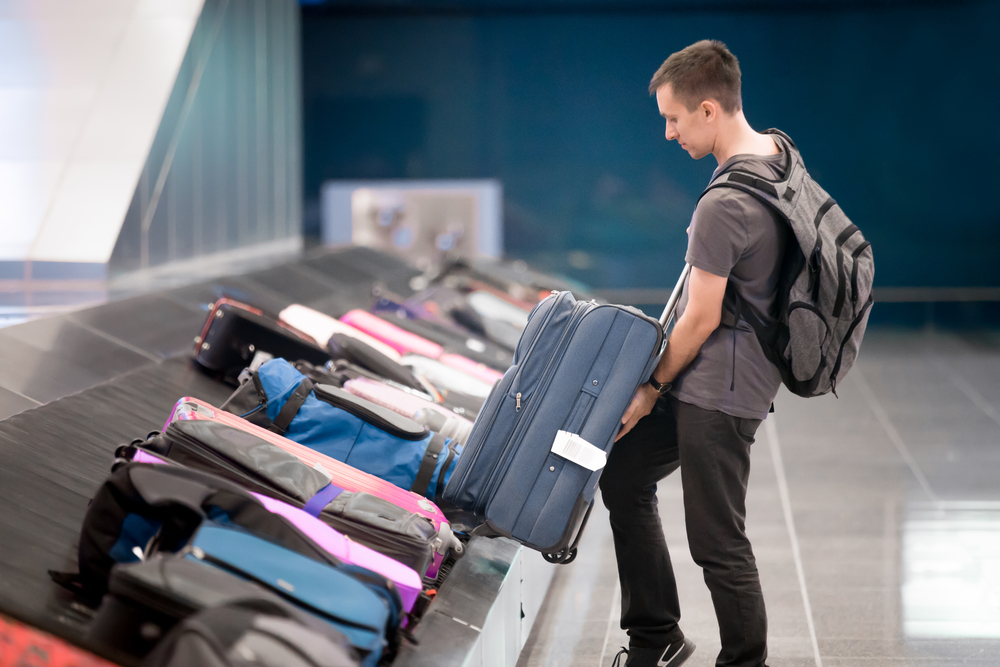
When you board a plane, you typically check in your luggage. However, in the unfortunate event that your luggage is lost by the airline, what should you do? What are your rights for compensation?
The UK charity organization “Citizens Advice” points out on its website that if your checked luggage is lost, delayed, or damaged, you have the right to seek compensation from the airline, provided that your losses are caused by the airline.
The organization advises that if you have purchased travel insurance that covers luggage loss, claiming through your insurance company when your luggage is lost, delayed, or damaged is usually more cost-effective. Not only can you receive more compensation this way, but the claims process is also typically simpler.
When seeking compensation from the airline, they generally pay compensation for the following circumstances:
– If your luggage is delayed, and you need to purchase essential items such as toiletries and underwear.
– If your luggage is lost or damaged, and you need to replace or repair the luggage and its contents.
– If you have to personally retrieve the delayed luggage, you need to pay for transportation expenses.
The organization mentions that when claiming from the airline, they usually require receipts for all items, but typically do not compensate for:
– Items lost or damaged on a “new for old” basis.
– Any valuable, fragile, or perishable items inside the luggage.
– Total compensation exceeding £1,000 (about $1,338).
– Stress, inconvenience, or other issues arising from luggage problems, like missing connecting flights.
– Problems with your luggage itself.
“Citizens Advice” suggests that before formally lodging a claim, it is crucial to report the issue to the airline, such as submitting a report at the airport (which you can request from the customer service department). Though not legally required, doing so can increase your chances of compensation.
Before officially filing a claim, it is advisable to prepare the following documents, though you should inquire with the airline for specific requirements:
– Boarding pass.
– Luggage tag.
– Evidence of reporting the issue to the airline, such as a form or email.
– Receipts for items purchased due to luggage delay, loss, or damage, including credit card receipts.
– Photos of the damaged luggage or contents.
– Estimated cost for repairing the damaged luggage, such as a quote from a repair shop.
Regarding the time limits for claims, most airlines adhere to the following deadlines, but it’s best to confirm with the airline:
– Luggage damage – within 7 days of receiving the luggage.
– Damage or loss of items inside the luggage – within 7 days of receiving the luggage.
– Luggage loss or delay – within 21 days after the flight concludes.
When you are ready to formally request compensation, inquire if there are any standardized forms with the airline. If not, you can write a letter to the airline’s customer service department.
In the letter, include a reference to the “Montreal Convention,” informing the airline that you are aware of your rights.
Information to include in the letter:
– Flight details, including flight number, date, origin, and destination.
– Issues encountered with your luggage.
– Amount of compensation sought.
– Detailed description of lost or damaged items.
– List of purchased items due to luggage delay, loss, or damage.
– Photocopies of all relevant documents.
The organization advises keeping records of your claim and original documents. In case you’re dissatisfied with the airline’s compensation, these records may be needed for further claim actions.
If your luggage loss involves multiple airlines due to layovers, you can claim from any one of them, but most airlines prefer claims to be made with the airline operating the final leg of the journey.
If you are unsatisfied with the airline’s response, you can pursue further claims, potentially through the civil aviation authority using forms on their website to address your complaint.
As a last resort, you can file a lawsuit in small claims court within two years of the flight, though this may be costly and time-consuming. Proceed with legal action if you believe it’s worth the time and effort.
Notably, travel advisor Rob Merlin from the US travel agency SmartFlyer advised travelers, in an article by “Travel + Leisure” magazine, to photograph your luggage, including its exterior, tags, and contents before traveling. These photos can serve as evidence for compensation and insurance claims in case of any incidents.
Additionally, US travel blogger Johnny Jet previously mentioned that black hard-shell suitcases with a rigid side are common and easily mistaken, making them more likely to be lost or stolen. Hence, it is recommended to avoid using such luggage when traveling.