
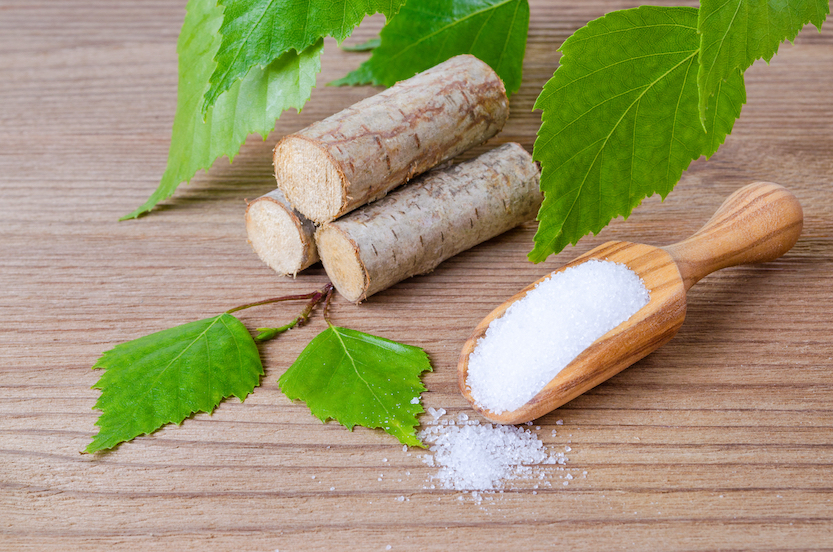
Comparison with infamous artificial sweeteners like aspartame and saccharin, xylitol is considered a relatively healthy natural sugar substitute, with some experts even recommending it for diabetes patients. However, the latest research has found that this sweetener also carries certain risks.
Xylitol is a sugar alcohol, a byproduct of glucose metabolism naturally present in the human body, and is found in trace amounts in certain natural foods.
Due to its unique advantages of not causing tooth decay and not relying on insulin metabolism, it is used in products such as chewing gum, toothpaste, mouthwash, throat lozenges, low-calorie snacks, and oral health care products, with its added amounts often exceeding natural levels by over 1,000 times.
Despite the increasing use of xylitol, its long-term effects on cardiovascular health have not been extensively studied.
In late August, Dr. Marco Witkowski from Charité – Universitätsmedizin Berlin presented his research at the European Society of Cardiology congress, indicating that elevated levels of xylitol in the blood are associated with an increased risk of cardiovascular events.
Witkowski stated, “In previous studies, we found that xylitol increases the ability of platelets to form blood clots. We also found that during a 3-year observation period, high levels of xylitol in the blood were associated with cardiovascular events in high-risk individuals. This study aimed to explore whether xylitol increases the risk of cardiovascular events through a larger sample size of the general population and a longer follow-up period.”
The research team analyzed data from 17,710 participants in two prospective observational cohort studies: the Canadian Longitudinal Study on Aging (CLSA) and the European Prospective Investigation into Cancer and Nutrition (EPIC-Norfolk Study).
The study found that individuals in the highest quartile of xylitol levels had a significantly higher risk of major adverse cardiovascular events (defined as death, heart attack, or stroke) compared to those in the lowest quartile of xylitol levels.
Over a 6-year follow-up period, after adjusting for known cardiovascular risk factors (such as age, gender, smoking status, lipid levels, diabetes, and hypertension), the CLSA cohort showed a 57% higher risk of major adverse cardiovascular events in the group with the highest xylitol levels compared to the lowest group.
Over a 30-year follow-up period in the EPIC-Norfolk cohort, the risk of major adverse cardiovascular events was 18% higher in individuals with the highest xylitol levels compared to those with the lowest levels.
Combining data from the intermediate quartiles, the results of both cohorts indicated that higher levels of xylitol in the blood were associated with a higher incidence of cardiovascular events.
Furthermore, researchers pointed out that irrespective of baseline characteristics like age and gender, xylitol intake showed a consistent upward trend in the occurrence of cardiovascular events.
Witkowski further emphasized that this association is unrelated to potential factors such as body mass index, hypertension, diabetes, and lipid levels – which might incline individuals towards choosing low-calorie products.
He noted, “People consume artificial sweeteners because they believe they are healthier than sugar, and regulatory agencies generally consider them safe.”
“Our long-term study in the general population highlights how limited our understanding of xylitol’s cardiovascular safety is, and indicates the need for further research, especially as xylitol content continues to increase in products,” Witkowski added.
However, Professor Tom Marwick from The Baker Heart and Diabetes Institute expressed to The Age that the aforementioned research does not definitively establish that xylitol, as an artificial sweetener, leads to cardiovascular events.
He stated that this study is observational and cannot prove causation. Additionally, he highlighted several issues:
Firstly, we do not consume xylitol on its own but through packaged foods and soft drinks. Whether the problems arise from xylitol itself or heavily processed foods remains unclear.
Secondly, individuals consuming artificial sweeteners are likely to have other conditions such as obesity or diabetes. They may have other factors contributing to an elevated risk of cardiovascular events, with xylitol in the blood merely serving as a marker.
Moreover, while we intake xylitol through food and beverages, the body also produces it as a byproduct in glucose metabolism. Thus, it is uncertain whether the increased levels of xylitol in the blood result from ingested xylitol.
Marwick explained, “Xylitol has a half-life of approximately 13 minutes, meaning it requires repeated intake in large quantities to maintain high levels. A more plausible explanation is that high levels of xylitol are a byproduct of glucose metabolism. Insulin resistance likely leads to elevated xylitol levels and related events.”
With the rise of the “diet culture” in the 1960s and increasing awareness of the health risks of high sugar intake, the “anti-sugar movement” emerged, leading to the ubiquity of sugar substitutes.
From toothpaste, medications, chewing gum, to jams, yogurts, beverages, pastries, and sugar-free cakes, these sweeteners are present everywhere.
They are often recommended to diabetes, obesity, or heart health patients to avoid weight gain, liver issues, and metabolic problems caused by excess sugar.
However, some experts question whether we are simply trading one problem for another?
Previous studies suggest that artificial sweeteners may have negative effects on gut microbiota, inflammation, and metabolism regulation, increasing the risk of cardiovascular and cerebrovascular diseases.
After the World Health Organization classified aspartame as a “possible carcinogen,” a study in Brazil further pointed out that long-term excessive consumption of artificial sweeteners not only accelerates memory and cognitive decline but also leads to rapid brain aging, particularly evident in individuals under 60 and diabetes patients.
Jemma O’Hanlon, a nutritionist and CEO of Foodwatch, informed The Age, “Replacing sugar with artificial sweeteners is not the solution. Whenever possible, we should minimize the consumption of foods containing sweeteners.”
In 2023, the World Health Organization released a new guideline advising against the use of non-sugar sweeteners for weight management and chronic disease prevention.
“The guideline also indicates that prolonged use may have adverse effects, including an increased risk of developing type 2 diabetes, cardiovascular diseases, and premature death,” O’Hanlon stated, but pointed out that xylitol was not part of the review scope.
Amidst the chaos of the world, the path to health depends on
Epoch Health
!
Responsibility Editor: Han Yu#