
A judgement has been made in the case of the “Nanjing Museum (Nanjing Museum) unauthorized sale of donated precious paintings” that once caused a sensation at home and abroad.
On September 16, the Jiangsu authorities announced that the responsible units and personnel involved in the management of donated cultural relics by the Nanjing Museum have been dealt with. Among them, the central figure in the case, 81-year-old former director of the Nanjing Museum Xu Huping, was accused of using his position to seek benefits for others in project contracting and commercial cooperation and accepting bribes. He was sentenced to three years in prison.
This scandal involving the credibility of state-owned museums began in May 2025. Collectors discovered that 137 precious items, including the Ming Dynasty painting “Spring in Jiangnan” by Qiu Ying donated to the Nanjing Museum at no cost by Pang Zenghe in 1959, appeared in the preview of a Beijing auction house with an estimated value of up to 88 million yuan, triggering a report by the descendants of the Pang family and halting the auction.
On December 17, 2025, Chinese media reported that since the Ming Dynasty painting “Spring in Jiangnan” by Qiu Ying from the collection of the Nanjing Museum entered the auction market, the Nanjing Museum has been at the center of controversy.
On December 21, 2025, retired employee of the Nanjing Museum, Guo Lidian, displayed a joint report letter from 42 senior staff members through a WeChat video platform, accusing former director Xu Huping of large-scale theft and smuggling of cultural relics from the Forbidden City relocating to the south. Guo Lidian stated that since 2008, 40 employees of the Nanjing Museum have collectively reported multiple times, but to no avail.
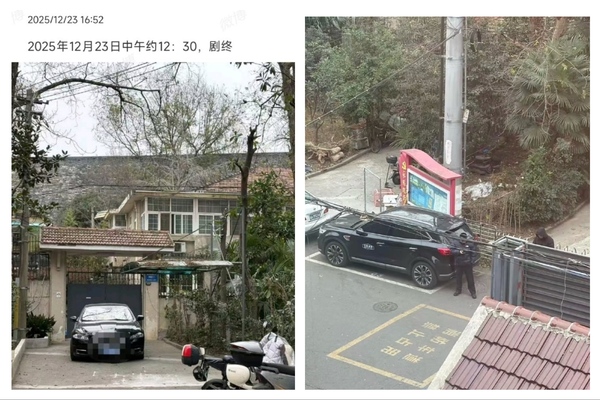
On the evening of December 23, 2025, “Asia Weekly” released a video showing that on the night of December 22 to noon on December 23, police surrounded Xu Huping’s villa for more than ten hours before taking Xu Huping, his wife, and the nanny away.
Investigations confirmed that in the 1990s, Xu Huping, who was then the executive deputy director of the Nanjing Museum, without strict appraisal and review procedures, illegally approved the transfer of five paintings, including “Spring in Jiangnan,” to the provincial Cultural Relics General Store for “forgery” and low-price sales. Some works later fell into the hands of internal employees and were sold at high prices in the market.
In addition to Xu Huping being expelled from the party, having his relevant retirement benefits canceled, and being sentenced, several responsible persons including the former Jiangsu Provincial Department of Culture, Provincial Cultural Relics Bureau, Nanjing Museum, and the original Provincial Cultural Relics General Store have also been dismissed, demoted, given serious warnings within the party, among other corresponding measures.