
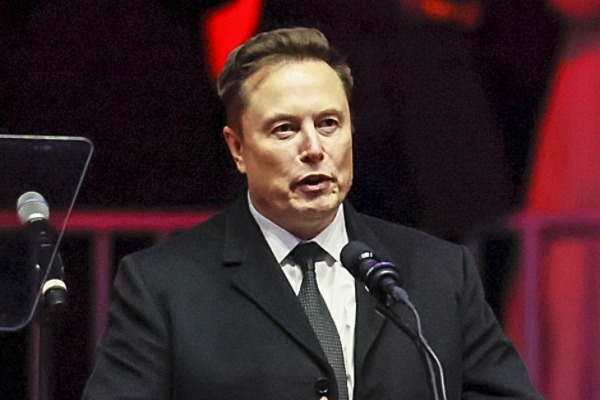
On Monday, September 14th, X Company under Elon Musk and SpaceXAI (formerly xAI, now SpaceX’s AI division) filed a motion with the federal court in the Northern District of Texas requesting the withdrawal of their antitrust lawsuit against Apple. Judge Mark Pittman approved the motion. The related charges against OpenAI will continue. The court documents did not specify the reason for the withdrawal, nor did they disclose whether the parties reached a settlement.
The lawsuit was filed in August 2025, alleging that Apple and OpenAI conspired to illegally monopolize the smartphone and generative AI chatbot market. The plaintiffs claimed that Apple integrated OpenAI’s ChatGPT “exclusively” into the Apple Intelligence feature of iPhones and other devices, violating antitrust laws, and used methods such as App Store rankings to squeeze out competitors (including X and Grok). The documents stated that Apple and OpenAI “locked the market to maintain a monopoly position and prevent innovators like X and xAI from competing.”
On the same day, OpenAI stated in court documents that they were not part of any agreement with Apple and were unaware of the terms, requesting X Company to provide the agreement details, as it could affect the charges and defense strategy in this case. Companies under Musk, Apple, and OpenAI did not immediately respond to media requests for comments.
In November 2025, Judge Pittman in the Northern District of Texas federal court rejected Apple and OpenAI’s motion to dismiss, ruling that the case could proceed, seen as an initial victory for Musk’s side. OpenAI and Apple both denied any wrongdoing. OpenAI accused Musk of launching a “lawfare” against them in court documents; Apple claimed that its integration with OpenAI was not exclusive and sought to dismiss the lawsuit.
The withdrawal of the claims against Apple is considered a “dismissal with prejudice,” meaning the plaintiffs cannot sue Apple again on the same claims in the future. The case against OpenAI will continue, with a trial scheduled to begin in January 2027.
In 2024, Musk filed another lawsuit against OpenAI, alleging that the company deviated from the original intention of “AI for the betterment of humanity rather than for profit” by converting the nonprofit organization into a for-profit entity, allowing individuals like Sam Altman and Greg Brockman to improperly profit. Musk sought around $150 billion in compensation and the resignation of relevant executives.
In May 2026, Judge Yvonne Gonzalez Rogers of the federal court in the Northern District of California (Oakland) accepted the jury’s decision, ruling in favor of OpenAI. The reason was that Musk’s lawsuit exceeded the statutory time limits (3 years for charitable trusts and 2 years for unjust enrichment). The jury only made a consultative decision on the timeliness issue, which the judge promptly adopted and dismissed the claim. Musk stated he would appeal, criticizing the focus of the ruling on “calendar technicalities” rather than the substance of the case.
(This article is based on reports from Reuters and CNBC)