
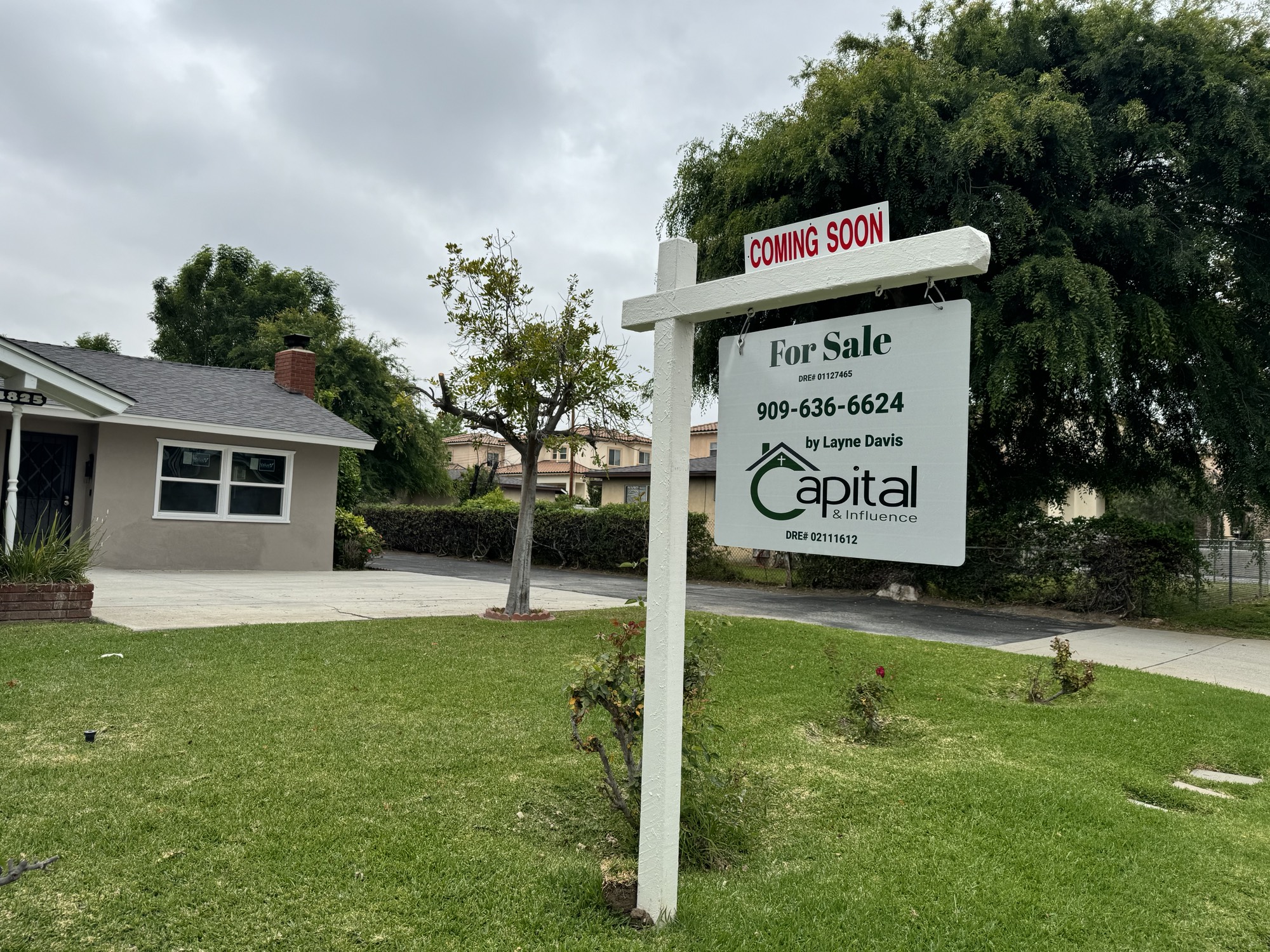
The average interest rate for 30-year fixed-rate mortgages in the United States rose to 6.66% on Thursday, reaching the highest level in a year, putting more pressure on potential home buyers.
Freddie Mac, a real estate financing institution, reported on Thursday that the average interest rate for 30-year fixed-rate mortgages increased from last week’s 6.58% to the current 6.66%, still lower than the 6.72% level a year ago.
The average interest rate for 15-year fixed-rate mortgages also rose from 5.96% last week to 6.04% this week. According to Freddie Mac data, a year ago, this average rate was 5.85%.
The 30-year long-term interest rates have been rising for four consecutive weeks to reach the highest point since the end of July 2025.
Sam Khater, Chief Economist at Freddie Mac, stated in a press release, “The housing market continues to benefit from more available inventory, providing potential home buyers with more choices and helping support buyer activity during fluctuations in mortgage rates.”
Mortgage interest rates are influenced by multiple factors, including the Federal Reserve’s interest rate policies, investors’ expectations for the economy and inflation in the bond market, and their trends usually follow the 10-year Treasury bond yield, which is an important reference for lenders in setting mortgage pricing.
As of Thursday afternoon, the 10-year Treasury bond yield was hovering around 4.66%.
Although the Federal Reserve does not directly control mortgage interest rates, its actions on interest rate policies will directly affect the 10-year Treasury bond yield, thereby indirectly impacting the level of mortgage interest rates.
On Wednesday, Federal Reserve policymakers voted 9-3 to maintain the target federal funds rate in the current range of 3.5% to 3.75%.
Anthony Smith, Senior Economist at Realtor.com, said, “Prospective home buyers, especially first-time buyers inclined to take on higher loans, are most susceptible to the impact of rising borrowing costs, while homeowners holding rates below 4% have little incentive to list their homes for sale and enter the current market. Although listed sellers are increasingly inclined to adjust prices to facilitate transactions, this locking effect continues to constrain inventory.”