
Several mainland Chinese banks, including Bank of China, issued large five-year fixed-term certificates of deposit again in July, marking the return of these high-value deposits to the market months after the discontinuation of such products. However, industry experts have pointed out that the reintroduction of the five-year fixed-term certificates of deposit is a temporary and individualized phenomenon, rather than a long-term reversal of trends.
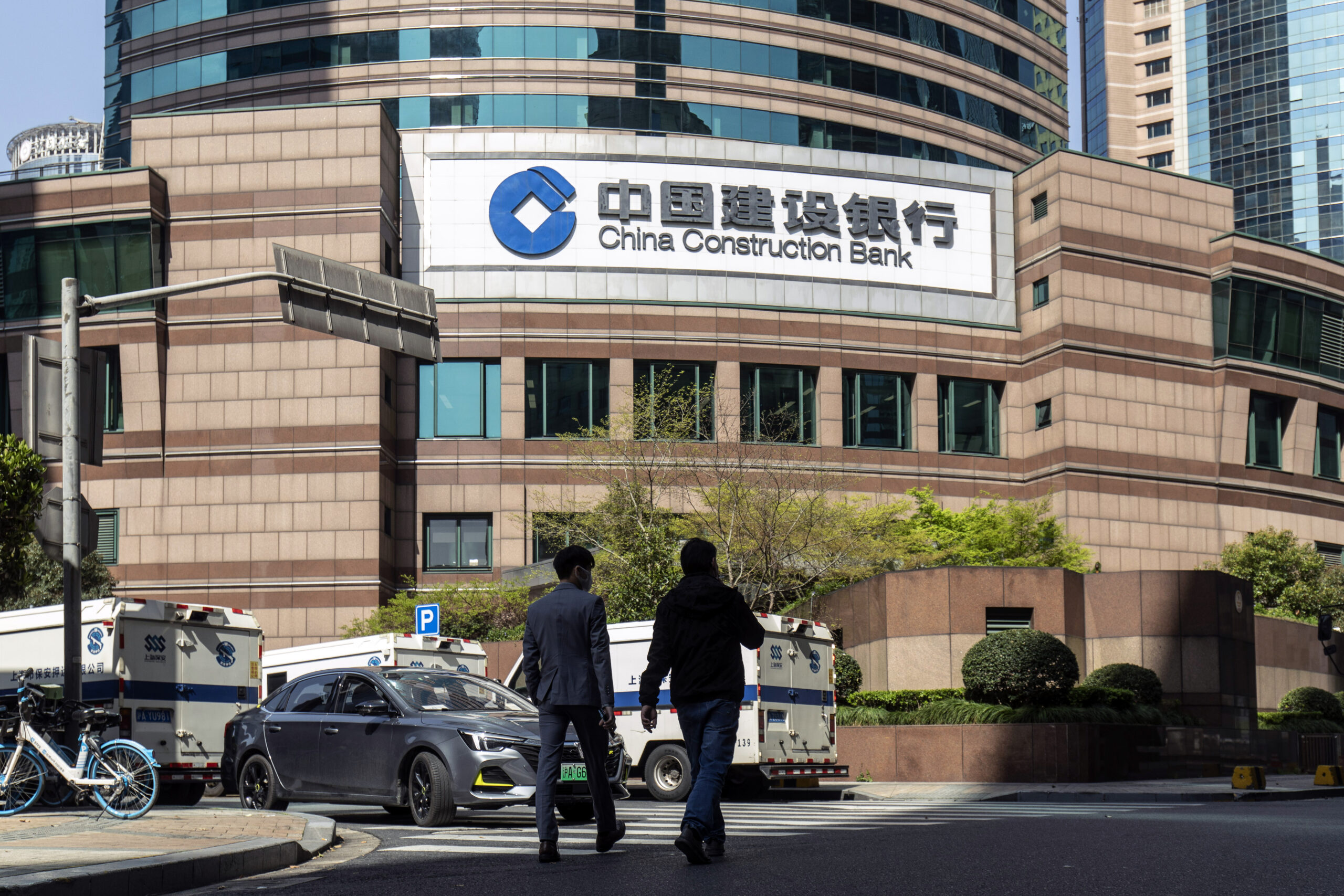
According to a report by “Caijing” on July 20, Bank of China took the lead in launching the first batch of individual large certificates of deposit for 2026 on July 1, covering various terms from one month to five years. The five-year fixed-term certificates of deposit start at 200,000 yuan, with a highest annualized interest rate of 1.60%. On July 8, Agricultural Bank of China issued five-year individual large certificates of deposit with a minimum threshold of 200,000 yuan and an annualized interest rate of 1.60%. On July 10, Construction Bank introduced two types of five-year individual large certificates of deposit with annualized interest rates of 1.55% and 1.60%, both starting at 200,000 yuan.
Following these three state-owned banks, the joint-stock commercial bank, Huaxia Bank, released the sixth batch of individual large certificates of deposit for 2026 on July 15, with deposit amounts ranging from 200,000 yuan to 1 million yuan and annualized interest rates of 1.75% to 1.80%. Minsheng Bank introduced three five-year products with deposits starting at 200,000 yuan and annual rates ranging from 1.75% to 1.79%.
Regarding the return of these large certificates of deposit to the market, Luo Feipeng, a researcher at China Postal Savings Bank, stated that the resumption of five-year fixed-term certificates of deposit by banks helps alleviate the pressure of deposit outflows.
Research from Huatai Securities shows that the scale of resident time deposits reaching maturity of over one year in 2026 amounted to 5 trillion yuan, an increase of 1 trillion yuan compared to 2025.
Data indicates that in the first half of 2026, household deposits saw a year-on-year increase of over 3 trillion yuan, while non-bank financial institutions witnessed a growth of 465 billion yuan in deposits. This suggests that residents’ funds are not flowing into consumption but shifting from time deposits to wealth management products like public funds, money market funds, and insurance.
Dong Ximiao, chief economist at Founder Securities, also believes that the reintroduction of five-year fixed-term certificates of deposit is a direct measure for banks to attract existing funds and ease the pressure of deposit outflows.
However, Luo Feipeng argues that the issuance of five-year fixed-term certificates of deposit by banks is a differentiated arrangement based on their own debt structure, not a reversal of industry trends. It should not be interpreted as a rebound in interest rates, as the downward trend in interest rates has not changed.
Dong Ximiao also points out that the current net interest margin of banks has fallen to a historical low of 1.40%, and extending the duration of deposits will exacerbate the pressure on debt costs. Additionally, the trend of shortening duration in the industry by the end of 2025 has not been reversed, and major banks lack comprehensive follow-up momentum. However, small and medium-sized banks with weak brand influence and single customer acquisition channels may be forced to follow suit in issuing similar five-year fixed-term certificate of deposit products to prevent deposits from being diverted to larger banks.
In November and December 2025, six major state-owned banks, including ICBC, ABC, BOC, CCB, BCM, and PSBC, successively stopped selling or completely took down individual large certificates of deposit with a five-year term. Although three-year fixed-term certificates of deposit were not entirely removed, the quotas were extremely tight. Entering 2026, privately-owned banks like Zhongguancun Bank, Sanxiang Bank, and local rural banks have successively announced the suspension of three-year and five-year fixed-term deposits.