
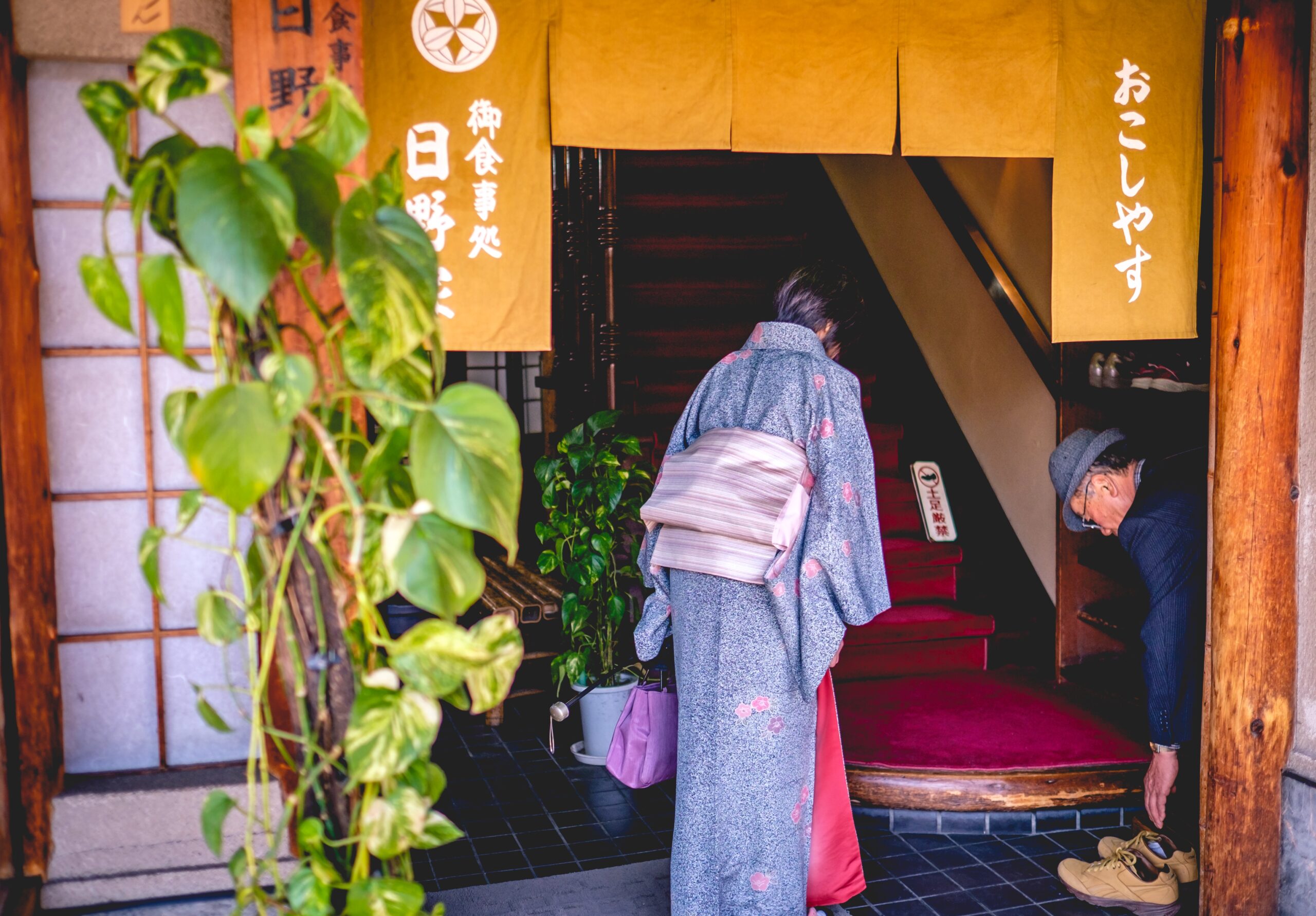
When traveling in Japan, if you have the opportunity to visit a private residence, you must take off your shoes, as “removing shoes before entering a room” is a deeply rooted custom among the Japanese. It’s not just in residential homes, but also in other places that visitors may be asked to remove their shoes. Therefore, before heading to Japan, it’s best to understand when and where you should take off your shoes to avoid any embarrassing situations.
According to the Japan Living Guide website, in Japan, people consider “taking off shoes before entering a room” important for various reasons, but the main ones are cleanliness and respect.
– **Maintaining Cleanliness**: Removing shoes at the entrance helps to keep the indoor environment clean by leaving outside any dirt on the soles of shoes. This is particularly crucial in Japan because traditional tatami flooring is prone to damage and stains that are difficult to remove. Additionally, during Japan’s rainy season with high humidity, it’s essential to prevent mold and excessive moisture from being tracked indoors by taking off shoes.
– **Expressing Respect**: Following traditional customs in Japan, not removing shoes when entering someone else’s home could be seen as impolite. Even though modern societal norms are not as strict, insisting on wearing shoes in inappropriate settings may still be considered rude or disrespectful.
It’s a common practice in traditional Japanese homes or any place with tatami flooring to require guests to take off their shoes. Usually, you’ll see a “genkan” at the entrance, a raised area indicating where shoes should be removed. Pay attention to shoe racks or others already being shoeless; if unsure, hosts usually make it clear that shoes should be taken off before entering indoors.
Places where you should take off your shoes include:
– **Private Residences**: Whether visiting family, friends, or even strangers in Japan, it’s customary to remove shoes when entering someone’s home.
– **Shrines and Temples**: While not all may enforce shoe removal, those that do typically have designated areas and shoe racks for storage, particularly before entering the main halls.
– **Restaurants**: Some traditional restaurants may ask patrons to take off their shoes, often featuring tatami flooring or seating arrangements on cushions.
– **Traditional Stores**: Establishments with a focus on traditional culture, like kimono shops, might also require shoe removal.
– **Hot Springs and Public Bathhouses**: Besides the obvious practice of taking off shoes before entering the bathing areas, in Japan, shoes are usually removed at the building entrance rather than in the changing rooms. Many onsens also have tatami flooring, necessitating cleanliness and dryness.
Aside from knowing when and where to remove shoes, understanding shoe etiquette is crucial:
– Wear clean, presentable socks without holes.
– Choose shoes that are easy to slip on and off.
– Neatly place shoes on a shoe rack or designated area.
Additionally, according to the Inside Kyoto travel website, most hotels, public, or commercial buildings in Japan do not require guests to remove their shoes. A simple rule of thumb to decide whether to take off your shoes is if there are steps to go inside a building, you’ll likely need to remove your shoes.
When needing to take off your shoes, step onto the edge of the raised floor or wooden plank, slip your feet out of the shoes before stepping on it, and avoid standing on it with your shoes on. Place your removed shoes on a shoe rack nearby.
A common mistake people make is taking off their shoes far from the raised floor or plank, then walking barefoot or in socks to it. This brings dirt onto the raised surface, compromising cleanliness within the building.