
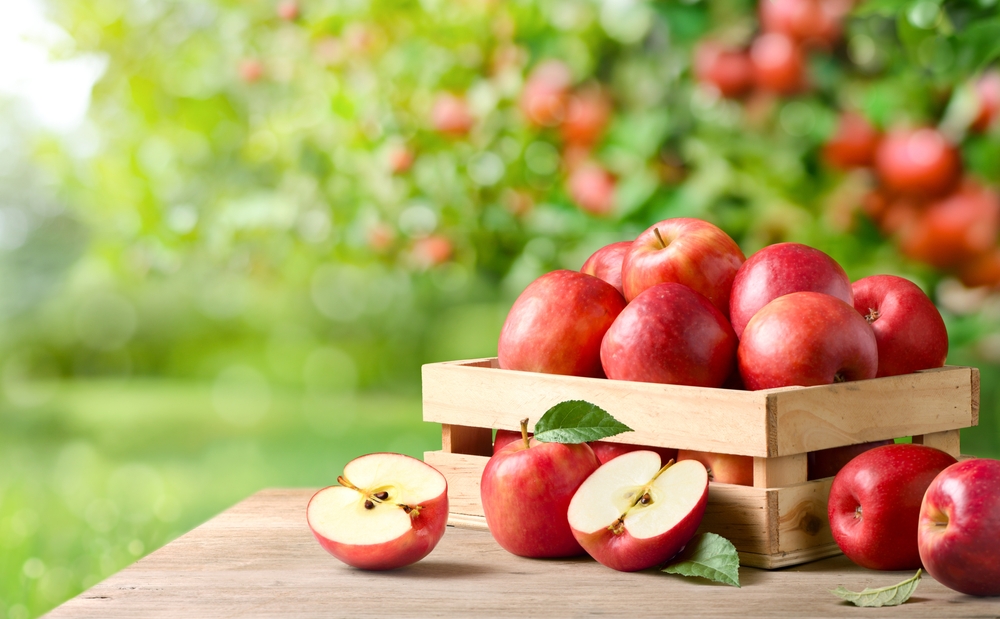
Recently, a highly controversial “Apple specialty store” has appeared on the streets of Shanghai, selling outrageously expensive edible apples and sparking discussions on social media.
Reported by the “Hangzhou Daily,” the store named “μήλο” (meaning “apple” in Greek) is located on Xiangyang South Road, near the Inner Ring in Shanghai, and exclusively sells apples and apple juice.
According to the product list posted by netizens, the store offers over 20 varieties of apples for sale, including common ones like Fuji and Qin Crisp sold by weight in regular markets, as well as premium apples like Wanglin, Aifei, Aomori, and Shangri-La displayed in glass cases and sold individually at high prices. One such apple, the “Yunnan Red Rose,” is priced at 399 yuan per piece, while the “Apple Remix9 Seasonal Set” is sold for 3591 yuan, prompting netizens to humorously refer to it as the “Hermès of the fruit world.”
The “Yunnan Red Rose” apple is described as “sweet but not crispy,” with a sweet-sour ratio marked as “9 parts sweet to 1 part sour.” One of its unique features is that it is meant to be eaten with the skin on and is “pre-washed,” allowing for direct consumption. In terms of texture, the official recommendation suggests that it maintains its crispness within two days of leaving the store and can be refrigerated for up to four days.
It is worth noting that the same “Yunnan Red Rose” apples are sold on e-commerce platforms at prices ranging from 19.9 yuan to 30 yuan per kilogram, while this physical specialty store in Shanghai prices a single apple at 399 yuan, indicating a significant price difference between the two.
In addition to the “Yunnan Red Rose,” the store also offers the “Shangri-La Special Selection” (with a note of “rose fragrance”) priced at 293.1 yuan per piece.
However, the actual quality of these high-priced apples has been called into question. Some consumers have expressed that the apples themselves have a mediocre taste, with even a careful tasting failing to highlight any distinctive flavors.
Another consumer mentioned that the “Lychee-flavored” apple she purchased was not much different from a regular apple, stating she “couldn’t taste the lychee flavor at all.” These “rarely seen” products rely on curiosity and the desire to “satisfy immediate psychological needs,” rather than their cost-effectiveness. Although a few consumers acknowledged that the experiential and taste qualities were “slightly better than regular apples.”
Professor Xu Shuangmin from the School of Public Administration at South-Central University of Finance and Law, commented that where there is demand in the market, there will be a corresponding supply. Different consumer groups have diverse consumption needs, and such high-priced products cater to the requirements of some consumers, explaining why there is a market for them. Furthermore, the store’s decision to set higher prices may be a marketing strategy to attract foot traffic and enhance the store’s reputation through premium pricing tactics.