
In the face of the pressure on household daily grocery expenses felt by many families, the question of which American supermarket is the cheapest is often raised. A recent survey has revealed a ranking, and surprisingly, Walmart is not at the top.
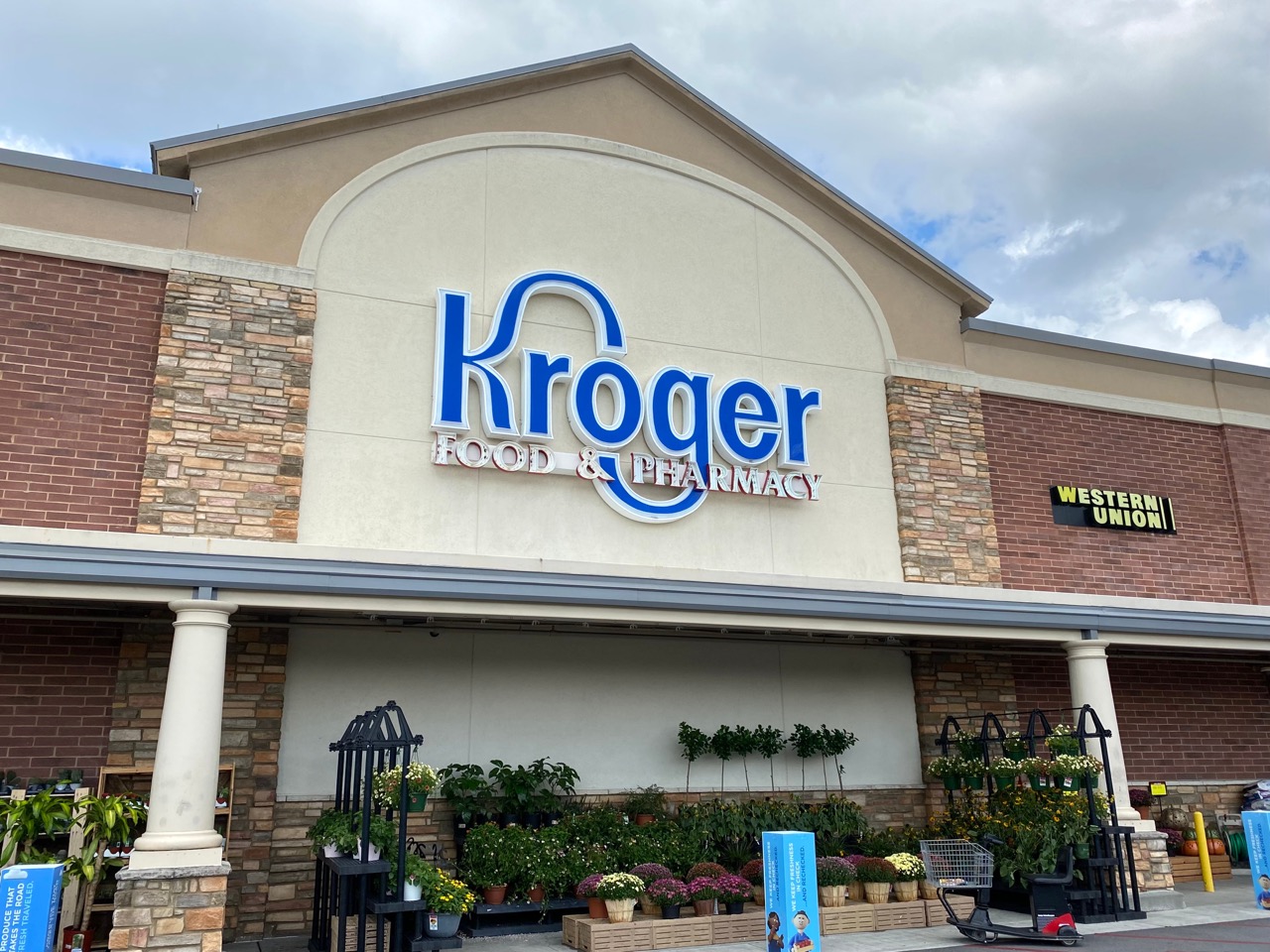
According to a report by the New York Post on Sunday, a recent survey conducted by Restaurant Furniture Plus, a US restaurant furniture retailer, showed that Kroger’s “private label shopping basket” had the lowest total price among the four major chain supermarkets: Walmart, ALDI, Kroger, and Albertsons, making it the most cost-effective supermarket.
Researchers compared the prices of 15 essential own-brand products from the four supermarkets using online shopping, including 1 gallon of milk, bread, a dozen eggs, chicken breast, pasta, canned beans, baking supplies, among other items.
The results showed that Kroger, based in Ohio, ranked first with a total shopping basket price of $30, with the lowest prices for 10 out of the 15 products, outperforming the other three chains.
Kroger currently operates around 1,229 stores in 16 states across the US, offering the lowest prices for products like diced tomatoes, pasta, granulated sugar, and jumbo eggs, among others.
Walmart came in second place with a total basket price of $30.95, while ALDI ranked third at $33.15. The study particularly highlighted the value for money of ALDI’s own-brand dairy products. Albertsons secured fourth place with a basket total of $35.58.
Costco and Trader Joe’s were not included in this survey. Researchers noted that Trader Joe’s was excluded due to not offering some comparative products, while Costco’s bulk packaging sales model made it difficult to do price comparisons on individual items, hence not being considered in the study.
Moreover, regional chain supermarkets familiar to Texas consumers such as H-E-B and Piggly Wiggly were also not part of the survey.
At the time of the release of this survey, Americans continue to feel the pressure of monthly grocery expenses. A study released by the Urban Institute on July 14 indicated that over the past five years, US food prices have increased by 32%, with more than a quarter of the working-age population relying on credit cards to cover daily grocery expenses.
The report also pointed out that grocery expenses are one of the largest budget items for families. The cost of food has risen significantly over the past five years, making food affordability one of the most concerning issues for many households.