
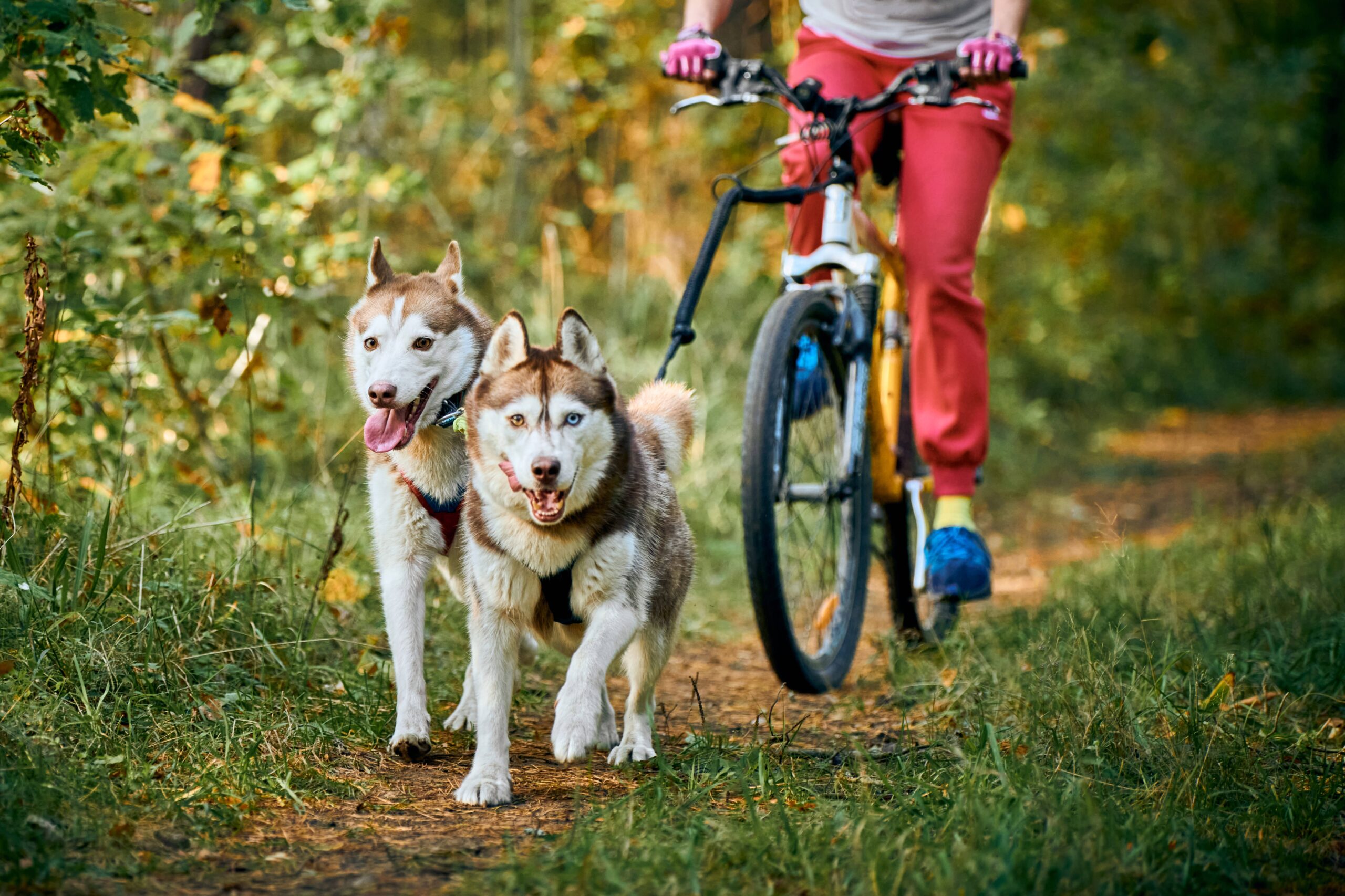
Dog owners may take their beloved pets out for a walk every day. This routine dog-walking not only enhances the physical and mental health of the dog but also helps strengthen the emotional bond between humans and dogs. Apart from paying attention to the dog’s behavior during walks to avoid any potential dangers, dog owners should also check their furry friend’s coat post-walk. Why is that?
According to a report from the UK’s “Daily Express,” a veterinarian and influencer named Amir frequently shares tips on dog care on social media. He recently highlighted three things to be mindful of during dog walks.
He mentioned that dogs are very sensitive to human body language and energy. Therefore, if you are easily excitable or anxious, your furry companion will unconsciously sense it.
Amir recommends that owners should try to remain calm, especially in situations that may trigger stress when interacting with their dogs, to prevent transmitting anxious emotions to them.
Previous research has found that dogs with a keen sense of smell can detect the scent of stress in humans, which can influence their behavior, leading to more pessimistic choices.
Amir’s second advice is not to assume that a dog’s slow movements are solely due to aging. While aging can result in slower movements, sluggishness in some cases may be caused by heart disease or arthritis pain. It’s best to have them checked by a veterinarian.
As for the third point of attention, Amir believes that dogs need both love and clear boundaries. Love alone is not enough for their healthy development.
He said, “Combining love and kindness with clear rules and a structured routine is essential to ensure the dog’s growth and happiness.”
Martin Forshaw, the head of the UK pet grooming supplier “Diamond Edge,” mentioned that pet groomers often encounter issues caused by grass seeds during their daily work.
Grass seeds have sharp barbs and can only move in one direction. Once they enter an animal’s paw, ear, or other body parts, they continue to move inward, potentially penetrating tissues or organs, leading to severe infections and abscesses.
Forshaw cited an example where groomers found grass seeds between a dog’s toes during grooming, and these seeds may have been lodged there for a week. The owners had noticed their dog licking their feet occasionally but didn’t think much of it.
Dogs with dense fur on their feet, long ears, or heavy coats in summer are at higher risk of grass seed issues, such as Cocker Spaniels, Springer Spaniels, and more.
Forshaw suggests checking for grass seeds after every walk rather than waiting until grooming appointments.
If you suspect grass seeds have entered your dog’s ears, eyes, or nose, be sure to contact a veterinarian. Regular grooming appointments where the groomer trims the hair around the dog’s paws and ears can help reduce this risk.
Forshaw added, “Owners can request a check for grass seeds during routine grooming, but this is not a request many owners proactively make.”
The UK Kennel Club pointed out that the most common areas for grass seed invasions in dogs are the paws and ears, but other parts of the body may also be at risk.
Regarding the paws, grass seeds often get lodged between a dog’s toes, easily penetrating the thin, soft skin when attached to the furry, delicate coat, drilling deep into the highly sensitive tissues of the foot, leading to severe pain, discomfort, infections, and sudden limping.
As for the ears, due to their unique shape and one-way movement, grass seeds can travel inward from the hair around the ear flaps, ultimately getting stuck on the delicate surface of the eardrum.
Signs that a dog is affected by grass seeds include head shaking, licking paws, showing signs of discomfort, lethargy, apparent pain, etc. If your dog displays any of these signs, please contact a veterinarian immediately.