
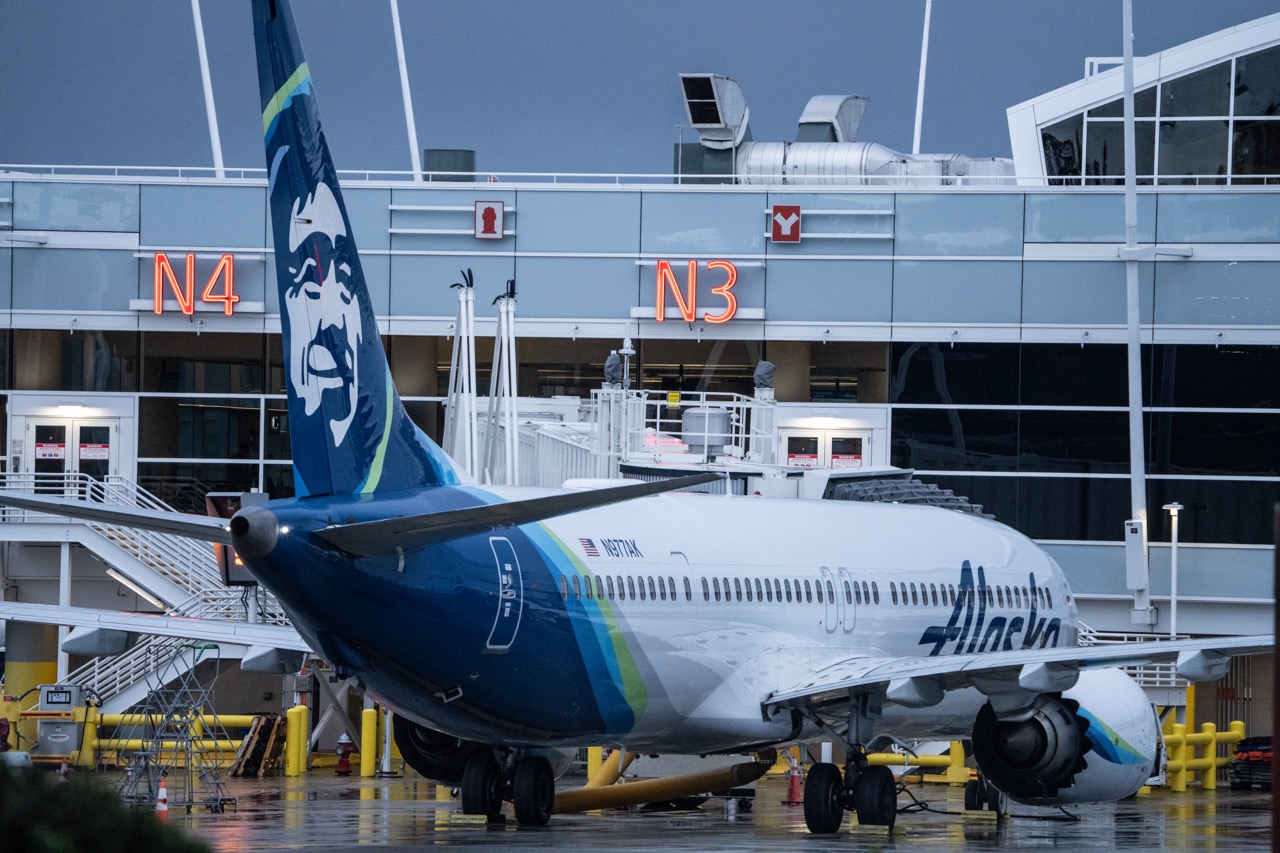
On July 27, the Federal Aviation Administration (FAA) of the United States issued an Airworthiness Directive regarding potential seat installation issues on Boeing 737 MAX series aircraft, requiring airlines to conduct comprehensive inspections.
According to the notification received by the FAA, some of the sliding passenger seats on the 737 MAX aircraft have aft fitting shear plungers that have not fully descended and locked into the floor tracks. This means that these seats are not securely fastened to the floor.
The FAA explained that improperly secured seats could detach directly from the tracks during strong turbulence, increased loads, or emergency landings, posing risks of injury to passengers and crew members, and potentially blocking aisles and impeding evacuation procedures.
As per FAA data, this directive currently affects 453 Boeing 737 MAX aircraft registered in the United States. Since the 737 MAX is a widely used aircraft globally, it is expected that other countries’ aviation authorities, such as the European Union Aviation Safety Agency (EASA), will also follow up on this inspection requirement soon.
The draft from the FAA mandates that airlines must conduct a detailed inspection of the sliding track seats on both sides of the cabin to ensure each seat is properly locked into the track.
FAA estimates that each aircraft may have up to 69 sets of sliding track seat components affected. If incorrect installations are found, repairing each seat component would require approximately 1 work hour, with a maintenance cost of around $85 per seat.
A spokesperson from Boeing stated that the company issued operational guidelines to airlines regarding this issue in December 2025, and they support the FAA’s decision to make those guidelines mandatory.
From the data and processing procedures perspective, this incident falls under regulatory authorities’ “preventive clearance.” The FAA identified potential assembly process flaws and, before any severe casualties occurred, mandated airlines to conduct comprehensive inspections to address the issue proactively.