
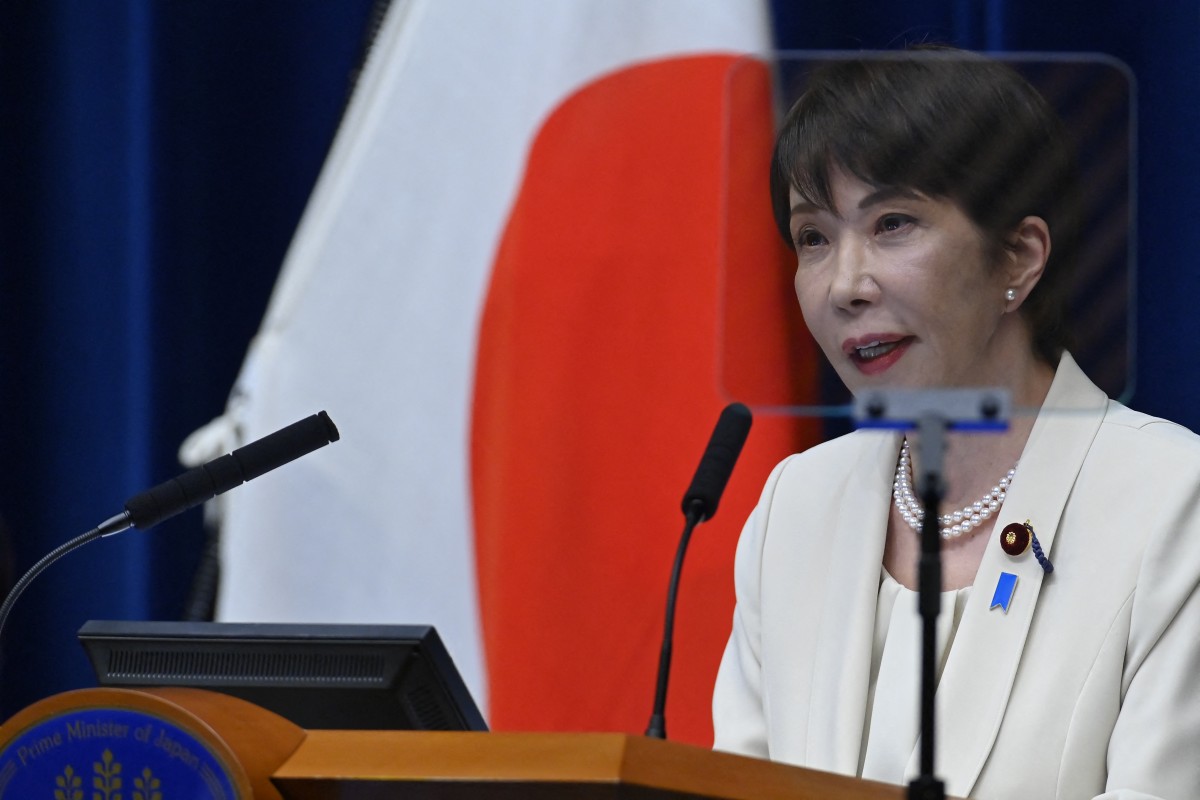
Japan’s Prime Minister Sanae Takaichi announced on Thursday (July 30) a plan to reduce the consumption tax on food from the current 8% to 1% starting from April 2027, lasting for two years. The government aims to lighten the burden of food consumption by providing subsidies to middle and low-income groups. The official proposal is expected to be finalized in early August, and relevant bills will be submitted to the parliament in the fall.
At a meeting of the ruling Liberal Democratic Party on the same day, Prime Minister Takaichi called for immediate action within the party to initiate the necessary legal revisions, hoping to solidify the government’s policies in early August.
Following the meeting, LDP Secretary-General Shunichi Suzuki stated that Takaichi has emphasized the implementation of tax reduction measures without relying on issuing deficit government bonds, ensuring the necessary financial resources.
According to the plan, starting from April 1, 2027, Japan’s food consumption tax rate will decrease from the current 8% to 1% for a two-year period. To offset the remaining 1% tax burden, the government plans to provide subsidies to middle and low-income groups, further reducing the food consumption costs for eligible individuals.
Japan has increased consumption tax rates multiple times since its introduction in 1989. In 2019, the standard tax rate was raised to 10%, while food (excluding alcoholic beverages and dining out) was first subjected to a reduced rate of 8%. If this current proposal is approved by the parliament, it will mark Japan’s first reduction in the consumption tax rate.
This proposal has been included in the midterm report released by the bipartisan “Social Security National Conference.” The report suggests that Japan will officially establish a new subsidy system linked to income in the fiscal year 2029, with the two-year food tax reduction serving as a transitional arrangement before the implementation of the formal system to alleviate the pressure of rising living costs.
The Japanese government plans to finalize the policy formulation in early August and submit relevant bills to the extraordinary session of the parliament in the fall. If approved by the parliament, the measures will be officially implemented from April 2027.
Takaichi stated that after comprehensive evaluation, reducing the food consumption tax to 1% is currently the “best option,” urging the Liberal Democratic Party to promptly consolidate internal opinions and cooperate with the government to advance the legislative process.
As the consumption tax is a crucial source of revenue for Japan’s social security, there have been differing opinions within the LDP regarding the tax reduction proposal. The controversy mainly revolves around balancing the reduction of public burden and maintaining fiscal discipline. Some lawmakers advocating for fiscal discipline are concerned that Japan’s debt size ranks amongst the highest in the major economies globally, and reducing taxes may further exacerbate financial pressures.
According to a report by the Yomiuri Shimbun, former Foreign Minister Taro Kono publicly expressed opposition to the tax reduction on the 30th, stating that the government has yet to propose alternative sources of revenue sufficient to fill the tax revenue gap. He recommended prioritizing the limited fiscal resources to provide targeted subsidies to families with children and other groups instead of across-the-board reduction of the food consumption tax.