
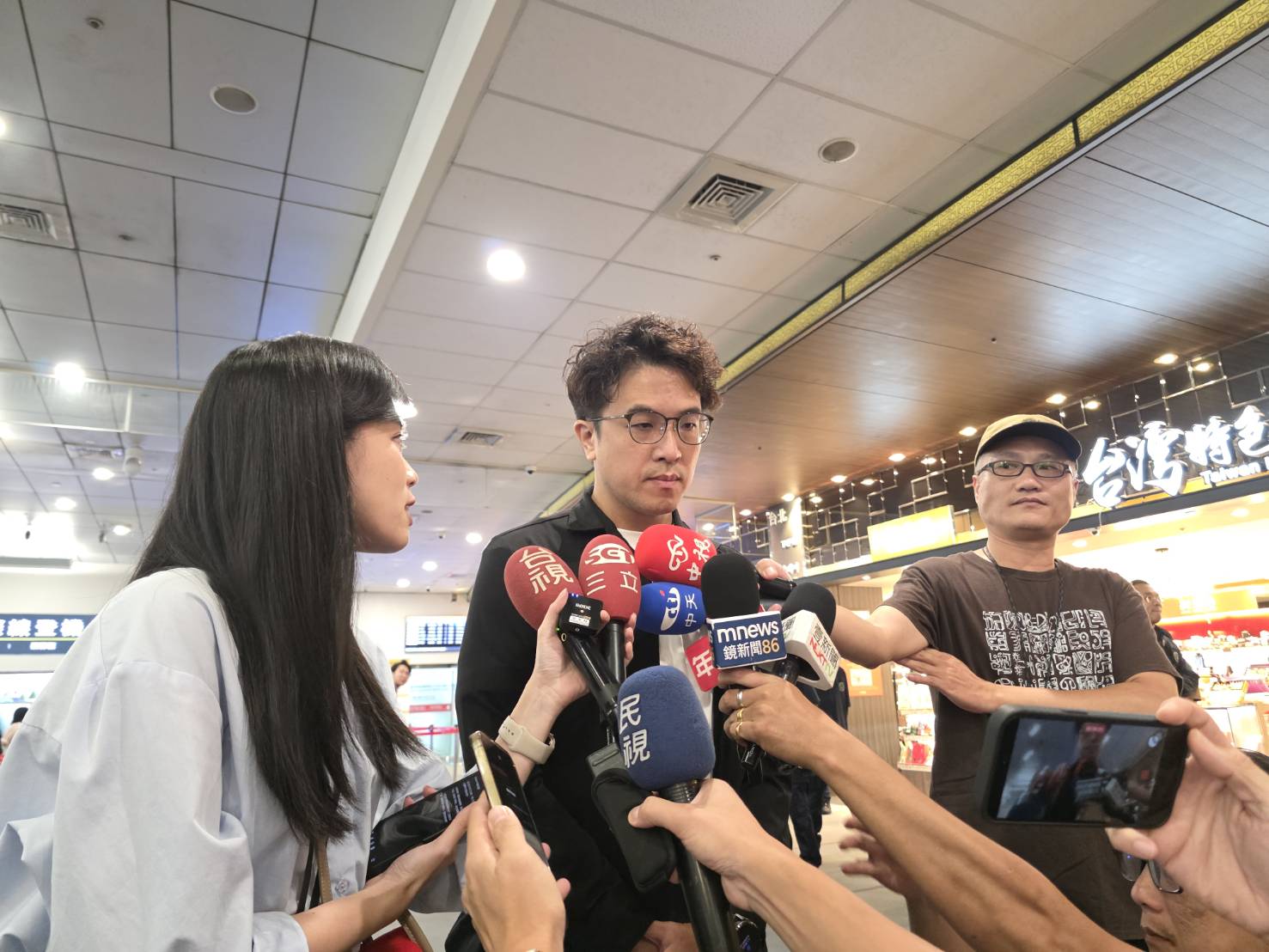
Taiwan’s upcoming 2026 nine-in-one elections are fast approaching, with a total of six candidates vying for the position of Taipei Mayor. Among them are the incumbent Mayor from the Kuomintang, Jason Hsu, and the Democratic Progressive Party’s designated legislator, Shen Boyang. Experts point out that Shen Boyang’s recent interview on a popular blue-leaning radio program on the 10th of November has generated significant online engagement and discussion. He expressed his hope for political figures from both blue and green camps to participate in each other’s programs without animosity, aiming to strengthen Taiwan’s democracy.
On the 28th of November, Taiwan is set to hold the nine-in-one local elections as well as a nationwide referendum. During a public security meeting on the 10th, Premier of the Executive Yuan, Tai Ming-tai, emphasized the importance of maintaining security ahead of the elections by urging investigative, police, regulatory, and ethics agencies to intensify efforts in combating bribery and violence, while also guarding against interference from foreign forces, election betting markets, and fake news that could compromise the neutrality and outcome of the elections.
The registration deadline for the 2026 Taipei mayoral race has already passed on the 4th of November. According to the Taipei City Election Commission, a total of six candidates, including Jason Hsu from the Kuomintang, Shen Boyang from the Democratic Progressive Party, Guo Xi from the Taiwan Mahjong Party, Xiao Wenqian from the Taiwan SoR Impassable Party, Tang Xinmin from the Tri-Power Unity Promotion Alliance, and Lin Zhicheng, an independent candidate, are in the running.
The Executive Director of the Indo-Pacific Strategic Think Tank, Akio Yaita, shared on social media that Shen Boyang’s recent interview on the radio program hosted by Wang Weizhong had garnered over 1.44 million views on YouTube within just two days (currently at 1.74 million views). This interview has been hailed as one of the highest in terms of online engagement and discussion among recent interviews with Taiwanese political figures.
Reflecting on the dynamic exchange between Shen Boyang and Wang Weizhong, Yaita noted that despite their differing political stances, the interview maintained a level of intensity akin to a sports match. Wang Weizhong continuously probed Shen Boyang on challenging topics rather than simply supporting him, leading to a dynamic and engaging interaction between the two.
Yaita praised Shen Boyang’s adept handling of questions during the interview, particularly when addressing the complex issue of cross-strait relations. While Wang Weizhong advocated for increased cross-strait exchanges and furthering initiatives like the Taipei-Shanghai Forum, Shen Boyang was forthright in highlighting the importance of equality in exchanges and raised concerns about political preconditions from mainland China.
Continuing, Yaita underscored the significance of political candidates engaging in programs that challenge their beliefs and abilities, asserting that such interactions contribute to a healthier and more mature democracy in Taiwan. He encouraged political figures, regardless of their affiliations, to participate in debates and discussions across party lines while maintaining a spirit of respect and understanding.
In conclusion, Yaita commended both Wang Weizhong and Shen Boyang for their courage and openness during the interview, emphasizing the importance of fostering dialogue and mutual understanding in Taiwan’s political landscape.