
SpaceX CEO Elon Musk responded to a netizen on X platform on Sunday (September 13th), expressing strong confidence that the company will send the NVIDIA Vera Rubin NVL72 artificial intelligence (AI) computer into space next year.
This announcement follows Musk’s statement during an earnings call on August 4th that SpaceX will be “fully transitioning to the NVIDIA architecture.” Musk emphasized that Vera Rubin is the optimal architecture with its cable-free rack design outperforming traditional solutions.
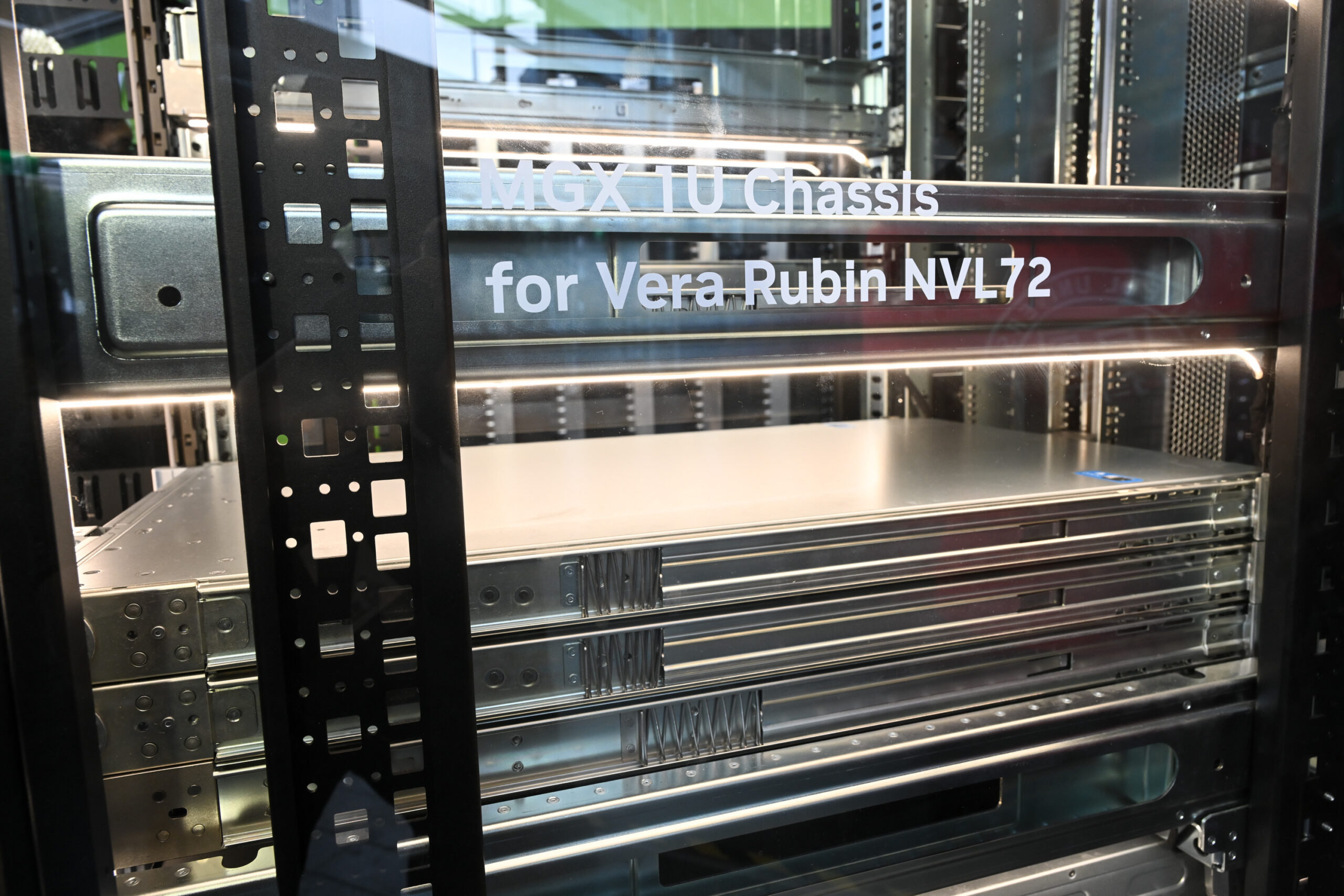
According to information on the NVIDIA official website, the NVL72 is a cabinet-level artificial intelligence supercomputer platform that integrates 72 graphics processing units (GPUs) and 36 central processing units (CPUs) into a single large GPU. The complete cabinet weighs approximately 1.3 to 1.8 metric tons with a power consumption of around 120 kilowatts.
The system is equipped with ConnectX-9 super network cards and BlueField-4 data processors, consisting of 18 compute trays and 9 NVLink exchange trays.
Power for the satellite is provided by a solar array of about 210 kilowatts, and cooling is achieved through a liquid cooling system that emits heat through radiators into space.
Regarding transport deployment, the SpaceX Falcon 9 can deliver 22,800 kilograms of payload to low Earth orbit, with a fairing height of 13.1 meters and a diameter of 5.2 meters, capable of launching multiple racks in one go.
Currently, SpaceX and NVIDIA have a close relationship. In January of this year, NVIDIA invested $10 billion in xAI’s Series E financing. In February, SpaceX acquired xAI in an all-stock transaction, valuing the company at $1.25 trillion.
Following SpaceX’s initial public offering in June, NVIDIA held around 122.8 million shares, with a market value reaching approximately $21 billion.
Additionally, while training the Grok series models, xAI has consistently used NVIDIA’s Hopper and Blackwell chips.
The orbital artificial intelligence data center project is still in its early stages, with actual launch progress and engineering challenges (including cooling and radiation resistance) awaiting further verification.