
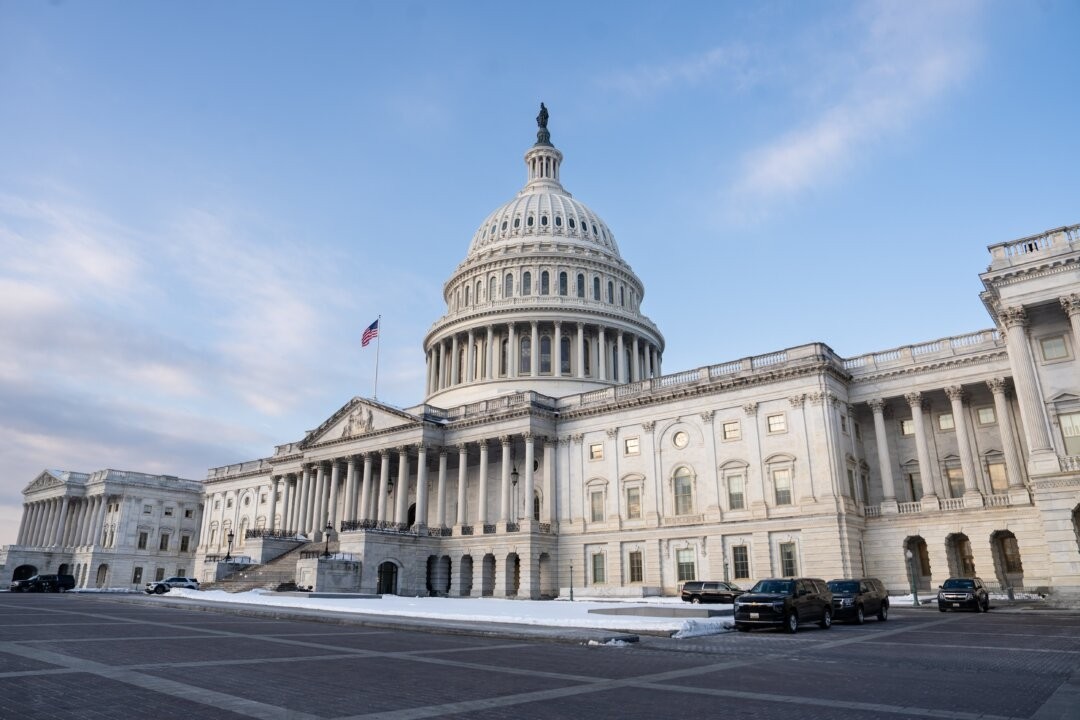
The U.S. Senate negotiation representatives are currently discussing legislation that would require technology companies to take responsibility for designing secure AI products. According to two Senate aides who spoke to the media on Friday, if the U.S. government wishes to prevent the release of these products, tech companies can seek intervention from federal courts.
Recently, there have been frequent reports about AI agents and intelligent systems deviating from human commands, infiltrating external systems, along with warnings from AI researchers who have left top companies about the potential dangers of this technology. This has prompted calls from various quarters for the U.S. government to strengthen regulatory oversight through legislation.
According to Reuters, the proposed bill would establish a “duty of care” for AI developers, requiring companies to design products with the goal of preventing “catastrophic risks.”
The aides revealed that the negotiators aim to give the U.S. government the power to block the release of unsafe AI models, with relevant companies being able to challenge this in federal court. However, the extent of the government’s authority is still under discussion.
The bill will also reportedly prohibit individual states from independently enacting laws targeting specific risks posed by AI models. Examples of such risks include malicious individuals using AI systems to design nuclear or biochemical weapons.
They also indicated that all details are still under negotiation and that the future legislation will apply to advanced AI companies like Google, Anthropic, and OpenAI.
The proposal is being discussed by Senate Majority Leader John Thune (Republican of South Dakota), Senate Commerce Committee Chairman Ted Cruz (Republican of Texas), and Democratic Senator Amy Klobuchar from Minnesota.
Senator Maria Cantwell, the chief Democratic member of the Senate Commerce Committee overseeing the U.S. Department of Commerce (which has internal AI security researchers), has also expressed her views on this legislation.
On September 9, Cruz posted on his social media platform X, stating, “Given the astonishing pace of AI development, which contains many terrifying and dangerous risks, I am currently working with Klobuchar and Thune to push for new legislation to address catastrophic risks involving biological or nuclear threats. At the same time, ensuring that the U.S. can maintain leadership in the field of AI and prevent threats to global security led by the CCP.”
Klobuchar told Reuters, “I am continuing to work towards bipartisan consensus to empower the government to regulate the risks posed by AI through legislation, while calling for developers to collaborate with government experts to verify and test AI models to ensure their safety.”
On September 10, Cantwell stated on X, “I believe meaningful legislation should require the most powerful AI models to undergo testing by experts from national laboratories to assess whether they could lead to complex cyber attacks, aid in the development of nuclear weapons, or biochemical weapons.”
According to Politico and Nextgov, negotiations are still marked by significant differences and are not yet finalized.
This is because Klobuchar, Thune, and Cruz’s versions lean towards a “duty of care” combined with self-risk management by companies and disclosure to the Department of Commerce, with the government able to seek injunctions through the courts.
However, Cantwell prefers mandatory testing by national laboratories and national security agencies, fearing that the current version could establish “weak federal standards” and weaken state law protections.
Moreover, even if negotiators reach an agreement, congressional scheduling could complicate the passage of the bill. Due to the upcoming elections on November 3, the House has only about a week of session left, and the Senate is expected to have only three weeks remaining.
In response, Thune’s spokesperson declined to comment on the negotiations. The proposal is still under discussion and has not been formally proposed or passed as a bill at this stage.