
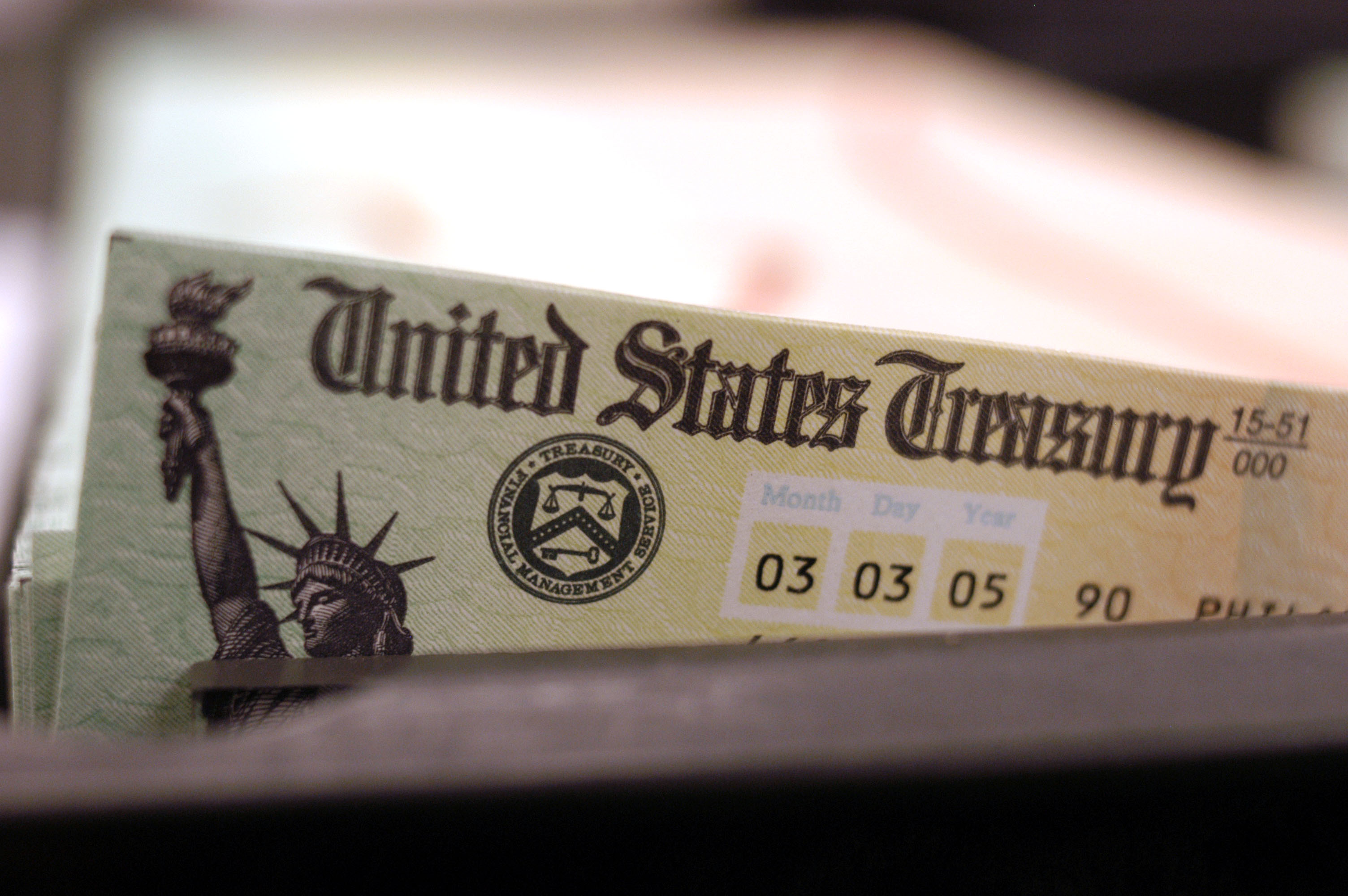
The yield on long-term U.S. treasuries continues to rise. On Tuesday, August 18, the yield on the 30-year U.S. Treasury bond briefly rose to around 5.32%, reaching the highest level since 2007. With oil prices surpassing $90 per barrel and inflation risks increasing, the global bond market is facing a new round of selling pressure.
According to Reuters, the yield on the 30-year U.S. bond reached a high of 5.323% to 5.327% during trading, before retreating slightly. The yield on the 10-year U.S. bond rose to about 4.74% at one point, while the 2-year yield rose to around 4.20%.
The 10-year U.S. Treasury bond is widely considered a key long-term interest rate benchmark in the global financial markets, with its yield changes impacting mortgages, car loans, corporate financing, and other borrowing costs. In contrast, the 2-year Treasury bond yield is more sensitive to market expectations regarding the short-term interest rate policy of the Federal Reserve (Fed).
The increase in U.S. bond yields this time is closely related to the resurgence in energy prices. Crude oil prices rose above $90 per barrel on Tuesday, raising concerns in the market about a potential energy supply disruption due to escalating tensions between the U.S. and Iran and shipping risks in the Strait of Hormuz, further driving up inflation.
Kjersti Haugland, Chief Economist at DNB Carnegie, told Reuters that the bond market is entering a period different from the past decade.
After the global financial crisis in 2008, the global economy remained in a low-interest, low-inflation environment for an extended period, allowing governments and businesses to borrow at relatively low costs. However, uncertainties surrounding inflation, interest rates, and government fiscal outlooks have all increased now, leading to heightened upward risks in the bond market.
This shift is not unique to the United States. Major economies like the U.S., Japan, France, and the U.K. all face higher levels of government debt, which means that with interest rates staying elevated, governments need to bear increased interest expenses and refinancing pressures.
In other words, what used to be a decade of “cheap money, low borrowing costs” may now be transitioning to a new phase where “funding costs are higher, and governments need to borrow heavily.”
Aside from inflation factors and government borrowing demands, the massive investments in the Artificial Intelligence (AI) industry are also affecting financial markets.
Vasu Menon, Managing Director of Investment Strategy at OCBC Bank, stated that major tech companies and “hyperscalers” in the AI industry are investing billions in constructing data centers, purchasing chips, and expanding power and network infrastructures. These investments require substantial funds, to some extent increasing the demand for corporate bonds and other financing markets.
While long-term U.S. bond yields are rising, bond markets in other major economies are also under pressure.
In Japan, the yield on the 10-year government bond rose to about 2.90% in July this year, reaching the highest level since 1996. At that time, the market was similarly influenced by rising oil prices, inflation risks, and Japan’s fiscal situation.
In Europe, the long-term government bond yields of Germany, France, and the U.K. have also been at multi-year highs recently. The synchronized weakening of global bond markets shows that investors are reevaluating the risks of inflation, government debt, and long-term interest rates.
According to Haugland, this marks a shift in the low-interest, low-inflation environment that persisted for years after the financial crisis, with high government debt adding to the market risks brought about by this transformation.
For bond investors, Menon suggests focusing more on bonds with shorter durations in an environment where long-term yields may remain high. Since short-duration bonds are less sensitive to interest rate changes, their prices typically have better defensive qualities than longer-term bonds when market rates continue to rise.