
**Focus Today: The International Media’s Close Attention to the Escalation of Infighting within the Communist Party of China**
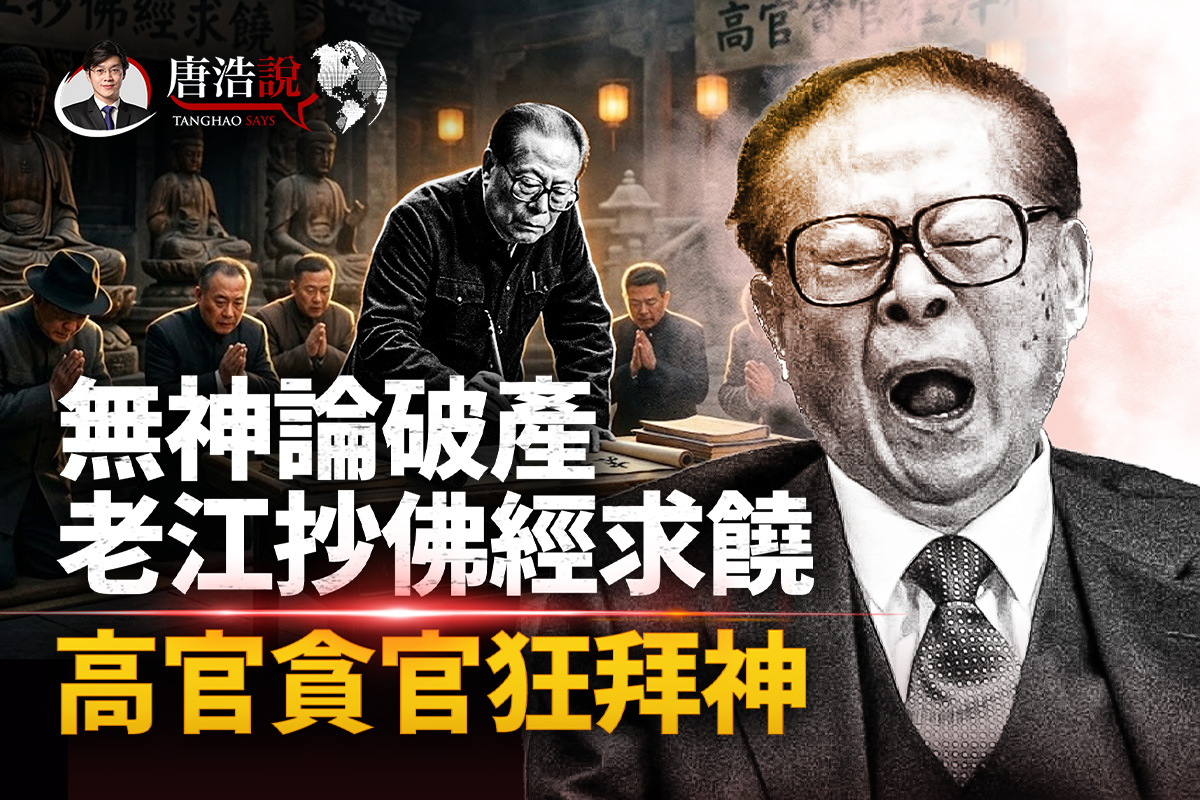
Recently, international media have been closely monitoring the escalating power struggles within the Chinese Communist Party, with the surprising revelation that “seeking the guidance of gods and divination” has become a major battleground. Why is it that the greater the power of Chinese officials, the more rampant corruption becomes, and the more fervently they turn to seeking guidance from gods and buddhas? How did Mao Zedong and Xi Jinping use superstition to safeguard their own power? Jiang Zemin once hand-copied Buddhist scriptures to seek forgiveness from gods and buddhas, why? Is Xi Jinping preparing to commemorate Old Jiang loudly and committing three major mistakes?
As the infighting within the Communist Party of China intensifies, the utilization of spiritual practices such as seeking gods and divination methods has shed light on a unique aspect of the power struggles within the party. Through this lens, the correlation between increasing power, escalating corruption, and the heightened reliance on spiritual beliefs among Chinese officials has raised questions about the motivations behind these actions.
The historical context of how Mao Zedong and Xi Jinping incorporated elements of superstition into their governance strategies reveals a pattern of utilizing spiritual practices to bolster their authority and control. This manipulation of spiritual beliefs to maintain power underscores the complexity of the power dynamics within the Chinese Communist Party.
Furthermore, the revelation that Jiang Zemin resorted to copying Buddhist scriptures as a means of seeking forgiveness highlights the intertwined relationship between faith, power, and accountability within the party’s leadership. This act of seeking divine pardon raises intriguing questions about the role of spirituality in the decision-making processes of Chinese officials.
Amidst these revelations, Xi Jinping’s upcoming high-profile commemoration of Jiang Zemin’s legacy has sparked speculation about the significance of this gesture and the potential implications for the party’s direction. The reported three major mistakes committed by Xi Jinping in the context of honoring Jiang Zemin add another layer of complexity to the ongoing power struggles within the Communist Party of China.
In conclusion, the intertwining narratives of power struggles, corruption, and spiritual beliefs within the Chinese Communist Party underscore the intricate dynamics that shape political governance in the country. The utilization of spiritual practices as a tool for consolidating power reflects a deeper level of complexity in the internal politics of the party, raising questions about the intersection of faith, authority, and accountability within the highest echelons of leadership.
**The Crossroads of the World Production Team**