
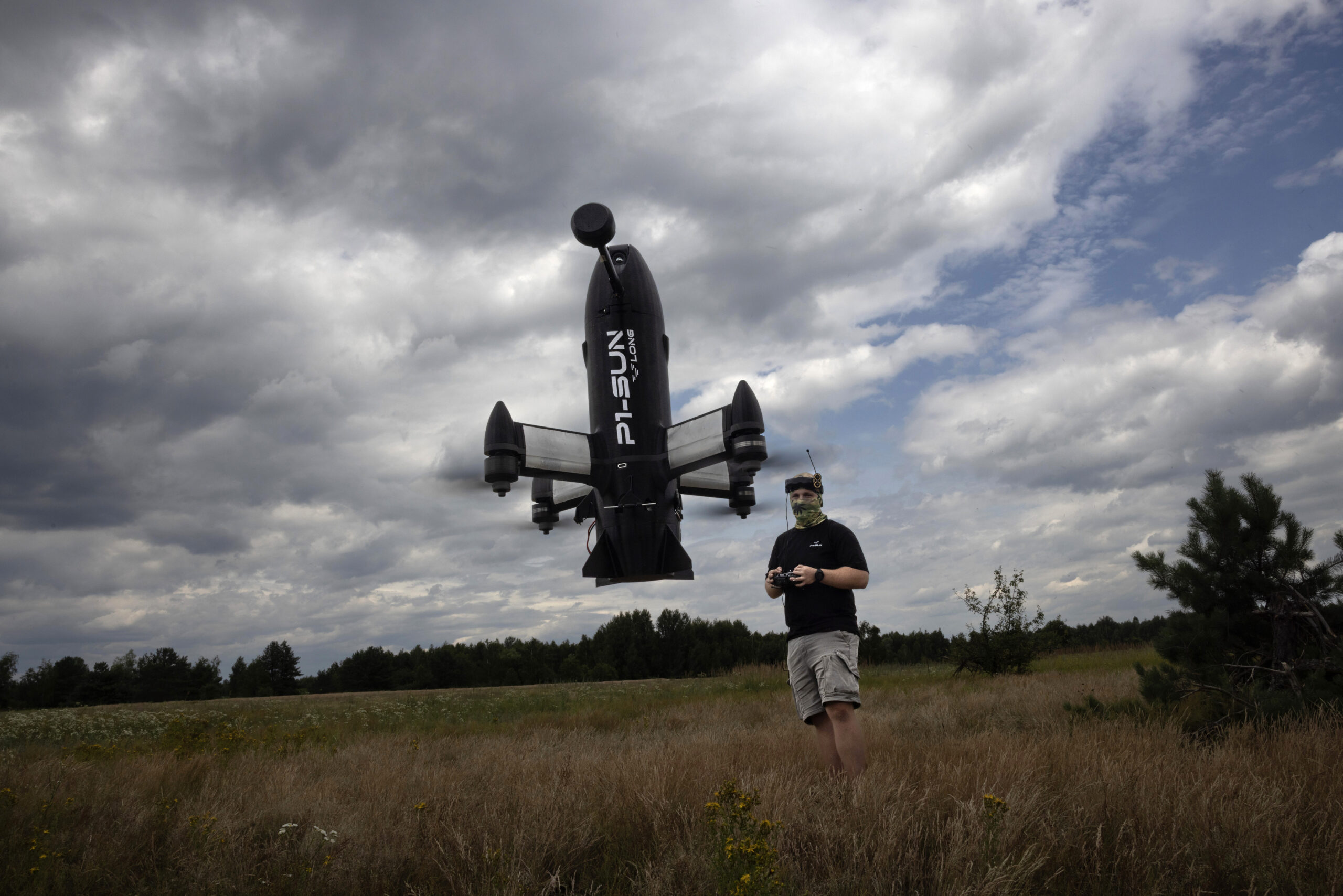
Ukrainian President Volodymyr Zelenskyy signed a decree on Friday, July 10, to establish the “Long-Range Strike Command” within the Ukrainian Armed Forces, aiming to coordinate long-range strike resources to enhance combat effectiveness and further weaken Russia’s operational capabilities.
Zelenskyy stated in a video speech that evening, “This command must concentrate one hundred percent of available resources to substantially weaken Russia’s operational capabilities.”
Zelenskyy also announced the formation of the “Joint Rapid Reaction Forces,” a high-tech tactical unit that will integrate assault forces, unmanned systems, and artillery under one command structure.
According to Ukrainian media LIGA.net, Major General Dmytro Voloshyn, the current Commander of the 8th Air Assault Army and a recipient of the title “Hero of Ukraine,” is expected to lead the new forces.
Two sources within the Ukrainian Defense Forces described Voloshyn as a highly respected officer with a solid reputation in the military.
An insider close to the command level of the Ukrainian Armed Forces informed LIGA.net that the newly established Long-Range Strike Command will be responsible for formulating operational strategies, coordinating resources from the Ukrainian Defense Intelligence Directorate (GUR), Security Service of Ukraine (SBU), unmanned systems units, and other defense force entities, in order to minimize competition in long-range strike missions.
Simultaneously, Ukraine is restructuring the management system of its existing assault forces to address operational and personnel issues.
Zelenskyy stated, “There are many issues and challenges to address, starting with the treatment of personnel. Law enforcement agencies are taking relevant procedural measures, and adjustments will be made to the management levels of the assault forces.”
This adjustment comes amid controversy surrounding the 425th Separate Assault Battalion “Skelya” (meaning “Rock”). Ukrainian media outlet Babel previously reported over twenty non-combat deaths within the battalion, involving incidents of assault, torture, and suicide.
Following the report, Ukraine’s Military Ombudsman Olha Reshetylova recommended reforms to the management system of such units.
Recently, Ukraine has continued to expand its deep strikes on Russia’s energy infrastructure. The General Staff of Ukraine stated that on Friday alone, Ukrainian forces attacked the Ilsky oil refinery in the Krasnodar region, and the Ust-Luga oil refining complex in the Leningrad region. An oil dock and a storage depot in the Rostov region were also targeted, leading to subsequent explosions and fires.
On July 1, Ukrainian long-range strike operations hit a refinery in Ufa, over 1,300 kilometers from the front line, for the second time. Ukrainian forces also targeted a strategic defense industry facility in the Penza region, over 600 kilometers from the front line, which produces missile weaponry components.
In addition to fixed energy facilities, Ukraine has expanded its targets to include maritime fuel transportation. Commander of the Ukrainian unmanned systems units, Robert Brovdi, stated that Ukrainian forces attacked 10 oil tankers in the Sea of Azov on Friday, with nearly 50 fuel ships damaged in the past five days.
Brovdi noted that Moscow’s “shadow fleet is shrinking.”
According to two industry sources and Reuters calculations, as a result of the attacks, Russia’s domestic gasoline production has dropped to approximately 65% of its total capacity.
Two grain export industry sources informed Reuters that Russia has halted vessel passage through a waterway connecting the Don River to the Sea of Azov. Experts pointed out that this decision could impact nearly a quarter of the region’s wheat exports, further affecting the Russian economy.
Zelenskyy mentioned that there are individuals within the core of power in Russia who support Ukraine’s efforts for peace. He believes that continued strikes in Russia’s deep regions will compel the Russian side to realize the necessity of ending the war.
“They understand what is happening and know that there is no choice but peace,” Zelenskyy said. “This realization will deepen within Russia.”