
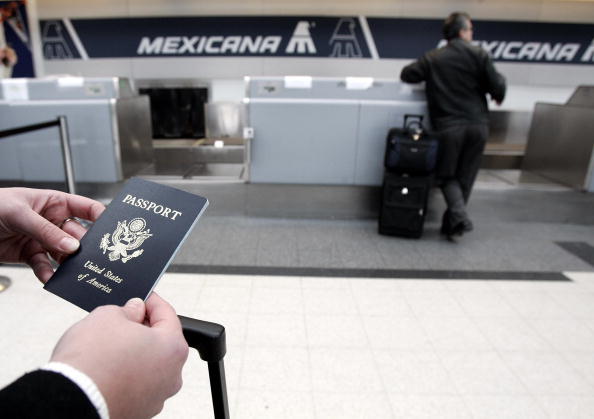
Traveling abroad, a passport is almost an essential personal document. Travelers not only need to carry their passports with them but also pay attention to whether the passport’s expiration date meets the requirements of the destination country. Additionally, a potential issue that could render a passport invalid is often overlooked by travelers, causing them trouble during boarding or immigration.
Experienced travelers know that any international trip requires an important pre-departure checklist. Visa, relevant vaccination certificates, and an international charger are factors to consider, but the most crucial item is the passport – the wallet-sized booklet essential for overseas travel. Travelers also need to ensure the passport remains valid, checking not only its expiration date but also assessing its overall condition.
Many travelers may not realize that even minor defects could render a passport unrecognizable or raise suspicions of potential tampering, leading to being unable to board a flight or enter another country.
According to the U.S. Department of State, damaged passports “may be refused by airlines or border officials and delay your travel.” Examples of damage include obvious tears, mold, stains, missing or torn visa pages, perforations, or unofficial marks on data pages. The Department of State does specify that “normal ‘wear and tear’ (folded pages or minor bending) is not considered damage.”
One issue that travelers may overlook is storing their passport together with leaky bottles or wet umbrellas in their bags, potentially leaving water stains on the passport. “Travel+Leisure” magazine interviewed a travel expert who warned against ignoring this practice.
“Suitcase Gals” is a travel company specializing in luxury group trips for women over 40, founded by Leslie Coleman. She said, “In all my personal travels and guided trips, I’ve seen many cases where passports were marked invalid due to damages. The most common problem is water stains; pages wrinkling, prior stamp ink may smudge or fade, making pages hard to identify, etc.”
“Always keep your passport in a cool, dry place to protect it and ensure a smooth journey,” she said.
While travelers may be confident that their passports have no water stains, it’s still essential to check this important document before heading to the airport (weeks or even months before the actual trip). “A good rule of thumb is to review your passport immediately after booking a trip to allow yourself enough time for corrections in case of damages,” Coleman said. “Ensure it’s signed, pages are clean, no text other than stamps, and no tears or missing pages.”
She also suggested checking the barcode on the passport for scratches or missing information. “Scratches on the barcode could prevent computer verification,” she explained.
Airline staff and border patrol officers will examine the entire passport, not just one page.
“Every page of the passport is equally important. If one page is damaged, the entire passport becomes invalid,” Coleman said. “Your passport is a legal document that must be 100% accurate and in good condition.”
The standard processing time for U.S. passport applications and renewals is approximately 4-6 weeks, with expedited processing taking 2-3 weeks.