
In most countries, national leaders are elected through voting processes and have fixed terms, so it can be seen as a profession, but only a few people can hold this position, and there is usually no retirement age limit. Therefore, there are presidents still serving in their 90s, while some become prime ministers in their 30s. So, who are the oldest and youngest national leaders in the world?
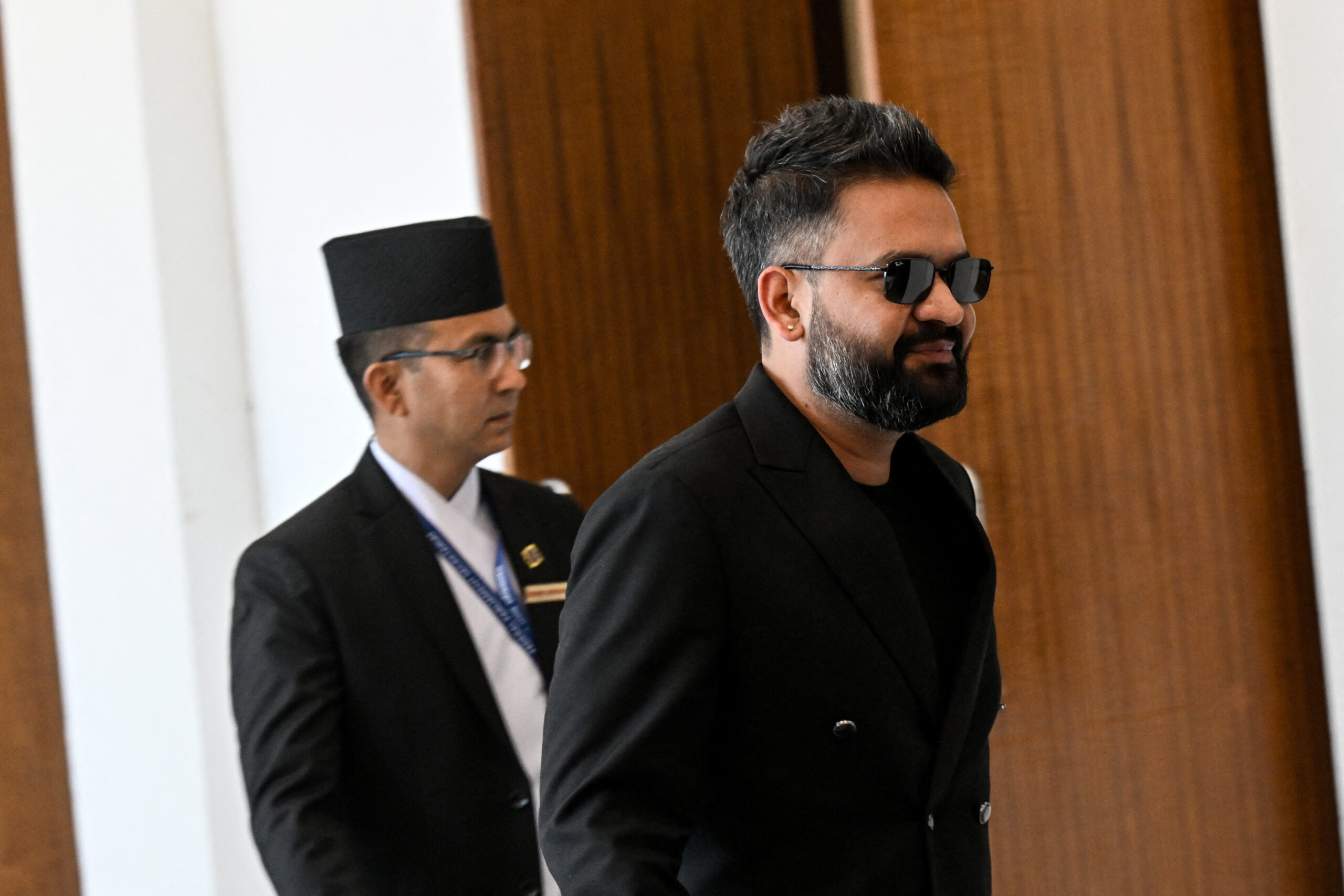
Let’s start with the youngest. Currently, the youngest national leader in the world is Prime Minister Balen Shah of Nepal. He was born in 1990, making him 36 years old. He used to be a rapper and also served as the mayor of the capital city, Kathmandu. He just took office in March of this year, making him a relatively new national leader.
After recent flash floods and landslides near the China-Nepal border, Shah personally commanded the rescue efforts and urged relevant departments to timely disclose the numbers of casualties and missing persons, attracting attention from the international community. This contrasts sharply with the opaque operations of the Chinese Communist Party.
According to an analysis by the Pew Research Center of national leaders in 186 countries (as of June 2026), there are 8 national leaders in their 30s, following Shah.
The second youngest national leader after Shah is Kristrún Frostadóttir, 38 years old, serving as the Prime Minister of Iceland since December 2024. The third youngest is Ibrahim Traoré, also 38 years old, leading the military government in Burkina Faso.
As for the oldest national leaders, 93-year-old President Paul Biya of Cameroon tops the list. He has been in power since November 1982, nearly 44 years.
The second and third oldest national leaders are Palestinian Authority President Mahmoud Abbas and Saudi Arabian King Salman bin Abdulaziz Al Saud, both 90 years old.
These three leaders are significantly older than the average age of national leaders, which is 63 years old. According to data from the Pew Research Center, the largest age group among national leaders is in their 60s, with 62 individuals. Leaders in their 40s, 50s, and 60s make up about two-thirds of the overall distribution.
It is worth noting that Freedom House, a non-governmental organization dedicated to supporting and defending democracy globally, points out that among the top 10 oldest leaders globally, 7 lead countries categorized as “not free” in terms of political and civil rights.
For example, Biya won the recent election in Cameroon with 53% of the vote, but the election was criticized for fraud.