
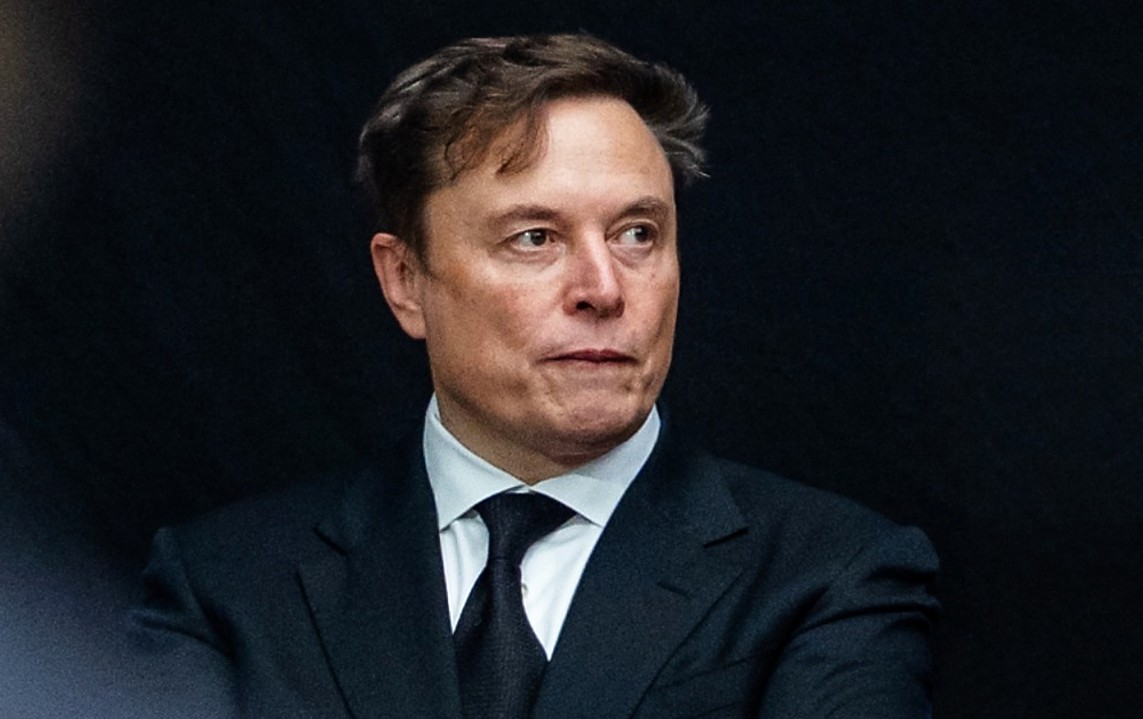
On Thursday, August 13, the U.S. Securities and Exchange Commission disclosed regulatory documents from SpaceX, showing that as of June 30, Elon Musk held approximately 48.4% of the company’s shares. Based on the current market price (around $142 per share), his stake is valued at over $900 billion. However, Musk responded on Twitter that he doesn’t actually own as many shares as reported.
The documents revealed that Musk owns around 6.4185 billion shares and has sole voting and dispositional rights over these shares. Since the IPO on June 12, he has maintained over 82% of the voting rights in SpaceX, demonstrating his significant control over the company.
The specific ownership structure includes: a trust fund held by Musk with approximately 849.4 million Class A shares and around 3.9169 billion Class B shares; personally held 1.3 billion restricted Class B shares by Musk, as well as 350 million Class B shares that can be issued after exercising stock options.
Musk emphasized on Twitter on August 13 regarding the 48.4% “beneficial ownership,” stating that “many of these shares will only vest after SpaceX achieves outstanding performance, so the actual percentage that belongs to me will be lower.”
This implies that the disclosed ownership includes restricted shares linked to future performance and unexercised stock options.
Some incentive programs have set extremely high goals, such as reaching a company valuation of trillions of dollars, establishing a space data center with massive computing capability, and creating a permanent Mars settlement with at least one million residents.
The company, which spans the rocket and AI industries, set a fundraising record of around $85.7 billion in its IPO, briefly pushing its valuation above $2 trillion. The stock price rose from $160.95 to over $200 at one point, but with market enthusiasm waning, it fell to around $108.37 by the end of July.
With the release of its quarterly financial report in August, along with the first batch of lockup restrictions being lifted, the stock price has rebounded by around 30% this month, currently hovering around $142.
On August 4, SpaceX’s first quarterly report after going public revealed that its revenue in the second quarter (Q2) was about $7.8 billion, a staggering 92% increase from around $4.1 billion in the same period last year. The operating loss narrowed significantly from approximately $970 million to about $143 million, primarily driven by the strong growth of the Starlink satellite network and AI business.
However, SpaceX’s capital expenditure also saw a significant increase, with Q2 capital expenditure rising from around $2.825 billion in the same period last year to about $18.369 billion (an increase of about 550%).
(Source: Reuters)