
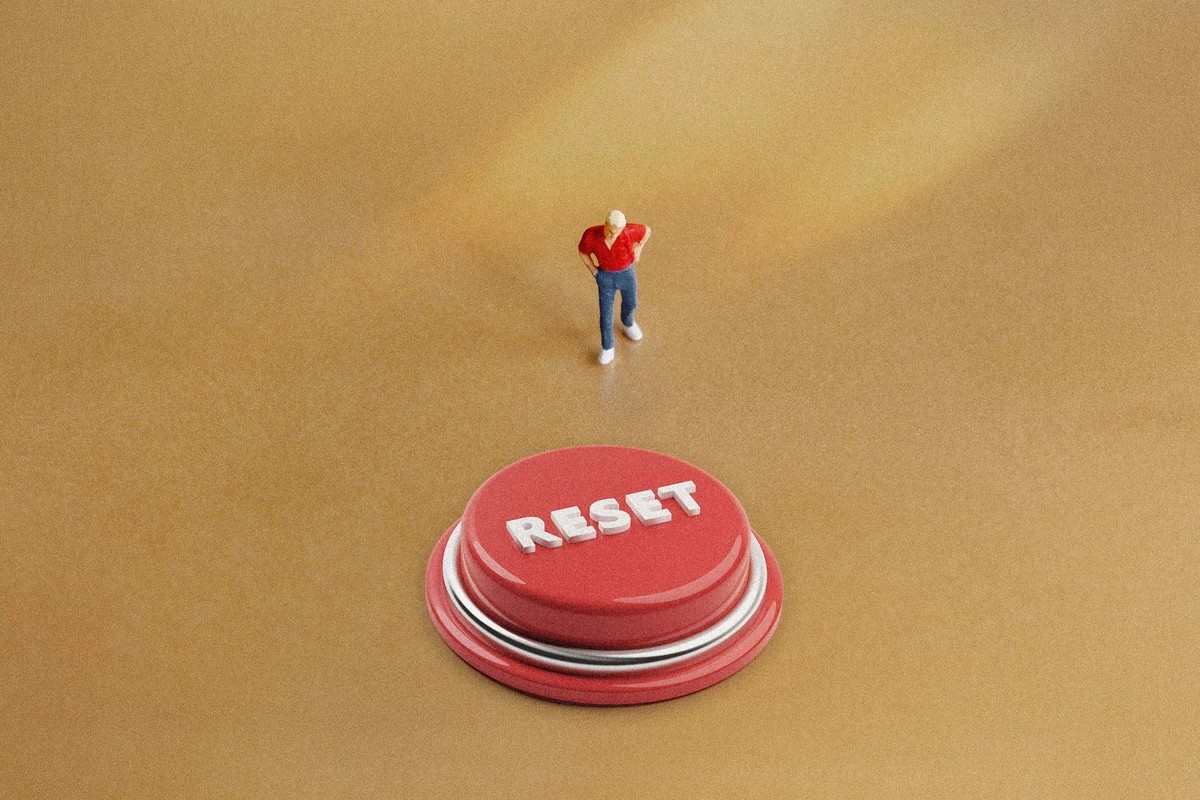
To start over in life, most people don’t actually need to completely change their lives. Making some adjustments is often enough, and these adjustments are much smaller than you may imagine.
Your life may not be as terrible as you think. While there are aspects that you are unsatisfied with, many of them have been built over time with a lot of effort and dedication, so you may be hesitant to give them up easily.
The impulse to tear everything down and start anew is quite natural, but it often appears somewhat immature. This impulse arises from a desire to make yourself more comfortable in the present without fully considering the costs of starting over.
By making adjustments in different areas of your life, you may feel like you have a whole new life. Because you are not starting from scratch, such changes often come quicker and with less unnecessary suffering.
If you start implementing the following adjustments in the upcoming week, you may likely experience significant changes in your life within one to two weeks.
Start by organizing a room in your home, preferably a space you use daily like the living room or kitchen. Since you interact with it every day, it’s easier to feel the impact of the organization. While organizing, pay attention to things that bother you, cause disruptions, or disturb the flow of your life. Pause and ask yourself: Is there a better way to arrange things to make daily life easier and more convenient? Through experimentation, you will eventually find the most suitable method for yourself. Organizing a room is a great starting point because it allows you to immediately see the results of change, proving that you have the ability to make your life better.
Firstly, figure out where your time is truly going. I suggest diligently tracking your daily time allocation with pen and paper for several days. After completion, carefully review these records to identify two things: what activities are consuming more time than expected? And where are you investing less time than you thought? In the next week, you may have the urge to completely change everything, but restrain this impulse and focus on one thing that is most important and likely to yield significant results. Allocate thirty minutes to one hour each day—preferably in the morning—to fully engage in this activity and move towards your goal.
We live in an era of information overload. The true challenge isn’t finding interesting or valuable information but rather selecting content worth absorbing without becoming overly consumed. Just as overeating even healthy food can burden the body, consuming too much literature, articles, podcasts, or online content can lead to mental stagnation. So, consume less and practice more. Give yourself a month to narrow down your sources of information to a few channels that you enjoy and benefit from the most, setting aside the rest for the time being.
Certain habits in our lives act as pillars supporting everything else. When you cultivate these key habits, a positive mindset, abundant energy, and sustained motivation often naturally extend to other aspects of life without deliberate effort. For me, maintaining a consistent bedtime (without screens) and going for a morning walk daily are two pivotal habits. Try to identify two or three key habits that can serve as pillars in your life and focus on incorporating them into your daily routine. Until these habits are firmly established, refrain from setting more goals for yourself hastily.
An observation I have about human nature is that most people easily settle into their current situation. When life is going smoothly, being content with the status quo isn’t much different from being content with what is fulfilling. Surprisingly, even in adversity, many individuals are reluctant to make significant changes. While they may adjust minor details in their lives, they are often unwilling to take actions that could lead to transformative shifts. Recently, I made a drastic change to my diet just to see what would happen. Unexpectedly, this change significantly improved my energy levels. I’ve also witnessed many friends drastically change their exercise routines and experience remarkable enhancements. Therefore, my advice to you is, don’t only focus on the present; courageously look towards the future and contemplate choices that could truly change your life.
Like most people, I search for information, read articles, and occasionally draw inspiration from them. However, truth be told, very few of these inspirations are put into practice. The value of information is only realized when it genuinely enhances your life. If it only momentarily gives you the feeling of “that’s a good idea” without prompting action, then it serves no purpose. In reality, you may simply be repeatedly enjoying that brief excitement, immersing yourself in fantasies of a better future but remaining stagnant. If you truly desire to change your situation, you must move beyond contemplation and information absorption stages and start taking action.
You don’t have to implement all five suggestions at once. If, like me, you tend to overthink or complicate things, stalling from starting, I recommend starting with one suggestion, concentrating on it, achieving stable results, and then considering the next.
If you can only choose one thing, I would recommend starting with altering your eating habits or significantly changing the way you consume information. Both of these changes may initially make you feel uncomfortable during the first week, but if you endure this transitional period, you may encounter improvements beyond your expectations. Give yourself a chance, endure the initial discomfort, and witness how life presents a different view once you traverse through this process.
For the English version, please refer to “The Epoch Times”:
5 Ways to Reset Your Life Without Starting Over