
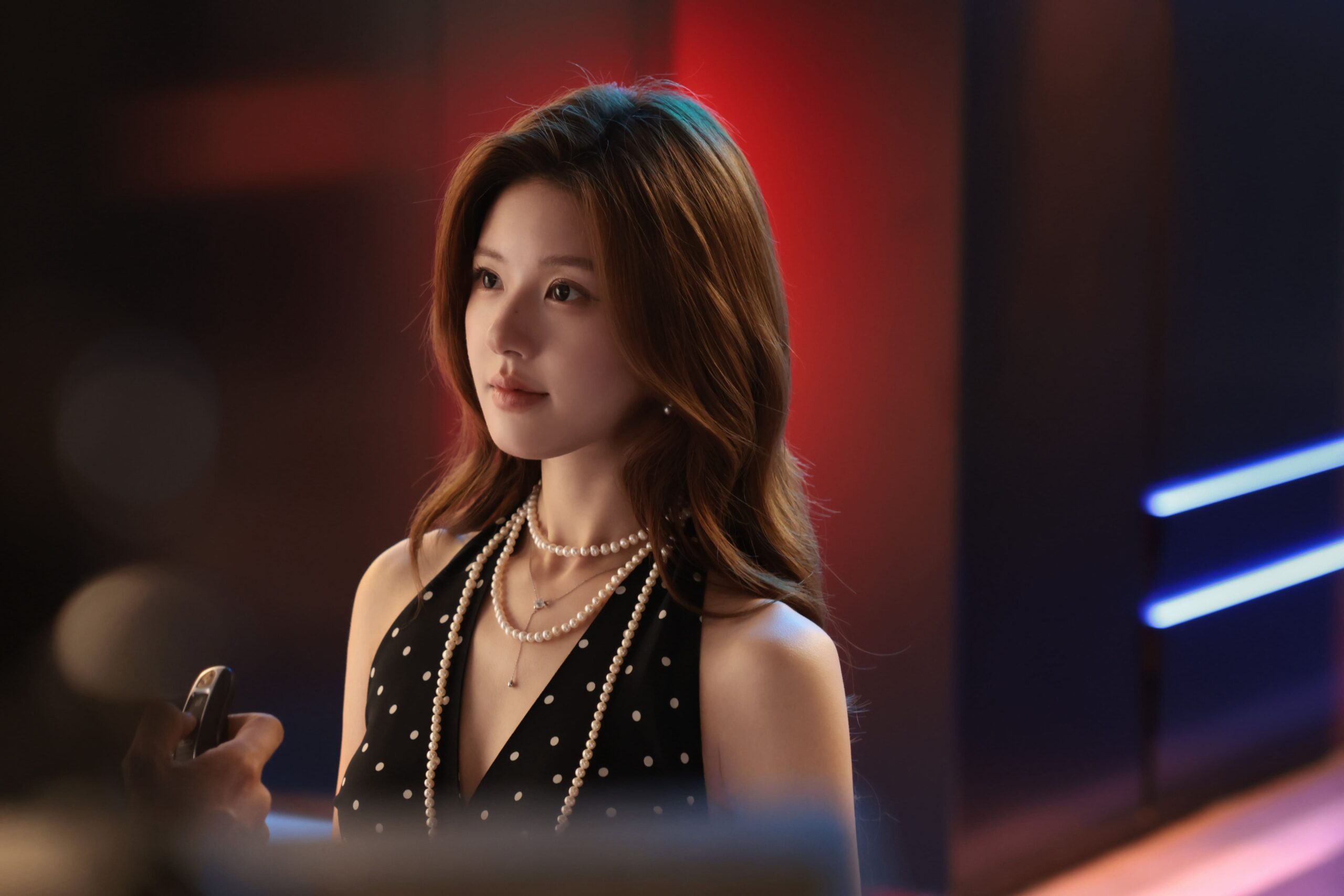
Popular mainland Chinese actress Zhao Lusi, who recently signed with a new company, is set to start filming for the first time after the contract, but the production may be delayed due to script issues. Facing a drought of good scripts in the entertainment industry, she has recently followed the example of Zhang Ziyi by actively recruiting screenwriters in hopes of finding a quality script.
At the age of 27, Zhao Lusi sparked discussions last year because of health issues and contract disputes that kept her away from filming for over a year. Fans have been eagerly anticipating her comeback, with rumors circulating for months about her return to the set. Producer Yu Zheng recently hinted at a collaboration between Zhao Lusi and actor Xu Kai in a new drama, “How Beautiful Can We Be,” scheduled to begin at the end of August, sparking a buzz among netizens.
During a recent live stream, Zhao Lusi addressed the high anticipation from fans about her upcoming projects, saying, “What kind of roles do you all want to see me in? What are your real demands? There’s no actor who doesn’t want to be filming. However, it’s better to wait for a trustworthy team than to rush into ten productions that might not turn out well. Even though I’ve freed up my schedule in August after signing with the new company, I’m still waiting for the script to move forward.”
During the shooting of “My Lover” two years ago, Zhao Lusi faced the pressure of script changes and on-the-spot dialog alterations, which led to a stressful experience for her. Now, encountering script issues once again with a new drama, she feels frustrated with the situation.
To break the deadlock of the script drought, Zhao Lusi has adopted a similar approach to Zhang Ziyi by publicly seeking out scripts through the Hong Kong Screenwriters’ Association. Her studio announced that applicants of any background or experience level are welcome, as long as they can create quality, complete stories. Collaboration options include selling a single script or engaging in long-term creative partnerships, with creators retaining permanent credit rights and sharing in multiple revenue streams like series royalties and IP derivative development.
Zhao Lusi emphasized, “The current film and television industry is lacking quality original content.” She expressed her desire for the collected scripts to focus on the emotional details from a female perspective, character development emphasizing mental healing and positive growth, as well as realistic themes that resonate with the audience and evoke social empathy. This indicates her intention to move away from the traditional “sweet romance drama” label towards a more profound and empathetic storytelling realm.
The script drought highlighted by Zhao Lusi signifies the harsh reality that the mainland entertainment industry is currently facing, with challenges stemming from capital downturns, AI impact, regulatory scrutiny, and a homogenization trend leading to a chilling winter in the film and television sector.