
Haiti’s Provisional Electoral Council (CEP) announced on Monday (July 27) that the first presidential election since 2016 will be held on December 13 this year, with a runoff in February next year. Previously, the council had planned to hold the vote in August and the runoff in December of this year, but due to security concerns, it has decided to postpone the elections.
According to the schedule released by CEP on Monday, the first round of voting for the Haitian president and parliament will take place on December 13, with the runoff scheduled for February 21 next year. The final results will be announced on March 7, and the new government is expected to take office on March 12. Voters will also vote on constitutional amendments and local municipal representatives.
The council emphasized that whether the schedule can be implemented as planned depends on “establishing an acceptable security environment” and “obtaining the necessary election operation funds.”
CEP is currently conducting voter registration and training for election security personnel, while announcing the final list of political parties eligible to participate in the elections, numbering over 300.
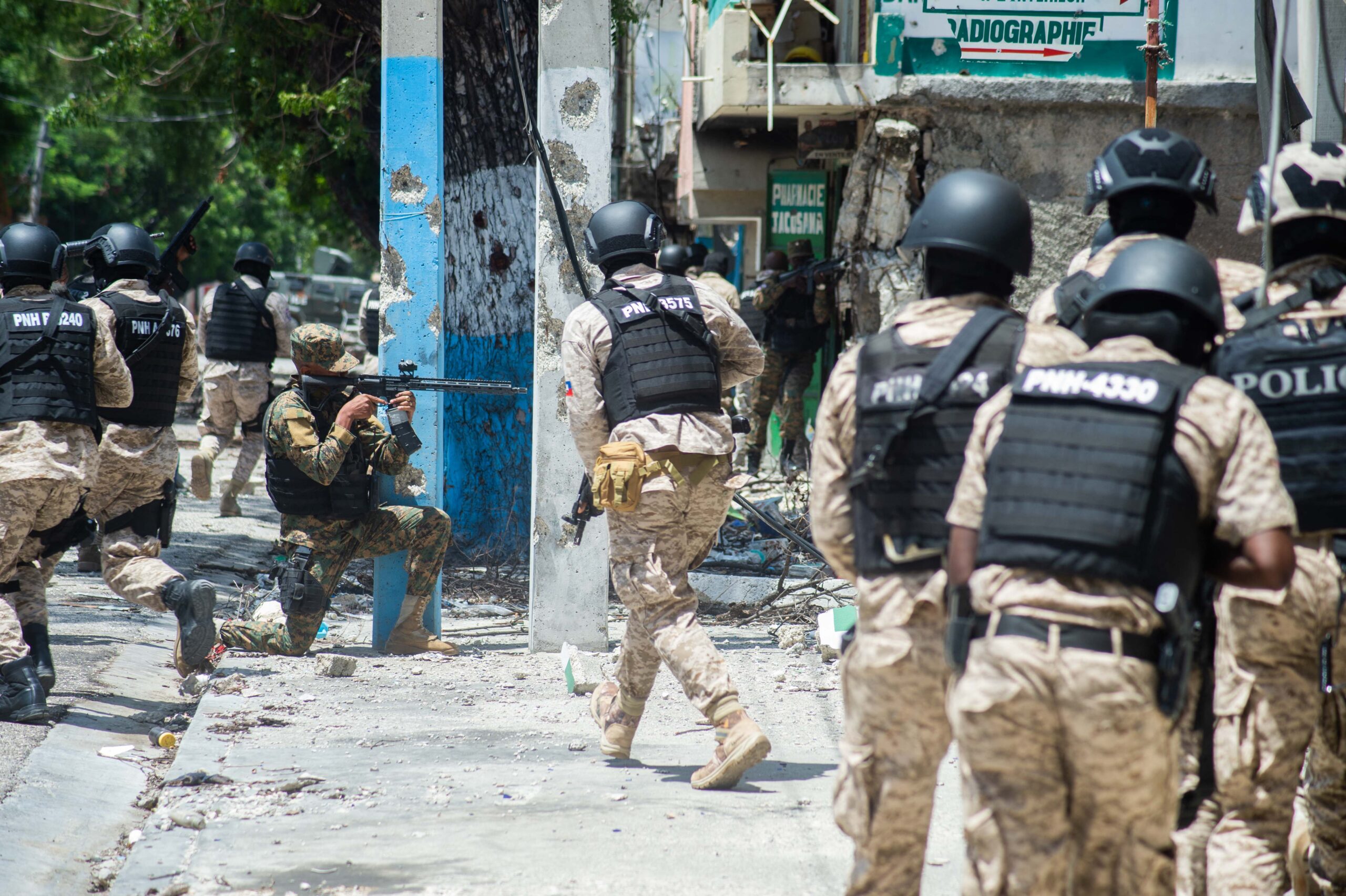
There are doubts from observers about whether the elections can be conducted safely, as Haiti has long suffered from political and gang violence, ongoing issues such as food shortages, extortion, kidnapping, and large-scale displacement.
The Haitian government has repeatedly stated that the continuous conflict between the government and powerful armed gangs has led to social unrest, making it impossible to hold normal elections. President of Haiti, Jovenel Moise, was assassinated at home in the early hours of July 7, 2021, following a delay in the vote.
Haiti election process expert Line Balthazar of the Bald Party (PHTK) questioned whether CEP can ensure the safety of the population in gang-controlled provinces such as the West, Artibonite, and the central region to hold the elections.
Retired senior Haiti expert Robert Fatton holds a similar view. He believes that holding legitimate elections in Haiti this year will be difficult if people cannot vote in a safe environment, which would undermine the legitimacy of the elections. He emphasized that forcing the elections will only lead to “a major political crisis.”
Fatton pointed out that outdated voter rolls and issuing new identity cards are also significant issues. The last nationwide census in Haiti was conducted in 2003, and after the devastating earthquake in 2010, tens of thousands of people fled to various South American countries.
Additionally, about 12% of Haiti’s population (approximately 1.4 million people) are internally displaced due to gang violence issues. Most of them live in temporary camps, stay with relatives outside the registered voting areas, or flee to places like the United States and Canada, further complicating the elections.
CEP President Jacques Desrosiers revealed to Reuters at the end of last year that the council had evaluated hundreds of polling centers, but as gangs expand their influence from the capital Port-au-Prince outward, it is becoming increasingly difficult for people to reach the polling stations.
Currently, Haiti’s violent armed gangs are largely affiliated with the widespread group known as “Viv Ansanm.” The group has been designated as a terrorist organization by the United States, charged with crimes such as large-scale kidnappings, rape, arson, indiscriminate killings, as well as smuggling organs, firearms, drugs, and its influence has spread from Port-au-Prince to central and rural areas.
With less than 5 months remaining until the December elections, concerns from the international community on whether local government voter registration and logistical preparations are adequate are raised.
Recently, an analysis by the Miami Herald indicated that assuming out of Haiti’s approximately 12 million population, 6 million are eligible voters, and at least 1.5 million need to register within the 90 days stipulated by election regulations. If there is insufficient capacity at the voter registration centers, it could lead to a significant number of citizens being unable to register within the timeframe, potentially impacting the fairness of the elections.
The analysis also pointed out that registration work has not even begun in some areas, with voter registrations being refused by local governments under the guise of administrative adjustments when citizens relocate from gang-infested Port-au-Prince.