
On Friday, September 11th, the diesel price in the United States broke through the $6 per gallon mark for the first time. While the price increase may not be very noticeable for most American drivers, it could lead to higher prices for most goods and services.
According to the latest data from the American Automobile Association (AAA) cited by CNN, the average diesel price in the United States on Friday reached $6.06 per gallon, increasing by 21 cents from just last week, surpassing the previous record of $5.82 per gallon set in June 2022 when the conflict between Russia and Ukraine began.
Since the outbreak of the Iran war, diesel prices have surged over 55%, surpassing the 40% increase in gasoline prices. CNN’s analysis of the AAA data suggests that diesel prices may witness the largest annual increase in history.
The soaring diesel prices can be attributed to two main reasons. First, the ongoing US-Iran conflict has resulted in crude oil futures prices surging above $100 per barrel. Second, there is insufficient refining capacity, with refineries in the Middle East and Russia being damaged due to the conflict. As Russia acts as a major diesel supplier, it has restricted diesel exports to address domestic fuel shortages. China has also limited diesel exports to avoid fuel shortages domestically.
Andy Lipow, the president of Lipow Oil Associates, mentioned that refineries are maximizing diesel production efforts, but the supply remains constrained.
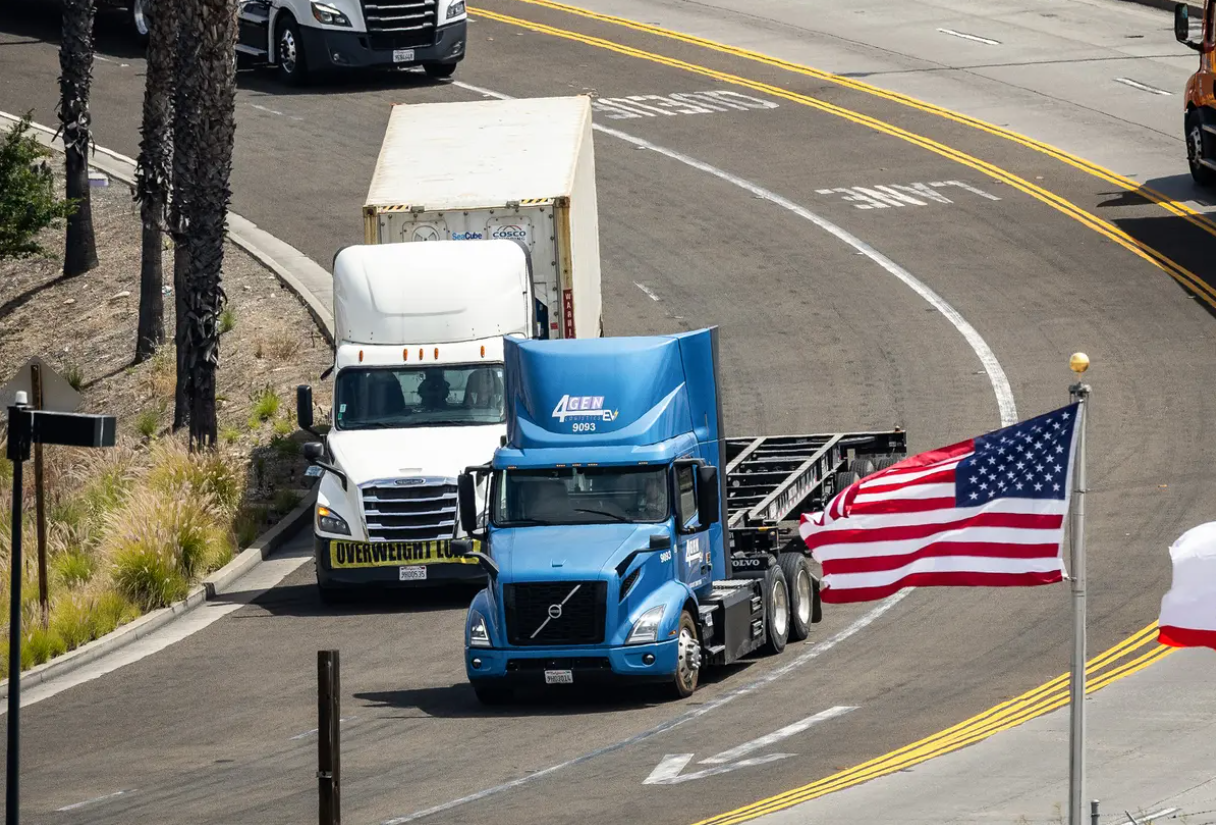
While only about 3% of passenger vehicles in the US use diesel, it is the primary fuel for nearly all other vehicles such as trucks, tractors, freight trains, ships, and construction vehicles. Most heavy-duty trucks and freight trains rely on diesel for transporting essential goods for households across America.
As diesel prices rise, large freight and railway companies may pass on the increased fuel costs to customers such as businesses and manufacturers through fuel surcharges. To offset the rising costs, companies may increase prices.
California’s ports in Los Angeles and Long Beach are gearing up for the holiday shopping season, but with the average diesel price in California soaring to $7.98 per gallon, transporting containers to retailers this year will be more costly, and these expenses may be transferred to consumers.
The surge in fuel prices comes at the beginning of the fall harvest season in the United States. Diesel is a primary fuel for agricultural equipment, and an increase in input costs could result in higher food prices. Goldman Sachs has warned that there is a substantial risk of a global spike in food prices.
Goldman Sachs attributes the soaring diesel and fertilizer prices to the crisis in the Strait of Hormuz, tension in the Black Sea affecting global grain trade, and the El Niño phenomenon causing droughts and extreme high temperatures, all contributing to the rise in diesel and fertilizer prices.
Moreover, diesel and heating oil are almost inseparable. Around 5 million households in the Northeastern United States use heating oil for warmth, including about half of households in Maine. Families using heating oil may face shockingly high bills when they receive the first batch of oil this season.
With global oil prices nearing $107.63 per barrel, the average diesel price in the US may further escalate, reaching up to $7 per gallon. Data from the Watson Institute of International and Public Affairs at Brown University shows that since the outbreak of the Iran war, each American household’s diesel expenditure has increased by over $350.
On Friday, a diesel retail price in San Diego, California briefly hit $9.99 per gallon. While this price was notably higher than the region’s average, it reflects the diesel crisis the global supply chain is currently facing.
According to AAA data, the average diesel price in California crossed the $8 per gallon mark for the first time on Friday, reaching a historical high.
QShark Moving, a California-based moving company, primarily uses diesel trucks. The monthly fuel expenses for the company’s entire diesel truck fleet rose from about $8,200 in August last year to around $16,000 in August this year, nearly doubling. However, due to intense competition in the moving industry, the company cannot significantly raise fees.
Insufficient oil pipelines, declining refining capacities, and California’s highest state gasoline tax have historically led to higher fuel costs in California. Additionally, California has a higher usage of renewable diesel compared to other states, which increases refining costs due to the raw materials used in the fuel.
Despite these factors, the current increase in diesel prices in California is particularly severe, and it remains uncertain whether this situation can be alleviated in the short term. US government data indicates that diesel inventories on the West Coast have fallen to the lowest level since 1998, and diesel futures prices are approaching $5 per gallon.
Leaf It To Us, a tree service company in San Diego, has also been affected by the rising diesel prices. The company’s trucks and wood chippers run on diesel. Following the increase in diesel prices, the company had to raise prices, leading some longtime customers to discontinue using their tree maintenance services.