
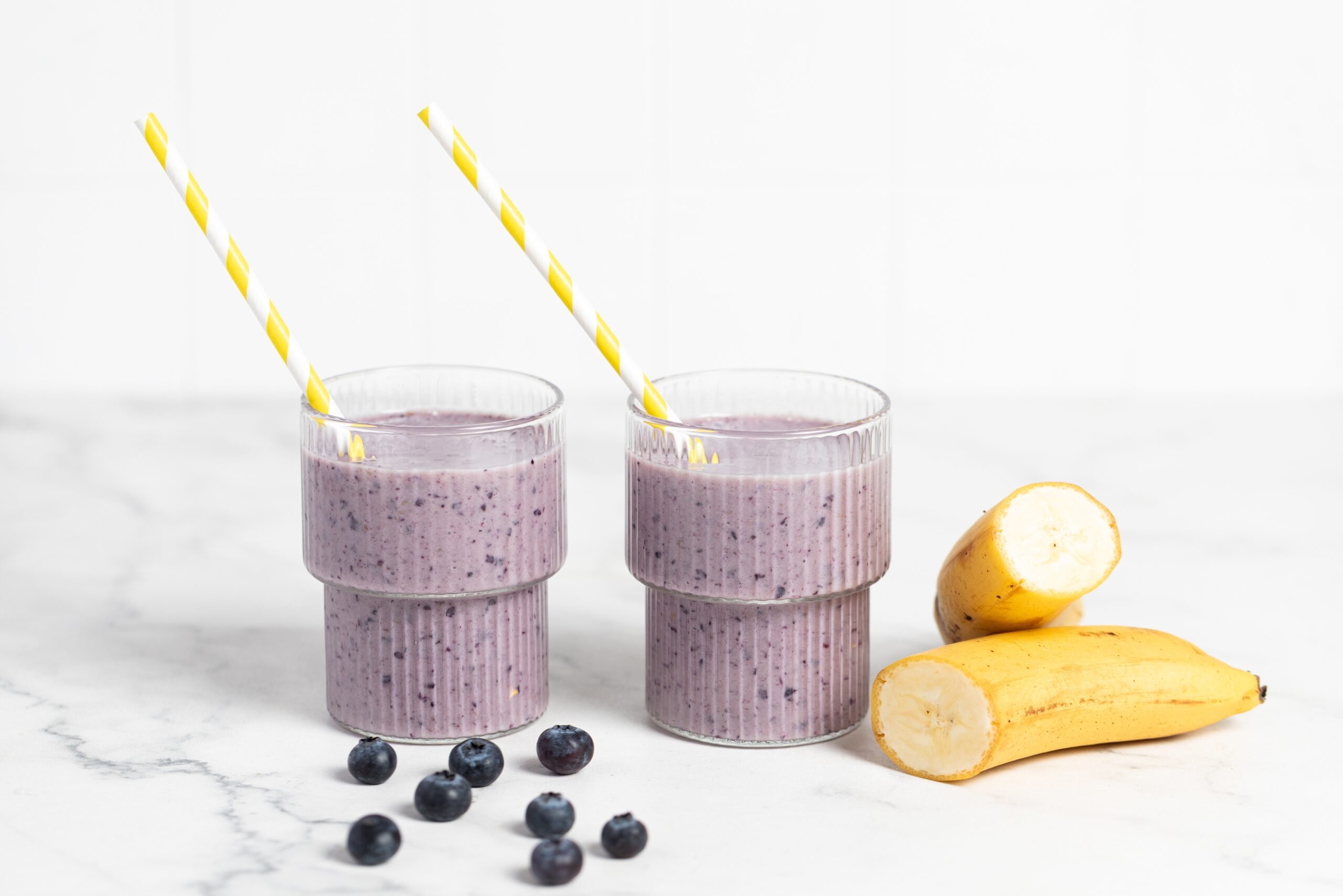
Bananas and blueberries are common fruits that are rich in a variety of nutrients essential for the human body. A scientist claims that blending bananas and blueberries into a smoothie might counteract the nutritional benefits of blueberries. Is this true?
Bananas are rich in dietary fiber, potassium, magnesium, and vitamin B6, which aid in digestion, blood pressure regulation, and mood stabilization. Blueberries, on the other hand, contain anthocyanins and polyphenols, offering strong antioxidant properties, cardiovascular protection, and memory enhancement among many other health benefits. Both fruits are beneficial to the body and beloved by many.
In a report by The Guardian, on a recent episode of the Mel Robbins Podcast, biomedical scientist Dr. Rhonda Patrick pointed out that adding bananas to a blueberry smoothie may have a negative impact on the nutritional value of the blueberries.
The combination of blueberries and bananas – is it really inappropriate?
Patrick’s argument revolves around an enzyme present in bananas called polyphenol oxidase and the polyphenols found in blueberries, a general term for antioxidants present in plants.
She stated, “Polyphenol oxidase is essentially an enzyme that degrades polyphenols. Current research indicates that… when bananas are mixed with blueberries the intake of polyphenols by the body decreases. In fact, the content significantly decreases, meaning bananas offset the nutritional benefits of blueberries.”
The report mentioned that Patrick’s perspective is likely based on a study from 2023 that looked into how polyphenol oxidase affects the absorption of a specific polyphenol called flavanols.
The study found that participants who consumed banana smoothies with added flavanols had lower levels of these antioxidants in their blood compared to those who drank mixed berry smoothies with added flavanols.
However, experts caution against relying too heavily on this study for a few reasons.
Dr. Joe Schwarcz, Director of the McGill Office for Science and Society and a science popularizer, told The Guardian that researchers “never actually made a smoothie combining bananas and blueberries.” Schwarcz further pointed out that the study “involved only 8 participants… the sample size is not sufficient to draw statistically significant conclusions.”
Nevertheless, focusing on the impact of polyphenol oxidase on flavanols, Schwarcz stated, “The presence of bananas would indeed produce a statistical difference in the polyphenol content of the smoothie you’re making.”
Indeed, there is extensive research demonstrating that polyphenol oxidase can affect the antioxidant capacity of various compounds in fruits and vegetables. Blueberries contain a variety of polyphenols. Schwarcz noted that anthocyanins, which give blueberries their color, have a higher content and proportion in the fruit compared to flavanols.
Anthocyanins are associated with various potential health benefits, including reducing overall mortality, cardiovascular diseases, and the risk of type 2 diabetes. Therefore, according to Schwarcz, what the study measured may not even be the “most important compounds found in blueberries.”
Registered dietitian Alyssa Northrop, based in Minneapolis, stated, “The interaction between nutrients in food is quite common.”
“Some nutrients can enhance the absorption of others, such as vitamin C and iron, while others can inhibit absorption, like oxalates in spinach, which bind to calcium, reducing its bioavailability,” she continued.
However, Northrop emphasized that people should not overly worry about these interactions from a holistic dietary perspective.
She said, “Rather than meticulously controlling every food pairing, I suggest focusing on the big picture: maintaining a diverse diet, consuming adequate fruits, vegetables, whole grains, nuts, seeds, and other nutritious foods to meet the body’s needs.”
Northrop pointed out that instead of optimizing the absorption of polyphenols in each smoothie, a more pressing concern is inadequate intake of fruits and vegetables.
“We often fail to meet the recommended five servings of fruits and vegetables daily. If adding a banana to a berry smoothie makes it tastier, encouraging people to eat more fruits, then I think it’s a good thing,” she added.
Registered dietitian and nutritionist Sheri Gaw, based in the San Francisco Bay Area, noted, “Bananas are commonly added to smoothies because they naturally sweeten them and their unique texture lends a creamy, smooth consistency to smoothies.”
Furthermore, bananas are both healthy and affordable and widely available. Bananas contain potassium, vitamin B6, vitamin C, manganese, and magnesium, with an average medium-sized banana providing about 3 grams of dietary fiber.
There is evidence to suggest that consuming 400 to 600 mg of flavanols daily from foods like green tea, cocoa, and apples may contribute to cardiovascular metabolism health, potentially improving blood pressure, cholesterol levels, and blood sugar regulation.
Northrop remarked, “While deficiencies in vitamins or minerals can lead to significant health issues, the impact of inadequate polyphenol intake is not clear. Polyphenols are not considered essential nutrients, and there are currently no established recommendations for total polyphenol intake.”
If you are genuinely concerned about the flavanol content in berry smoothies, you can opt to include fruits with lower polyphenol oxidase content than bananas, such as mangoes or pineapples.
“Oats, yogurt, silken tofu, kefir, avocado, and frozen cauliflower are commonly used ingredients in smoothie-making that can provide a similar creamy texture as bananas,” Gaw added.
Schwarcz believes that the interaction between bananas and berries from an overall dietary perspective is “negligible.” In general, consuming a variety of fruits is beneficial, allowing the body to obtain various benefits from the antioxidants.