
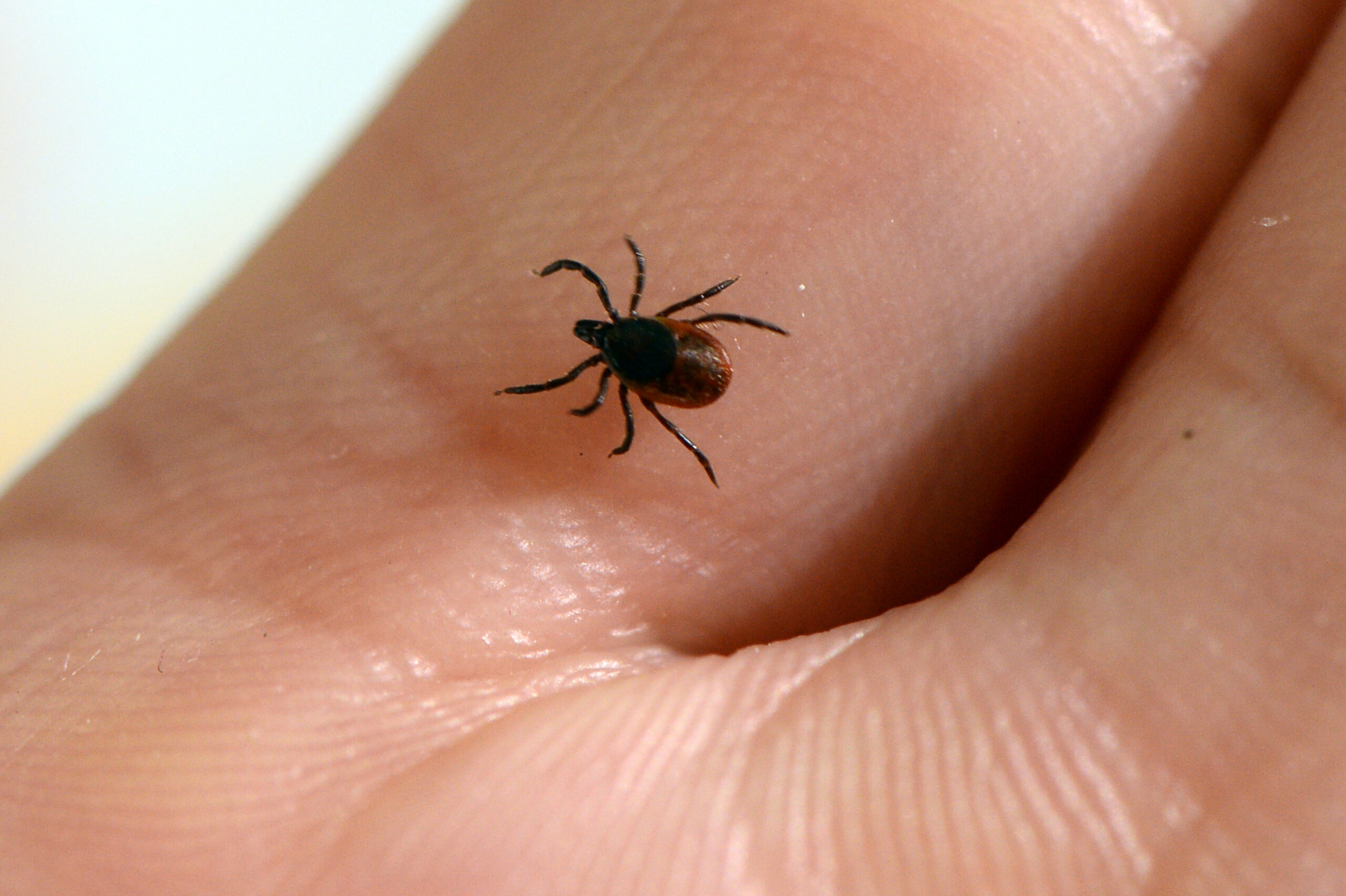
Chinese researchers, in collaboration with American counterparts, have recently discovered a new tick-borne virus that appears to be the cause of hundreds of fever cases in China. The new pathogen has been named as the Asian Longhorned Tick Nairovirus (ALTNV), belonging to the Nairovirus genus.
The related research was published by a team from the Beijing Key Laboratory of Pathogen and Biosafety in the New England Journal of Medicine, with coverage by the University of Minnesota’s Center for Infectious Disease Research and Policy.
Tick-borne Nairoviruses are associated with flu-like fever diseases, characterized by symptoms such as fever, fatigue, gastrointestinal issues, and abnormal laboratory results. When combined with infections like Dabie bandavirus (DBV), this virus could lead to severe illnesses.
In recent years, the topic of “tick-borne diseases causing deaths” has been trending in mainland China, with several cases of tick-related deaths raising concerns among the public.
This research began with a puzzle. In certain regions of China, approximately 30% of patients exhibited symptoms of Dabie bandavirus infection (which can cause fever along with thrombocytopenia syndrome), yet the tests for DBV came back negative. This discrepancy suggested the possibility of another pathogen being transmitted besides the known ones.
Scientists collected samples from patients bitten by ticks in areas where tick-borne viruses were prevalent, using RNA sequencing and virus isolation techniques to identify the virus type.
Genomic analysis classified ALTNV as a member of the Nairoviridae family within the Nairovirus genus. The amino acid sequence similarity of this virus with other Nairovirus species was less than 80.04%, supporting its identification as a unique virus.
Among the 3,163 patients tested, 10.4% showed positive results for the virus RNA or antibodies, confirming ALTNV diagnosis. Additionally, among patients previously tested negative for Dabie bandavirus, 15.1% were found to be infected with this new virus.
Among 47,428 ticks from 15 provinces in China, 1.3% tested positive for ALTNV RNA, with the highest detection rate in longhorned ticks at 1.8%.
Experiments also revealed that longhorned ticks could transmit the virus to mice.
The U.S. Department of Agriculture has confirmed that these ticks have been found in 21 states across the U.S. and in Washington D.C.