
Yemen’s Houthi militants launched attacks on multiple locations in Saudi Arabia on Tuesday, September 8, resulting in 73 people being injured and causing fires at several oil and public facilities, which were temporarily halted. Saudi Arabia described the attacks as a “serious escalation” and vowed to respond. Following the announcement of the attacks on Saudi facilities by the Saudi Energy Ministry, international oil prices further rose.
Saudi Arabia is the world’s largest oil exporter. The Saudi Energy Ministry stated that several oil facilities and public facilities in the southern region of the country were attacked and caught fire, leading to the temporary suspension of operations at the affected facilities.
Firefighters continued to battle the blazes on Tuesday morning, with emergency response personnel rushing to the scene to control the fires and assess the damage.
The locations targeted by the coalition led by Saudi Arabia included Abha, Jazan, Najran, and Khamis Mushait.
Coalition spokesperson Major General Turki al-Malki stated that the attacks resulted in 73 injuries, including women and children, without providing detailed information on the condition of the injured.
The Saudi Energy Ministry stated that authorities are dealing with the aftermath of the attacks and vowed to “take necessary measures to ensure the safety of facilities and personnel, and continue operations in accordance with approved operational plans.”
Following the statement by the Saudi Energy Ministry, international oil prices surged. According to Reuters, Brent crude futures rose by $1 to $98 per barrel, while U.S. crude futures climbed over $2 to $93.65 per barrel.
Saudi Aramco’s oil facilities in Jazan were reportedly targeted in the latest round of attacks, with the extent of the damage still being evaluated, as reported by the Financial Times.
However, Reuters noted that the information has not been independently verified, and there has been no comment from Saudi Aramco.
Al-Malki described the attacks as a “serious escalation,” stating that it was a “flagrant violation of Saudi sovereignty, directly threatening the safety of its citizens and residents.”
He said that the coalition led by Saudi Arabia “will take all necessary military actions to deter the Houthi terrorist militias decisively.”
The Houthi militants have yet to comment on the attacks, but they stated that they would release a statement later regarding a “large-scale military operation deep inside Saudi territory.”
Nasruddin Amer, Deputy Director of the Houthi Media Office, stated on social media: “Saudi enemies must understand that the era of committing crimes and massacres against the people of Yemen without receiving a response, without being deterred, without paying the price, has ended.”
Hours before the recent attacks, Houthi militants accused Saudi airstrikes of hitting a prison in Jawf Province in northern Yemen, resulting in at least 7 deaths, including a child, with 7 others injured, as reported by the Associated Press.
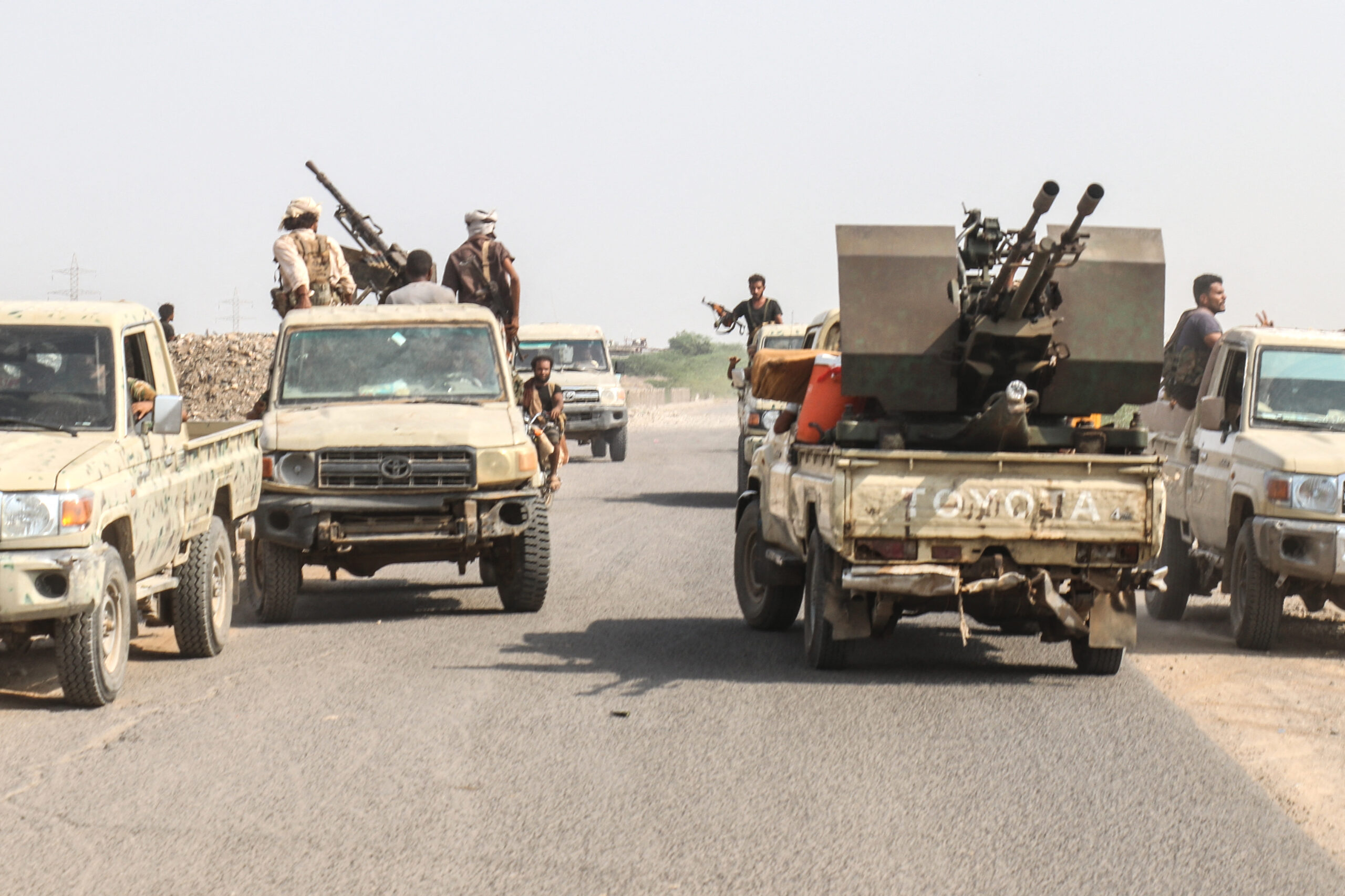
According to Reuters, the coalition led by Saudi Arabia has not announced recent attacks on Yemen. However, the Saudi-backed Yemeni government forces have launched offensives against Houthi militants on multiple fronts in recent days.
The attacks come at a time of escalating conflict within Yemen. Houthi militants and Saudi-backed Yemeni government forces have been engaged in ongoing clashes in recent weeks, breaking a ceasefire that had lasted for about 4 years.
Fighting continues on several fronts, including the western coast of Yemen.
Government forces have reported recent territorial gains in provinces such as Hodeida, Taiz, and Baydah, while Houthi militants have also targeted Saudi oil facilities and oil tankers in the Red Sea.
Since announcing a naval blockade against Saudi Arabia in July, Houthi militants have continued to launch attacks towards Saudi and designated Saudi vessels in the Red Sea as targets.
The civil war in Yemen began in 2014 when Houthi militants seized the capital Sanaa and large northern areas, forcing the government into exile. A coalition led by Saudi Arabia, including the United Arab Emirates, intervened the following year in an attempt to restore the Yemeni government’s authority.
The United Nations estimates that the ongoing conflict has resulted in at least 150,000 deaths and has pushed Yemen to the brink of famine several times.