
In a recent verdict, Yao Wei-hua, the chief of Qingshan Village in Tucheng District, New Taipei City, and Chien An-shih, the chairman of the Chinese Youth Cultural and Educational Art Exchange Association, were sentenced to 2 years and 6 months and 4 years and 8 months in prison, respectively. This decision came after the Nanjing Taiwan Affairs Office funded a trip for them to mainland China, which was brought to light during the investigation.
The investigation revealed that in September 2023, Chien An-shih allegedly accepted funding from the Nanjing Taiwan Affairs Office, with Yao Wei-hua inviting 5 village chiefs and 9 friends, totaling 14 people, to travel to China and receive complimentary accommodations in November of the same year.
Each member of the group was required to pay NT$16,500 for the plane tickets, while the rest of their expenses, including meals and lodging, were covered. The itinerary included visits to Nanjing and Huai’an City in Jiangsu Province. During meal gatherings, banners saying “Cross-Strait Unity” were displayed, and officials from the Taiwan Affairs Office promoted the concept of “Blue-White Cooperation” in an attempt to influence presidential and legislative elections.
In 2024, the New Taipei District Prosecutor’s Office charged Yao Wei-hua and Chien An-shih with violating anti-infiltration laws, as well as laws related to the recall of public officials and presidential and vice-presidential elections. Yao Wei-hua confessed to the charges upon surrendering himself, with the prosecution acknowledging his cooperation by recommending a lighter sentence if he continued to confess during trial. The accompanying village chiefs and friends were not prosecuted due to lack of evidence.
The first trial at the New Taipei District Court ruled that there was insufficient evidence to prove that Yao Wei-hua and Chien An-shih exchanged travel accommodations for votes, therefore acquitting them of bribery charges.
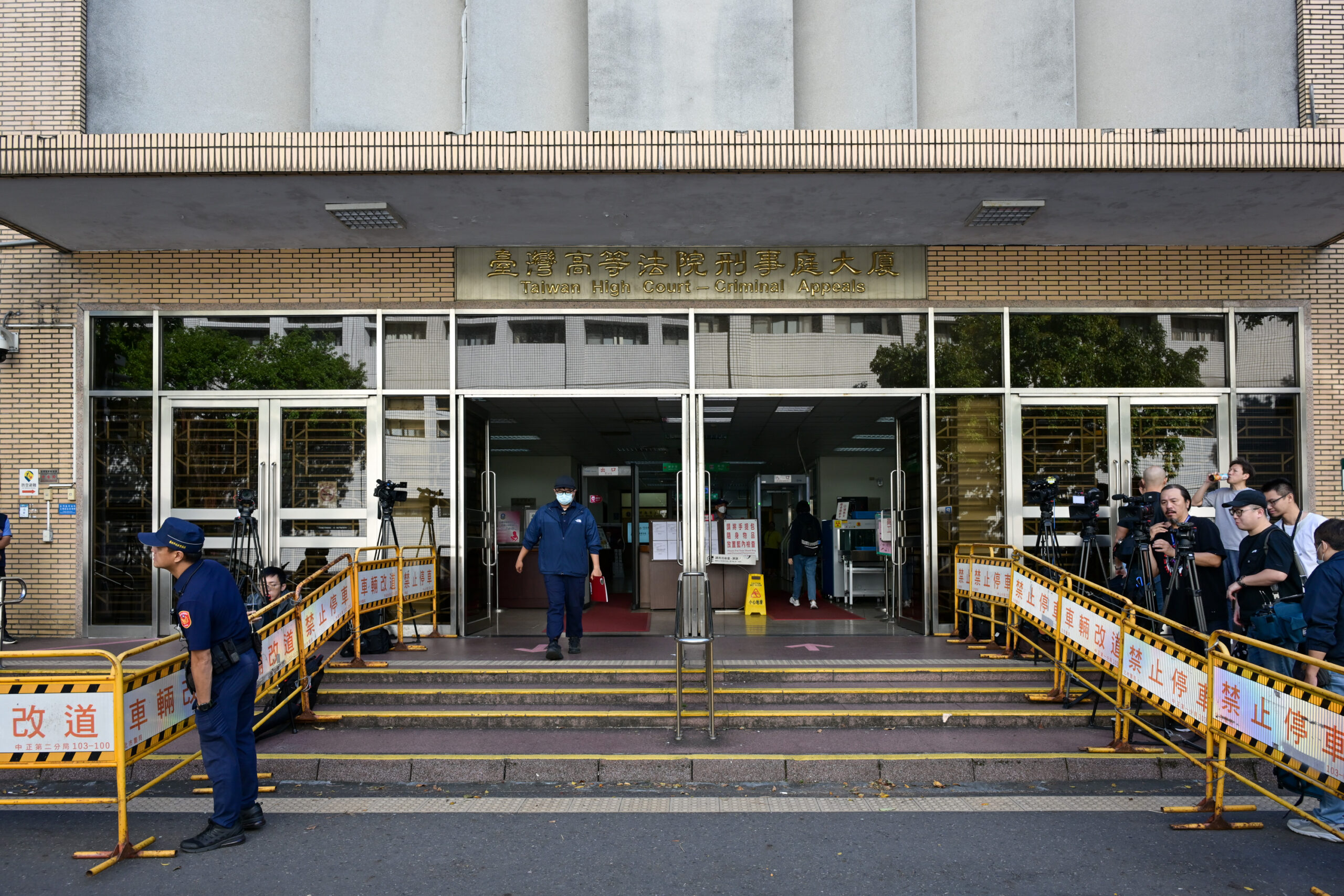
Dissatisfied with this ruling, the prosecution appealed, leading to the Taiwan High Court overturning the original decision and finding both individuals guilty in February of this year.
The High Court concluded that Yao Wei-hua and Chien An-shih, following instructions, commission, and funding from Chinese officials, provided improper benefits in the form of travel accommodations to the 14 voters in exchange for their voting behavior, thereby endangering the free will of the voters and the integrity of the electoral process.
Based on this assessment, the High Court convicted both individuals of offenses under the Presidential and Vice-Presidential Election and Recall Act, and further aggravated their sentences in accordance with the Anti-Infiltration Act. Yao Wei-hua was sentenced to 2 years and 6 months in prison, and Chien An-shih to 4 years and 8 months in prison, with both individuals being deprived of their civil rights. The Supreme Court recently rejected the appeals, thereby upholding the final verdict.