
Belgian prosecutors announced on Saturday (July 25) that a Chinese-Canadian woman who was interning at the NATO military headquarters in Belgium has been arrested on suspicion of engaging in espionage activities.
The Federal Prosecutor’s Office of Belgium stated in a release, “She is suspected of engaging in espionage activities on behalf of a third country and is a member of a criminal organization.”
The statement revealed that the woman was working as an intern at the Supreme Headquarters Allied Powers Europe (SHAPE) in Mons, Belgium. Due to the principles of covert investigation, the statement did not disclose her identity or provide more details about the country or organization she is suspected of collecting intelligence for.
SHAPE serves as the highest military headquarters of NATO and is the base for Allied Command Operations. NATO is a transatlantic security alliance comprised of 32 countries. The command is responsible for planning and executing all military operations for NATO and coordinating responses to various threats.
According to the prosecutor’s statement, the suspect initially attracted the attention of the SHAPE security department, which then reported the case to Belgian intelligence officials. Belgian military intelligence and federal police subsequently initiated an investigation.
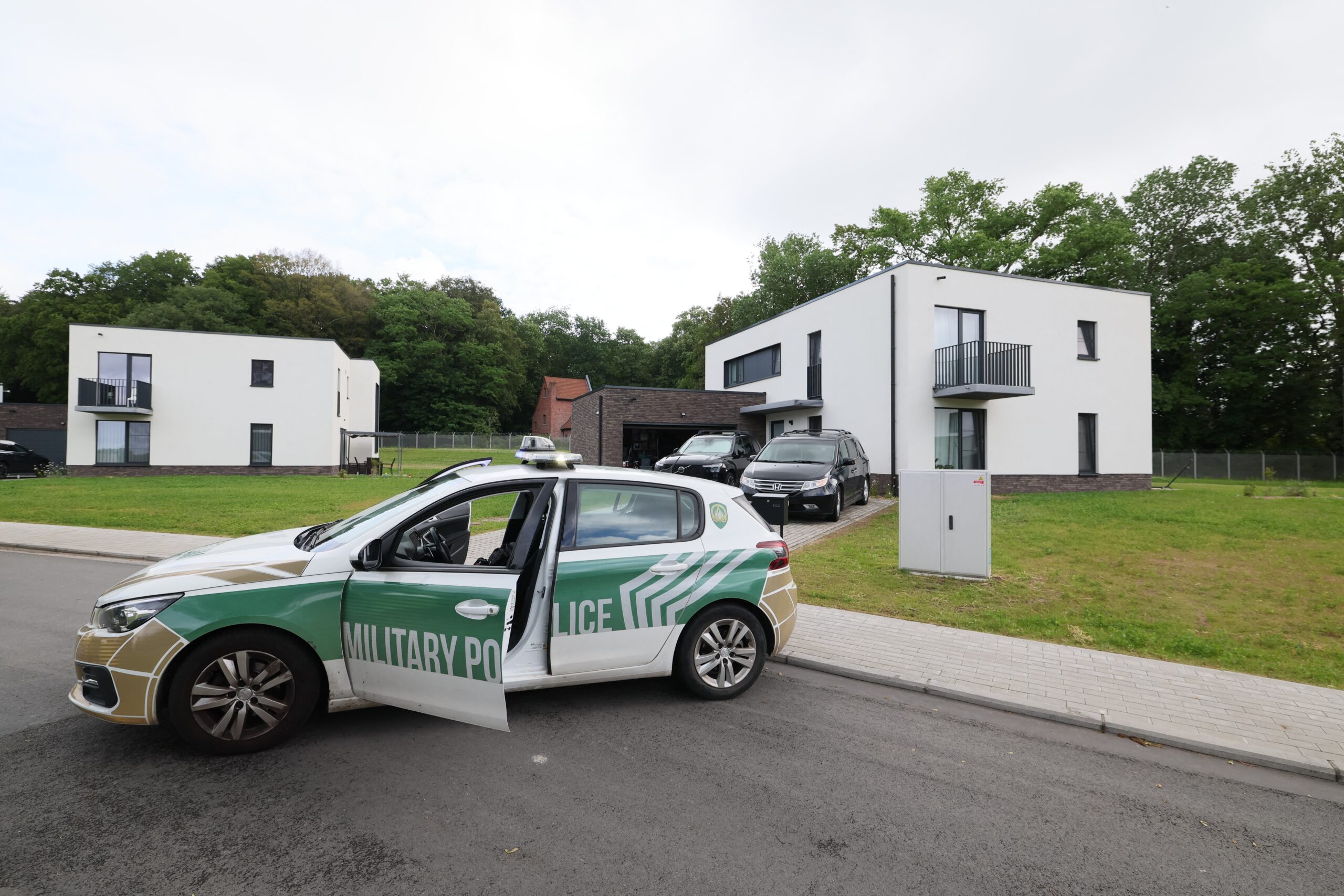
Investigators searched the suspect’s residence and workplace at SHAPE on Thursday (July 23) and formally arrested and detained her the following day (July 24).
A SHAPE spokesperson stated that there are currently no indications that the readiness status, command and control arrangements, or ongoing missions of NATO or SHAPE have been impacted by this incident.
The spokesperson emphasized, “SHAPE will continue to fulfill its duties without any interruptions.”
The Prosecutor’s Office informed Reuters that they will refrain from further comments as the investigation continues.
Belgium not only hosts the administrative headquarters of NATO in the outskirts of Brussels but is also the location of the European Commission and dozens of EU institutions, making it a frequent target of foreign espionage activities in the past.
Last year, a case involving a Chinese state-sponsored cyber attack on Belgian intelligence agencies was exposed, and a Belgian police officer was detained on suspicion of engaging in espionage activities for China and Russia.