
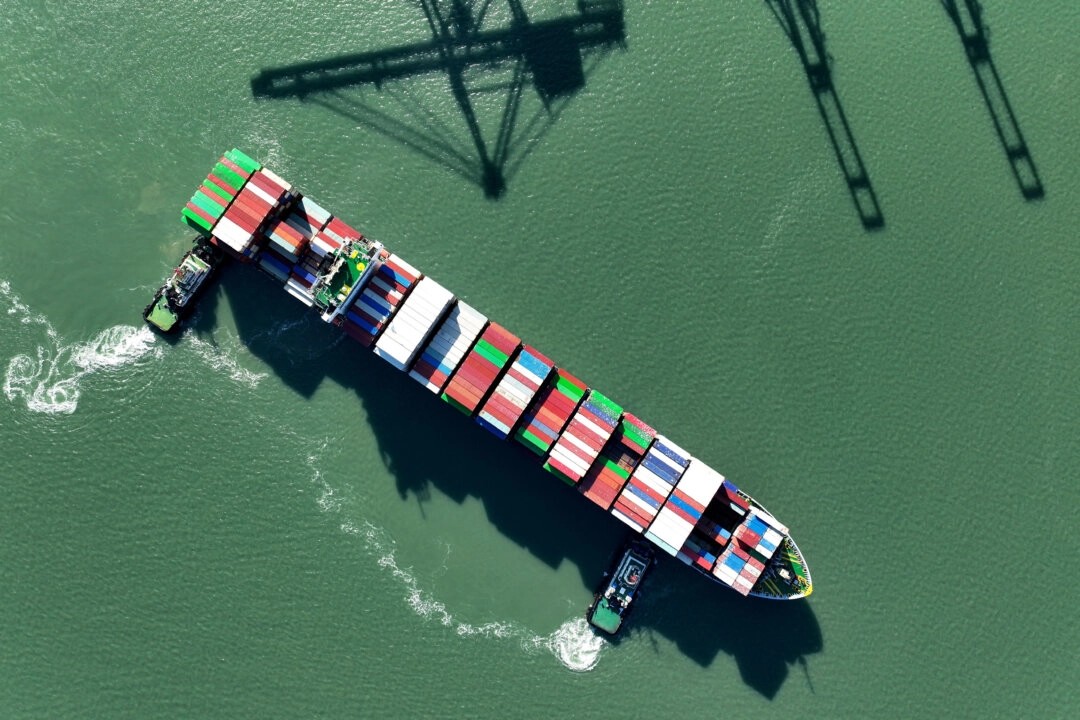
Global marine fuel oil supply is tightening rapidly, with Asia expected to bear the brunt in the third quarter. Singapore, a key hub for marine fuel, has seen prices surge by 76% since the outbreak of the Iran war, putting further pressure on shipping costs.
Reports from Reuters on Monday (September 7) highlighted that refineries in Russia and the Middle East have been impacted by ongoing conflicts, coupled with challenges in vessel passages, leading to a tightening supply of refined oil products. At the same time, refinery operators are prioritizing the production of diesel, gasoline, and aviation fuel to maximize profits, further squeezing the availability of marine fuel oil.
Energy consulting firm Energy Aspects predicts that the marine fuel oil supply gap in the third quarter will reach 218,000 barrels per day, marking the first time a shortage of this magnitude has been forecasted since the third quarter of 2025 when the gap stood at just 6,000 barrels per day.
Rystad analyst Valerie Panopio told Reuters, “Due to the ongoing disruptions in the Middle East supply, we expect the marine fuel oil supply to remain extremely tight in the third quarter.”
Asia relies heavily on fuel oil supply from the Gulf region, making it susceptible to significant impacts.
Kpler data reveals that in Singapore, the world’s largest marine fuel bunkering hub, with a daily demand of nearly 1 million barrels, more than half is dependent on imports. As of September 1, the price of Singapore’s ultra-low sulfur fuel oil has risen to just under $825 per metric ton, approximately $130 per barrel, showing a 76% increase since the Iran war broke out. During the same period, the international benchmark Brent crude saw an increase of about 40%.
Data compiled by Reuters shows that fuel oil inventories in major hubs such as Singapore, the Amsterdam-Rotterdam-Antwerp (ARA) petroleum hub in Northwestern Europe, and Fujairah are currently around 30% lower compared to the average levels of the same period over the past three years.
The tightening supply is likely to further increase costs for ship owners and power generators, while the rising marine fuel prices may drive up shipping freight rates.
Both Russian and Middle Eastern fuel oil exports have significantly declined. According to Kpler data, Russian fuel oil exports in August dropped to 591,000 barrels per day, reaching the lowest level since statistics have been available in 2017, well below the average of over 860,000 barrels per day in 2025.
Middle Eastern fuel oil exports from March to August averaged 447,000 barrels per day, marking a 45% year-on-year decrease. Major fuel oil exporter Al-Zour refinery in Kuwait has also drastically reduced its supply. Kpler data indicates that since March, the refinery has only exported one batch of fuel oil, equivalent to approximately 26,000 barrels per day, as compared to around 191,000 barrels per day in January and February.
Meanwhile, Energy Aspects analyst Royston Huan stated that low gasoline and diesel inventories are pushing refiners to redirect more fuel oil for secondary processing to produce higher margin products, further tightening market supply.
Additionally, the threat posed by Houthi rebels has prompted some vessels to take longer routes to avoid the Mandeb Strait or the Red Sea, increasing fuel demand and adding more pressure on the market.