
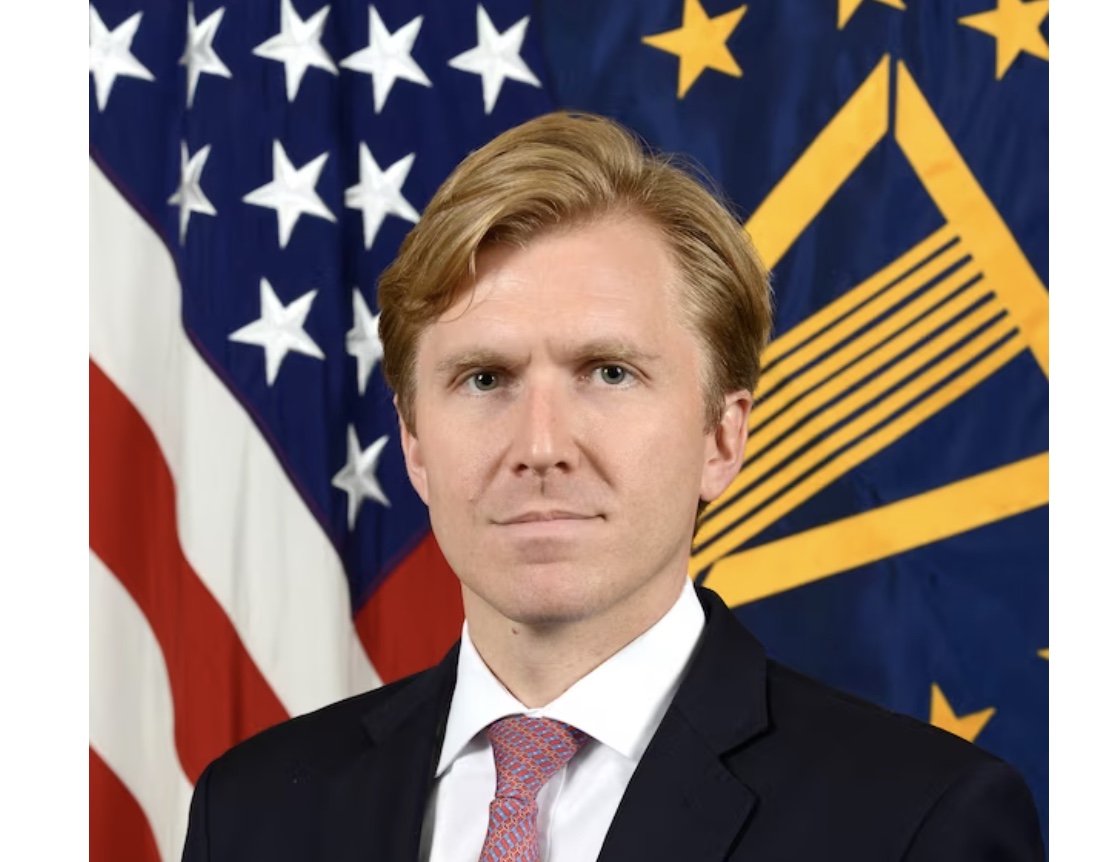
The United States Deputy Secretary of Defense, Elbridge Colby, stated today (10th) that the U.S. hopes regional security partners will increase defense spending, enhance their self-defense capabilities, jointly bear regional security responsibilities, and emphasized that only through tangible military build-up can credible deterrence be established to ensure peace.
Colby made these remarks while attending a forum organized by the think tank Stratbase in Manila. He mentioned that the U.S. is promoting a more practical regional security partner relationship, calling on allies and partners to increase defense investments and take on more responsibility for their own security.
He stressed that what truly has a deterrent effect is not issuing diplomatic statements or setting up working groups, but rather having deployed hard power in place, along with the political will to employ these forces when necessary.
Colby expressed that the U.S. is urging allies and partners to increase their contributions, not as a means of abandoning them, but with the goal of establishing a true partnership based on shared responsibility, mutual interests, and real capabilities. “The stronger the partners, the stronger the deterrent power,” he said.
Speaking about regional multilateral security cooperation, Colby used Vietnam and Malaysia as examples, pointing out that the U.S. is promoting cooperation through “flexible realism,” focusing on common interests rather than ideology. This includes advancing practical maritime domain awareness and providing the hard power tools needed to protect sovereignty rights and resist external intrusions.
He added that cooperation between the U.S. and the Philippines also emphasizes tangible military capabilities. The U.S.-Philippine alliance is undergoing military modernization, including jointly investing in resilient infrastructure, training advanced capabilities, and utilizing the Enhanced Defense Cooperation Agreement (EDCA) bases effectively.
Colby mentioned that the U.S. is strengthening forward deployment and military interoperability with countries willing to shoulder their own responsibilities, establishing dispersed logistics and prepositioned assets in the Western Pacific to maintain combat credibility in critical areas.
He emphasized that the U.S. seeks to achieve peace through tangible means, using militaries with combat capabilities to make aggression impractical, and maintaining a favorable and enduring balance of power in the Indo-Pacific region.
(From Central News Agency)